A small chip on a front tooth can be easy to notice every time you smile, speak, or appear in a photo. So can a gap, uneven edge, or stubborn discolouration that whitening has not improved. When comparing composite bonding versus veneers, the best choice is rarely about choosing the most dramatic result. It is about selecting a treatment that suits your teeth, goals, timeline, budget, and comfort with future maintenance.
Both treatments can improve the appearance of front teeth with natural-looking results. They work differently, however, and each comes with trade-offs worth discussing before treatment begins.
Composite bonding versus veneers at a glance
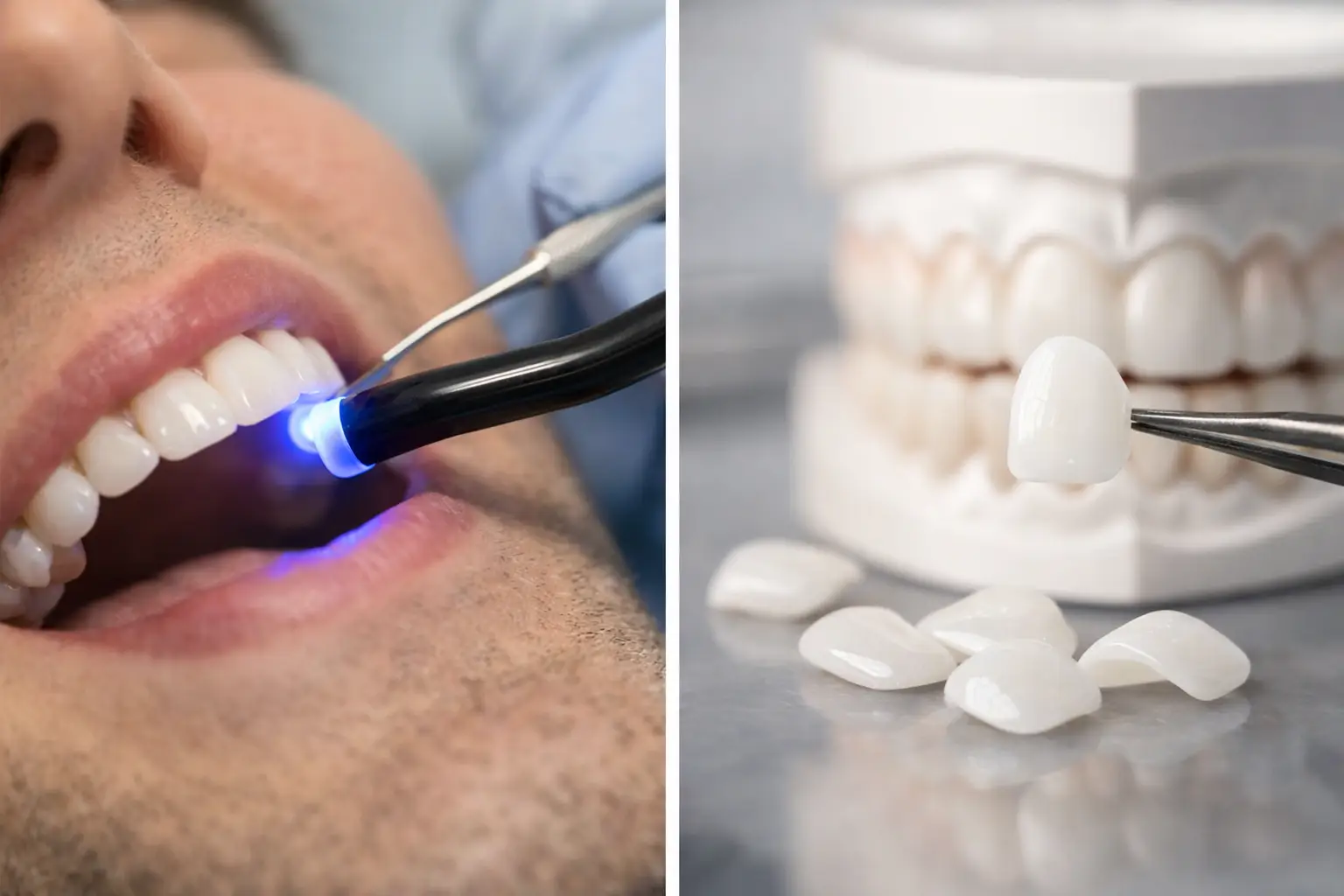
Composite bonding uses tooth-coloured resin, the same type of material often used for natural-looking fillings. Your dentist applies and shapes the resin directly onto the tooth, then hardens and polishes it. It can repair a chipped corner, build up a worn edge, close a small gap, or improve the appearance of minor unevenness.
Veneers are thin custom shells that cover the front surface of a tooth. They are commonly made from porcelain, although composite veneer options are also available. Porcelain veneers are created to fit your teeth and are bonded in place after your dentist prepares the tooth surface.
For a small, focused concern, bonding may provide exactly the improvement you want with less treatment. For a broader smile change involving colour, shape, and several visible teeth, veneers may offer more consistency and longer-term stain resistance.
When composite bonding may be the right choice
Composite bonding is often appealing because it is conservative. In many cases, little or no natural tooth structure needs to be removed. This can make it a sensible option for patients who want a subtle enhancement or who would prefer to preserve as much of their natural enamel as possible.
It is particularly useful for minor chips, small gaps, slightly uneven tooth edges, and localized areas of wear. Bonding can also be a practical option when one tooth needs attention rather than an entire smile makeover. Because the material is applied directly to the tooth, treatment can often be completed in one appointment, depending on the number of teeth involved and the complexity of the work.
Another benefit is repairability. If bonded resin chips or wears over time, it can often be polished, added to, or repaired without replacing the entire restoration. This matters for patients who play contact sports, have young children at home, or simply want a treatment that is easier to adjust later.
The compromise is that composite resin is generally less stain-resistant and less durable than porcelain. Coffee, tea, red wine, tobacco, and deeply coloured foods may gradually affect its appearance. Resin can also pick up surface wear, particularly for people who clench or grind their teeth. Regular hygiene visits and good home care help keep it looking its best.
When veneers may make more sense
Veneers are usually considered when a patient wants a more significant and highly polished cosmetic change. Porcelain reflects light in a way that can look very similar to natural enamel, and it tends to maintain its colour well over time. This makes veneers a strong option for teeth with more noticeable discolouration, several shape differences, or a smile that needs a more uniform appearance.
A veneer can make a tooth look longer, wider, straighter, or more balanced. When planned across multiple front teeth, veneers can create a coordinated result that is difficult to achieve with small individual repairs alone.
Porcelain veneers also tend to resist staining better than composite bonding. For someone who enjoys coffee each morning or wants a brighter smile that is less likely to change colour, that can be a meaningful advantage.
The important consideration is that veneers are a longer-term commitment. Traditional porcelain veneers usually require some enamel preparation so the final tooth does not look bulky. Enamel does not grow back, which means a prepared tooth will generally need a veneer or another restoration in the future. Veneers are durable, but they are not permanent. They may eventually need replacement due to normal wear, damage, gum changes, or the age of the restoration.
Appearance, durability, and maintenance
The visual result of either treatment depends heavily on planning and technique. A natural smile is not one flat shade of white, and it is not perfectly identical from tooth to tooth. The goal should be teeth that look healthy, balanced, and appropriate for your features, rather than a result that feels overly uniform.
Composite bonding can look excellent, especially for smaller changes. It may need occasional polishing because resin can lose some surface shine with time. If you choose bonding for multiple front teeth, your dentist will also consider whether the material can deliver enough colour consistency and strength for your goals.
Porcelain veneers generally hold their polish and shade longer. They are strong, but they can still chip or crack if exposed to excessive force. Biting ice, opening packages with your teeth, and chewing hard objects can damage both veneers and bonding. If you grind your teeth at night, a custom night guard may help protect your dental work and natural teeth.
Neither option replaces daily brushing, flossing, and routine examinations. The edges where a restoration meets the tooth still require careful cleaning. Healthy gums are also essential, since gum inflammation can affect both your comfort and the appearance of your smile.
What about tooth health before cosmetic treatment?
Cosmetic treatment works best when it starts with a healthy foundation. Cavities, gum disease, active infection, and significant bite concerns should be addressed first. Covering a tooth with bonding or a veneer does not solve underlying decay or discomfort.
Your dentist may also recommend orthodontic treatment before cosmetic work if tooth position is the main concern. For example, Invisalign clear aligners may be a more tooth-conserving way to correct crowding or spacing than making major changes to tooth shape. Once the teeth are better positioned, small amounts of bonding may be all that is needed to refine the result.
Whitening is another planning point. If you are considering whitening natural teeth, it is often best to do so before choosing the final shade for bonding or veneers. Restorative materials do not whiten in the same way natural enamel does, so planning the sequence can help avoid a mismatch later.
Cost and insurance considerations in Ontario
Cost varies based on the number of teeth, the material selected, how much preparation is required, and whether other treatment is needed first. Composite bonding is usually less expensive at the outset than porcelain veneers, especially when improving one or two teeth. Veneers typically involve more planning, custom laboratory work, and a higher initial investment.
It is also helpful to think beyond the first appointment. Bonding may need more frequent polishing, touch-ups, or repairs. Veneers may last longer with proper care but can cost more to replace if one is damaged or reaches the end of its service life.
Because bonding and veneers are often elective cosmetic treatments, they may not be covered by dental insurance or the Canadian Dental Care Plan. Coverage can differ where bonding is needed to repair a chipped or damaged tooth, rather than primarily to improve appearance. A dental team can review your treatment plan and help clarify expected coverage and out-of-pocket costs before you proceed.
Questions to ask before choosing
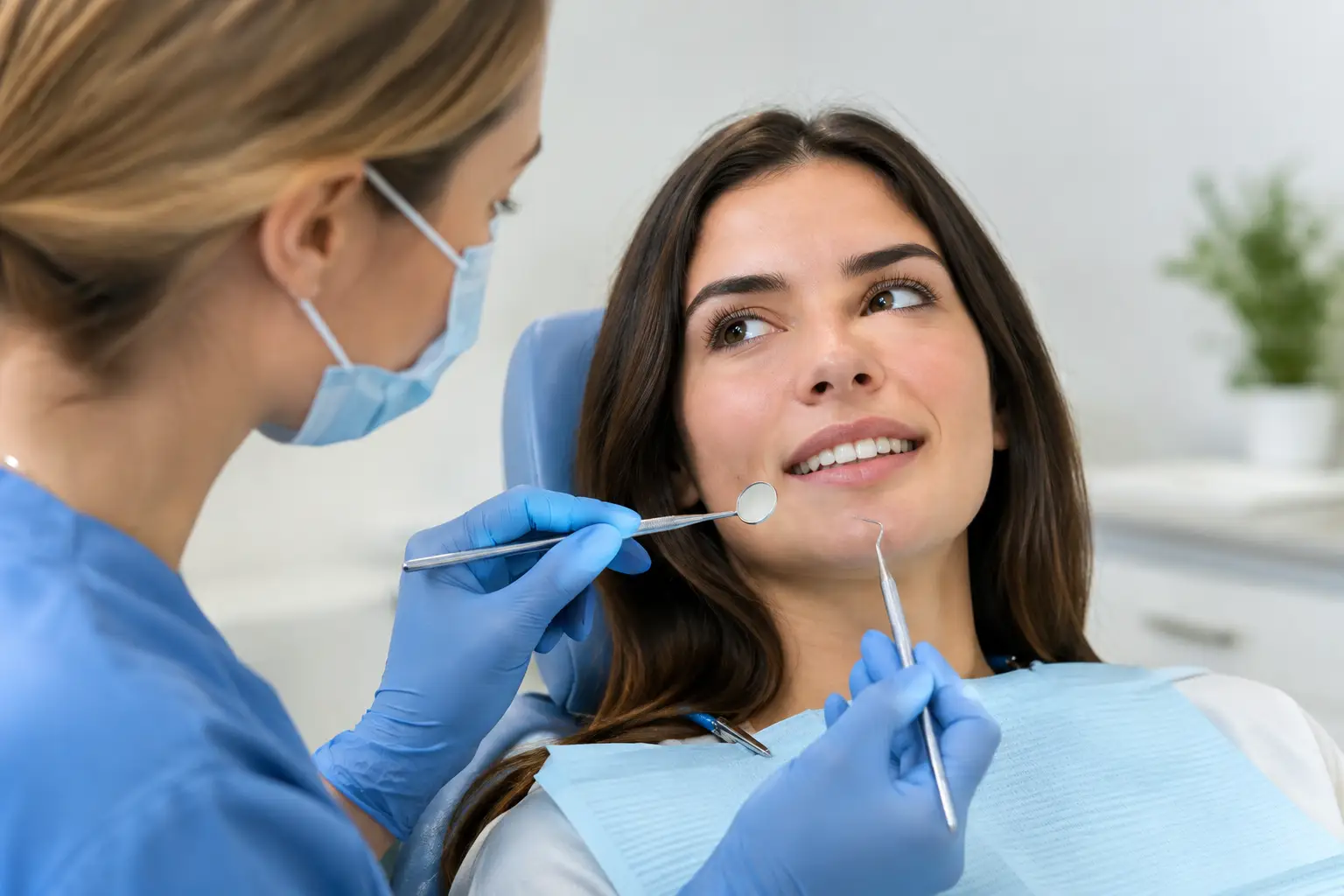
A good consultation should leave you with more than a quick answer about which option looks better. Ask what is causing the concern in the first place, whether your bite or grinding habits affect the decision, and how much natural tooth structure each option requires. You can also ask how the treatment may look over time, what maintenance is likely, and what happens if the restoration chips or needs replacement.
Photos, shade discussions, and a close examination can help your dentist recommend an option based on your own smile rather than a one-size-fits-all result. At Prime Smile Dental Clinic, the conversation can also include your routine dental needs, family schedule, and practical treatment timeline so cosmetic care feels organized and manageable.
The right choice may be a small bonding repair today, veneers for a more comprehensive change, or a different treatment altogether. A thoughtful assessment gives you the confidence to improve your smile while protecting the healthy teeth behind it.