A crooked tooth that shows in every video call, a bite that feels uneven when you chew, or crowding that makes brushing difficult can be more than a cosmetic concern. When comparing Invisalign versus braces, adults often want a treatment that improves their smile without disrupting work, family plans, or everyday comfort.
Both options can straighten teeth effectively. The better choice depends less on which treatment is “best” overall and more on your bite, the amount of tooth movement needed, your oral health, and how consistently you can follow the treatment plan.
Invisalign versus braces for adults: the main difference
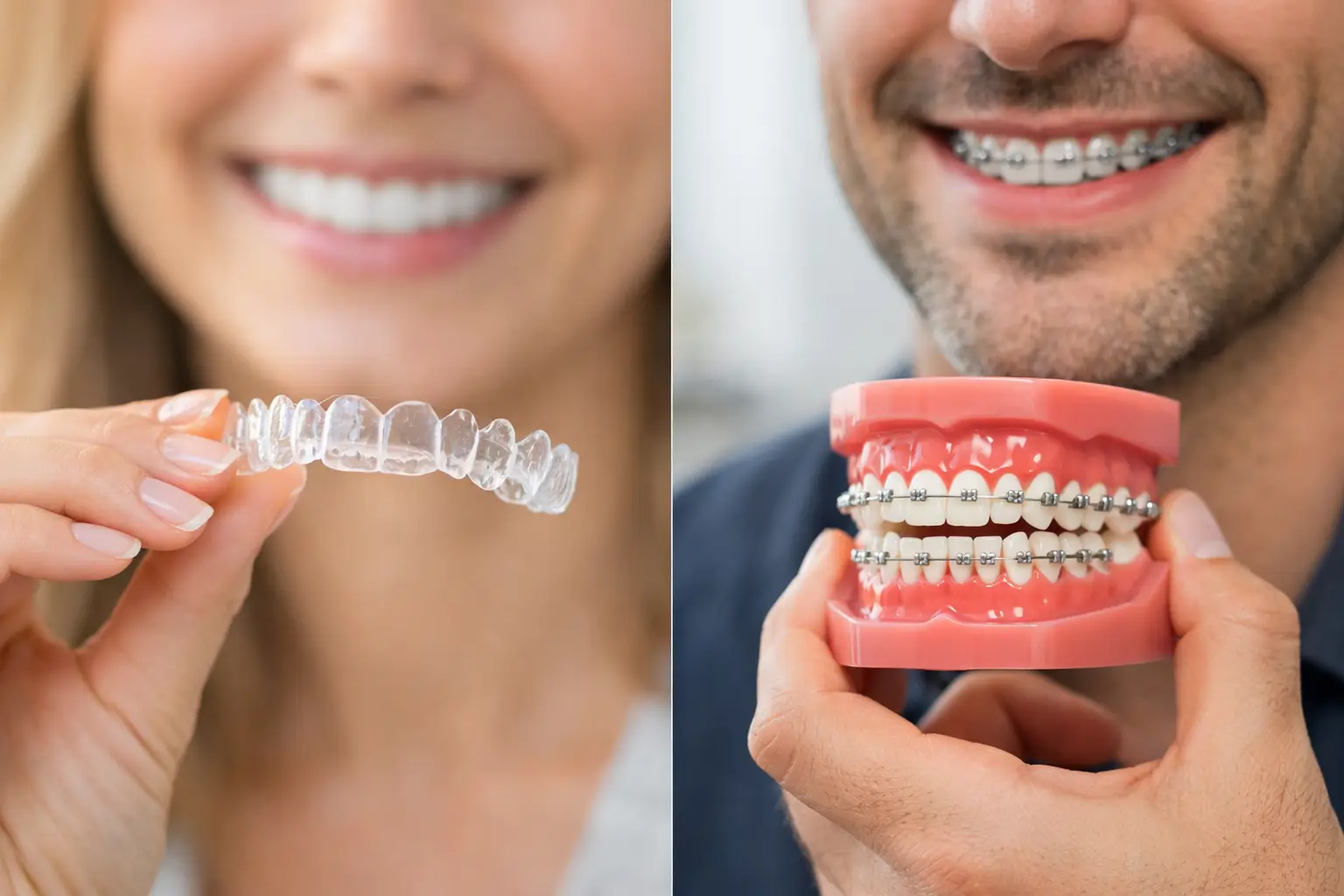
Invisalign treatment uses a series of clear, custom-made removable aligners. Each set is worn for most of the day and gradually guides teeth into new positions. Braces use brackets attached to the teeth and a wire adjusted over time to apply steady pressure.
For many adults, the visible difference is the first consideration. Clear aligners are much less noticeable than traditional metal braces, although they may still be visible up close and often include small tooth-coloured attachments that help direct movement. Braces are more noticeable, but they do not rely on remembering to put them back in after meals or cleaning.
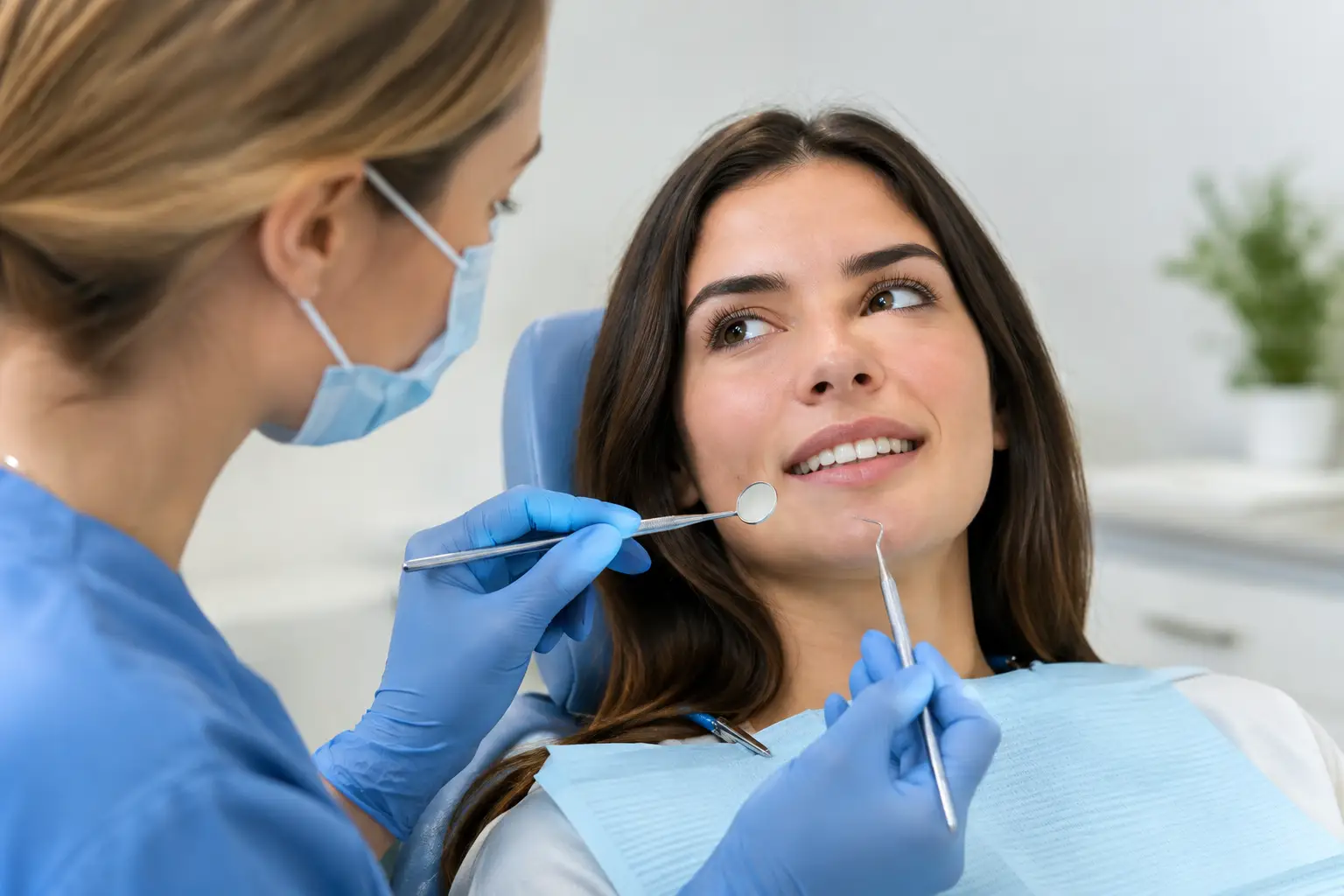
Neither treatment is simply a cosmetic shortcut. Before orthodontic care begins, a dentist needs to assess the teeth, gums, jaw relationship, existing dental work, and any signs of decay or gum disease. Straightening teeth is most successful when the foundation is healthy.
When clear aligners may be a good fit
Clear aligners can be an appealing choice for adults with mild to moderate crowding, spacing, or certain bite concerns. They are removable, which makes meals and daily brushing feel more familiar. You take the aligners out to eat, drink anything other than water, floss, and brush.
That flexibility is especially helpful for people who attend business meetings, work with clients, play wind instruments, or simply prefer a more discreet orthodontic option. There are no brackets or wires to catch food, and oral hygiene is usually easier because you can clean all tooth surfaces normally.
The trade-off is commitment. Aligners generally need to be worn about 20 to 22 hours each day. Taking them out for long lunches, frequent snacking, or evenings at home can slow progress and affect the final result. Adults who know they are likely to misplace trays or struggle with a consistent routine may find fixed braces less stressful.
Clear aligners also need regular care. Rinse them after removal, clean them gently as directed, and store them in their case rather than wrapping them in a napkin. Hot water can warp the plastic, and coloured drinks can stain aligners if they are worn while drinking.
Comfort with Invisalign
New aligners can create pressure or tenderness for a few days, particularly when you move to the next set. This is usually a sign that the teeth are being guided into position. The edges of aligners are generally smooth, though a dentist can address an area that rubs or feels sharp.
Because aligners are removed for eating, there is less concern about biting directly into foods such as apples, crusty bread, or corn on the cob. The more important question is whether you will put them back in promptly afterward.
When braces may be the stronger option
Braces can manage a wide range of orthodontic concerns, including more complex tooth rotations, significant crowding, certain bite corrections, and movements that require detailed control. Modern orthodontic planning can include clear aligners for many complex cases too, but some adult smiles are more predictably treated with braces or with braces as part of a broader plan.
Because braces remain on the teeth, they work around the clock without daily wear-time decisions. This can be a real advantage for adults with busy schedules, frequent meals on the go, or difficulty maintaining routines. If treatment needs precise movement of several teeth, fixed braces may offer the control your case requires.
Braces do require changes to food choices. Hard, sticky, and very chewy foods can loosen brackets or bend wires, leading to extra repair visits. Brushing needs more attention as well. A toothbrush, interdental brush, floss threader, or water flosser can help clean around brackets and under wires.
Comfort with braces
Braces can cause pressure after placement and adjustments. Brackets may also irritate the cheeks or lips until your mouth adapts. Orthodontic wax can protect a rubbing area, and the dental team can help if a wire or bracket becomes uncomfortable.
For some adults, the convenience of not removing trays outweighs these adjustments. Braces are visible, but they are also dependable: once they are on, treatment continues whether you are in a meeting, travelling, or managing a full household schedule.
Treatment time is personal, not a promise
Adults often ask which option is faster. The honest answer is that treatment time depends on the movements required and how closely the treatment plan is followed. Many cases take roughly 12 to 24 months, while simpler concerns may take less time and complex bite corrections may take longer.
With aligners, wear time is a major factor. If trays are not worn as prescribed, teeth may not track with the planned movements, and refinements may be needed. Refinements are additional aligners used to fine-tune the result and are common in orthodontic treatment.
With braces, missed adjustment appointments and broken brackets can add time. In either case, attending scheduled check-ins helps the dentist monitor tooth movement, gum health, and the fit of the treatment.
Consider your day-to-day habits honestly
The most useful decision often comes from looking at your routine rather than focusing only on appearance. A person who drinks coffee throughout the morning, snacks frequently, and tends to lose small items may prefer braces. Someone who is highly consistent, wants to remove their appliance for meals, and feels self-conscious about visible brackets may be an excellent aligner candidate.
Think about social and professional situations too. Aligners can be removed briefly for a presentation, photograph, or special occasion, but they should not become something you regularly leave out. Braces cannot be removed, yet many adults become comfortable with their appearance quickly and value the lower daily responsibility.
Existing dental work also matters. Crowns, bridges, implants, missing teeth, and previous orthodontic treatment can all affect planning. A complete assessment allows the dentist to explain what can be moved, what may need restoration first, and whether clear aligners or braces will offer the safest path.
Cost, insurance, and planning for treatment
The cost of Invisalign and braces varies based on case complexity, the estimated treatment time, the number of appointments, and whether additional procedures are needed. A simple alignment concern will not be priced the same way as a treatment plan that corrects a significant bite issue.
Insurance coverage for adult orthodontics differs widely between plans, and many plans have lifetime maximums or specific limits. Public dental benefits may also have eligibility rules and coverage restrictions for orthodontic care. Before starting treatment, ask for a clear explanation of fees, expected payment timing, available insurance support, and what is included in your plan, such as retainers or refinements.
At Prime Smile Dental Clinic, the goal is to make treatment decisions feel organized rather than overwhelming. An orthodontic consultation can clarify the clinical recommendation while giving you time to consider scheduling, insurance questions, and the practical fit for your lifestyle.
Retainers protect the result either way
Whether you choose Invisalign or braces, active treatment is only one stage of creating a straighter smile. Teeth naturally have a tendency to shift over time, especially after orthodontic movement. Retainers hold them in their new positions while the surrounding tissues adapt.
Some patients wear retainers full time at first and then transition to nighttime wear, based on their dentist’s instructions. Skipping retainers can allow crowding or spacing to return, sometimes undoing much of the progress achieved during treatment. This final step deserves the same consistency as the treatment itself.
A consultation is the right place to move beyond before-and-after photos and get an answer based on your own teeth, bite, and routine. The choice should feel manageable for the life you actually lead, not the one you imagine you will have for the next several months.