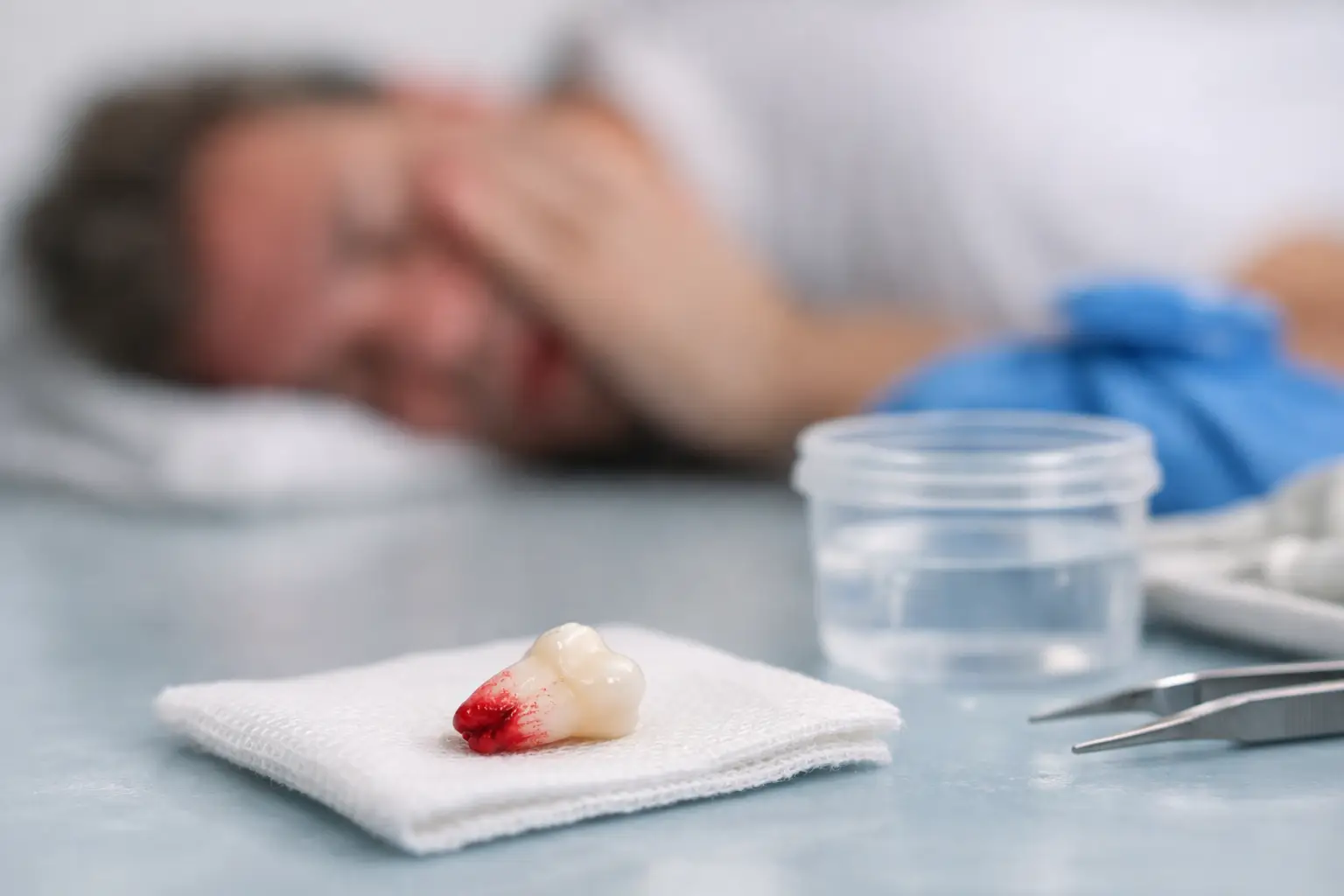
A tooth knocked out during a hockey game, bike fall, playground accident, or unexpected slip can be frightening. Knowing how to handle a knocked tooth in the first few minutes may improve the chance of saving it. The priority is simple: stay calm, protect the tooth properly, and arrange emergency dental care right away.
A permanent tooth that has come out completely is called an avulsed tooth. This is a time-sensitive dental emergency. The best outcome is often possible when the tooth is returned to its socket quickly and handled with care.
How to handle a knocked tooth right away
First, find the tooth if it is safe to do so. Pick it up by the crown, which is the chewing surface you can normally see in the mouth. Do not touch, scrub, or scrape the root. The root is covered by delicate cells that can help the tooth reattach after treatment.
If the tooth is dirty, gently rinse it for a few seconds with milk or clean running water. Do not use soap, disinfectant, alcohol, or a toothbrush. Do not wrap the tooth in tissue, as it can dry out or become damaged.
If the person is alert and able to cooperate, try to place the tooth gently back into the socket. Have them bite softly on clean gauze or a clean cloth to hold it in position. The tooth should not be forced into place. If it will not seat easily, or if there is concern that the person may swallow it, keep it moist instead and head to an emergency dentist.
The fastest possible assessment matters. Call a dental clinic that provides emergency care and explain that a permanent tooth has been knocked out. If there is heavy bleeding that will not stop, loss of consciousness, vomiting, confusion, or a possible jaw injury, seek urgent medical care first.
Keep the tooth moist if it cannot go back in
A knocked-out tooth should never be allowed to dry out. Ideally, it should be stored in milk while you travel to the dental clinic. Milk is readily available and helps protect the cells on the root better than plain water.
If milk is not available, the person can hold the tooth between their cheek and gum if they are old enough to do so safely and will not swallow it. For young children, anyone who is very upset, or anyone at risk of swallowing the tooth, place it in a clean container with milk instead.
Saline solution may also be used if available. Plain water is a last resort, but it is still better than letting the tooth dry out. Do not store the tooth dry, in ice, or in a glass of water for an extended period.
Try to arrive for care within 30 minutes when possible. A dentist may still be able to help after that window, so do not assume the tooth cannot be saved if more time has passed. The condition of the tooth, the time out of the mouth, the storage method, and the nature of the injury all affect the treatment plan.
Do not put a baby tooth back in
The steps change when a child loses a primary, or baby, tooth. Do not reinsert a knocked-out baby tooth. Placing it back into the socket could harm the developing adult tooth underneath.
Instead, control bleeding by having the child bite gently on clean gauze or a damp cloth. Apply a cold compress to the outside of the face for swelling and comfort, then arrange a prompt dental assessment. Even when the tooth cannot be replanted, a dentist should check for soft-tissue injuries, fragments left in the gum, and effects on the developing permanent teeth.
It can be difficult to tell whether a child has lost a baby tooth or a permanent tooth, especially around the ages when teeth are changing. If you are uncertain, keep the tooth moist and call for guidance. Bringing the tooth with you can help the dental team identify it.
What to expect at an emergency dental visit
At the appointment, the dentist will examine the mouth, gums, and surrounding teeth. Dental X-rays may be needed to check the socket, roots, jawbone, and possible fractures. A knocked-out tooth is often not the only injury. Nearby teeth can be loosened, chipped, or pushed out of position without being immediately obvious.
If a permanent tooth has been replanted or can still be replanted, the dentist may stabilize it with a small flexible splint attached to neighbouring teeth. This usually stays in place for a limited period while the tissues heal. You may also need a tetanus review, depending on the injury and your vaccination history.
Follow-up appointments are part of protecting the tooth. The nerve inside an adult tooth may not recover after a complete knock-out, so root canal treatment is sometimes recommended after the immediate emergency has been managed. Your dentist will explain what is needed, when it should happen, and what signs to watch for at home.
Not every knocked-out tooth can be saved, particularly when it has been dry for a long time, badly damaged, or affected by a severe facial injury. That can be disappointing, but there are reliable ways to restore the appearance and function of the smile once the mouth has healed. The immediate focus is always on caring for the injury and preserving as many options as possible.
Managing pain, bleeding, and swelling at home
Until you are seen, use gentle pressure with clean gauze to manage minor bleeding. A cold pack wrapped in a cloth can be held against the cheek in short intervals to help limit swelling. Avoid pressing hard on the injured area.
Choose soft foods and avoid chewing with the injured teeth. Do not use a straw, spit forcefully, or poke the area with your fingers. For pain relief, follow the directions on an appropriate over-the-counter medication, unless a physician or pharmacist has advised against it. Aspirin should not be placed directly on the gums or tooth, as it can irritate the tissue.
If the lip, cheek, or tongue has been cut, a dentist can assess whether the wound needs additional care. Small tooth fragments can become embedded in soft tissue, so mention any cuts or persistent tenderness during your visit.
When a tooth is loose, chipped, or pushed inward
A dental injury does not need to involve a completely knocked-out tooth to require prompt care. A loose permanent tooth, a tooth pushed deeper into the gum, or a tooth that suddenly sits higher or lower than the others should be assessed as soon as possible. Do not try to straighten or pull it yourself.
For a chipped or broken tooth, save any pieces you can find and store them in milk or saline. Cover a sharp edge with dental wax if available, or avoid letting it rub against the tongue or cheek. Sensitivity, pain on biting, or a darkening tooth in the days after an injury can indicate damage inside the tooth, even when the chip appears small.
Help prevent the next dental injury
Sports mouthguards are one of the most practical ways to reduce the risk of dental trauma. They are particularly valuable for hockey, football, lacrosse, basketball, martial arts, skateboarding, and cycling. A custom-fitted mouthguard from a dental clinic generally offers better comfort and retention than a loose-fitting store-bought option, which makes it more likely to be worn consistently.
For families, keeping an emergency contact number easy to find and knowing where to access urgent dental care can make a stressful moment more manageable. Prime Smile Dental Clinic provides emergency dental appointments for Aurora-area patients, with a patient-first approach designed to get you clear guidance and timely care.
A knocked tooth is never convenient, but your response in the first minutes can make a meaningful difference. Handle the tooth by the crown, keep it moist, never reinsert a baby tooth, and seek emergency dental help without delay.