A cold sip of water suddenly stings, or your teeth look a little more yellow and translucent than they used to. It is natural to ask, can enamel regrow after it has worn down? The answer is reassuring in one sense and clear in another: your body cannot grow back lost tooth enamel, but early enamel damage can often be strengthened and protected before it turns into a larger problem.
That distinction matters. Enamel is the hard outer covering of each tooth, and it is your first defence against decay, temperature changes, and everyday chewing. Looking after it early can help you avoid sensitivity, cavities, and more involved restorative treatment later.
Can Enamel Regrow Once It Is Gone?
No. Fully formed enamel does not regrow because it is not living tissue. Unlike skin or bone, enamel has no cells that can rebuild it after it has been lost through decay, acid erosion, grinding, or an injury.
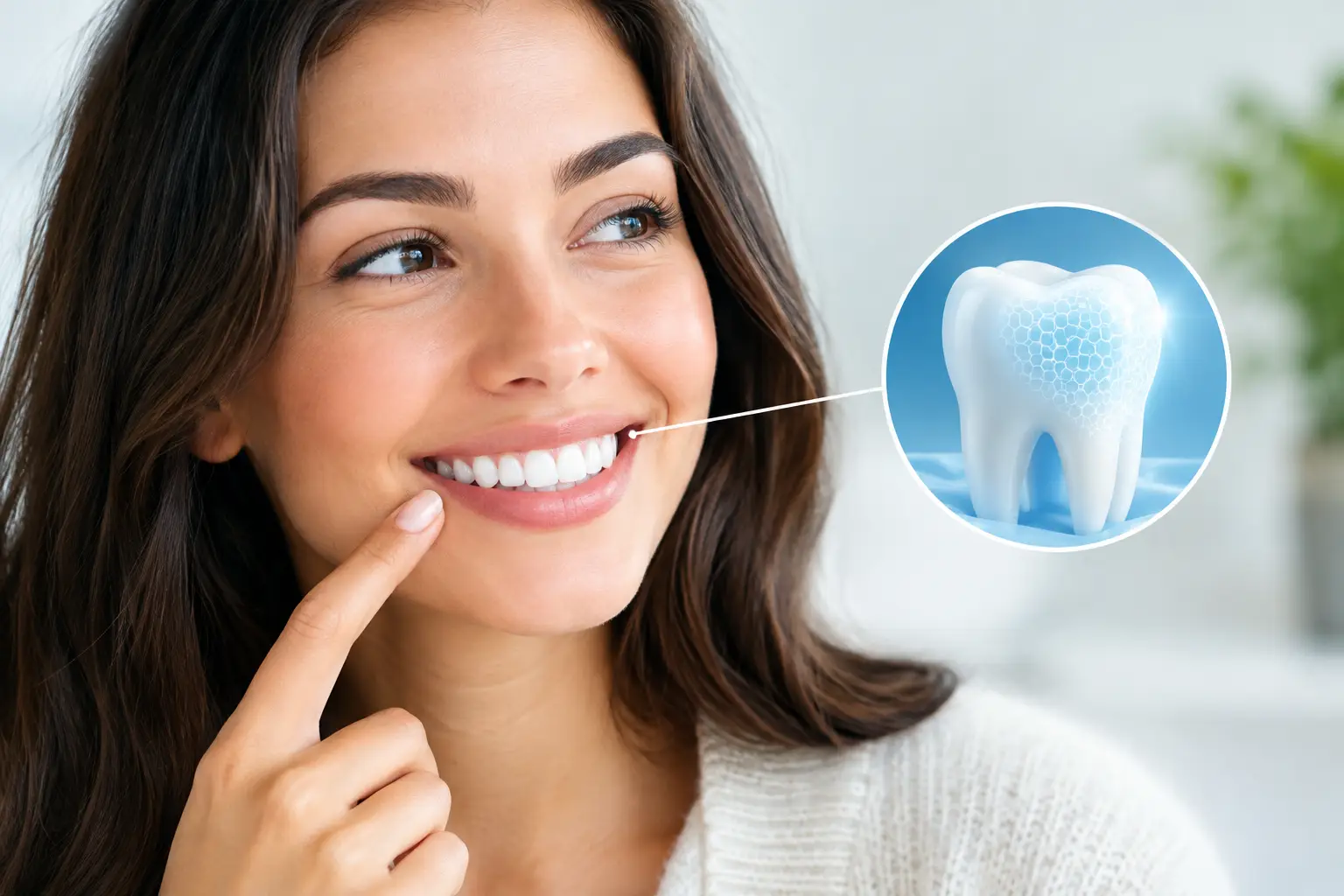
However, enamel can go through an early stage of mineral loss called demineralization. At this point, the surface may be weakened, but it has not yet broken down into a cavity. Minerals in saliva, fluoride toothpaste, and professional dental products can help replace some of those lost minerals. This process is called remineralization.
Remineralization does not create brand-new enamel or replace a layer that has already worn away. Instead, it can make remaining enamel harder and more resistant to acid. Think of it as reinforcing a surface that is still there, rather than rebuilding one that has disappeared.
Why Enamel Wears Down
Every mouth is different, and enamel loss is not always caused by poor brushing. Acid is often a major factor. Frequent soft drinks, sports drinks, citrus, sour candies, wine, and even sparkling water can expose teeth to acids that soften the enamel surface. Acid reflux and frequent vomiting can also affect teeth, sometimes without a person realizing the cause.
Tooth grinding or clenching is another common concern. It can gradually flatten biting surfaces, create tiny cracks, and make teeth more sensitive. Some people grind at night and only learn about it during a routine examination.
Brushing technique matters too. Brushing with a hard-bristled brush, using too much pressure, or brushing immediately after an acidic meal or drink can contribute to wear. Enamel is temporarily softer after acid exposure, so it is generally better to rinse with water and wait about 30 minutes before brushing.
Dry mouth can increase the risk as well. Saliva helps wash away food particles and neutralize acids. Certain medications, dehydration, mouth breathing, and medical conditions may reduce saliva flow, leaving teeth with less natural protection.
Signs You May Need an Enamel Check
Enamel changes can be subtle at first. You may notice increased sensitivity to cold, hot, sweet, or acidic foods. Teeth may appear more yellow as the naturally darker layer beneath enamel, called dentin, becomes more visible. Edges can look translucent, rough, chipped, or slightly uneven.
These signs do not always mean severe enamel loss. Sensitivity can also be related to gum recession, a cracked tooth, decay, or a loose filling. That is why an examination is useful. A dentist can identify what is happening and recommend care based on the cause, not just the symptom.
White, chalky-looking spots can also be an early warning sign of mineral loss. In children and teens, these spots may appear around areas where plaque collects. In adults, they can develop near the gumline or around orthodontic attachments. Early attention can make a meaningful difference.
How to Help Strengthen and Protect Enamel
Daily habits can support remineralization and reduce further wear. Use a soft-bristled toothbrush and fluoride toothpaste twice daily, brushing gently along the gumline and all tooth surfaces. Spit out excess toothpaste after brushing rather than rinsing immediately with lots of water, so fluoride has more time to work on the teeth.
Try to limit how often sugary or acidic drinks and snacks are consumed throughout the day. It is usually the frequency of acid exposure, not only the amount, that creates trouble. Having a drink with a meal instead of slowly sipping it for hours is often easier on enamel. Water is a good choice between meals, and chewing sugar-free gum can help stimulate saliva for some people.
If you have reflux symptoms, persistent dry mouth, or frequent nausea, mention this during your dental visit and speak with your physician as appropriate. Protecting your teeth may require managing the underlying cause as well as changing oral care habits.
For patients who grind or clench, a custom night guard may be recommended. It will not replace enamel already lost, but it can help protect teeth from additional pressure and wear while you sleep. Store-bought guards may seem convenient, but they do not always fit comfortably or evenly, which can be a concern for some patients.
What a Dentist Can Do for Worn Enamel
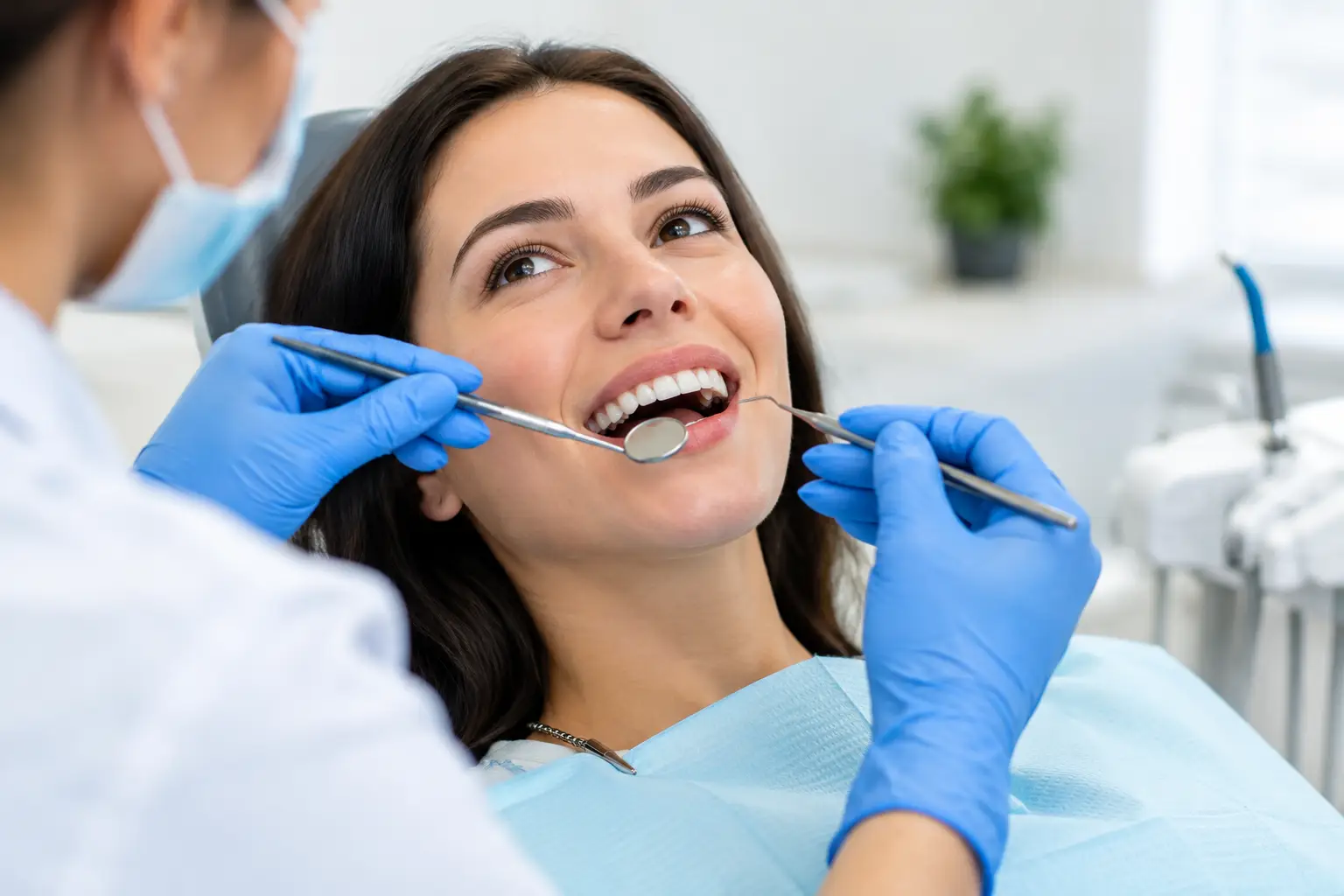
The right treatment depends on how much enamel has been affected and why. If the issue is early mineral loss, a dentist may recommend fluoride treatments, prescription-strength fluoride products, or changes to your home-care routine. Regular hygiene visits also remove plaque buildup that can keep acids in contact with teeth.
When enamel loss has created cavities, worn edges, or sensitivity that does not settle, restorative treatment may be the practical solution. Tooth-coloured fillings can repair small areas of damage. Dental bonding may improve chipped or worn edges. For more extensive wear, a crown, veneer, or other restoration may be discussed to protect the tooth and restore its shape.
These options are not interchangeable. A small area of decay may only need a filling, while a heavily worn tooth may need more coverage to withstand biting forces. Your dentist will consider the tooth’s condition, your bite, your oral health, and your goals before recommending treatment.
At Prime Smile Dental Clinic, patients can receive preventive care, restorative treatment, and guidance on concerns such as sensitivity or enamel wear in one local practice. Direct insurance billing and support for eligible CDCP patients can also help make recommended care feel more manageable.
Can Enamel Regrow in Children?
The same basic rule applies to children: enamel does not regrow once it is lost. Children’s teeth still benefit from fluoride, good brushing, balanced eating habits, and regular dental visits. Because children may be learning to brush independently, parents can help by supervising brushing and using the amount of fluoride toothpaste recommended for the child’s age.
Early visits are especially helpful when a child has white spots, sensitivity, visible wear, or a history of frequent snacking and sweet drinks. Treating a small concern early is usually simpler and more comfortable than waiting for pain or a cavity to develop.
When to Book an Appointment
Book a dental appointment if you have persistent sensitivity, visible chips or thinning, rough tooth edges, a new dark spot, or pain when biting. If a tooth breaks, becomes very painful, or is knocked loose, seek prompt dental care. These situations may need more than enamel protection alone.
You do not have to wait for a dental emergency to address enamel wear. A routine examination can identify early changes, check for grinding or acid erosion, and give you a realistic plan for protecting the healthy enamel you still have. Small, consistent steps now can help your teeth stay comfortable and strong for years to come.