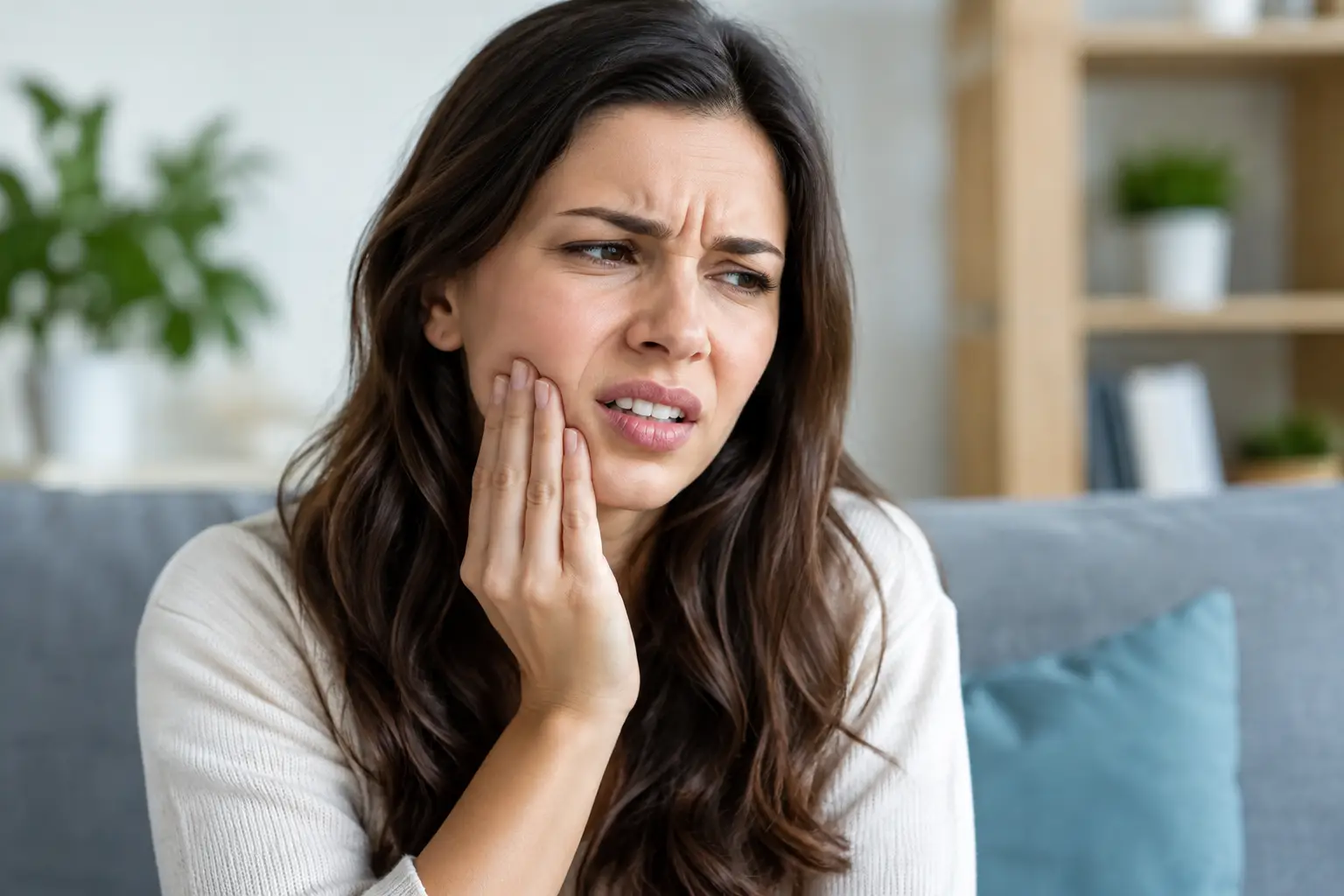
A tight jaw can make an ordinary day feel surprisingly difficult. You may wake with sore temples, notice headaches by mid-afternoon, or realize your teeth are pressed together while answering emails or driving home. Learning how to relieve jaw clenching starts with noticing these small patterns, then choosing solutions that protect both your comfort and your teeth.
Jaw clenching is common, and it is not always a sign that something is seriously wrong. Stress, concentration, poor sleep, certain medications, bite concerns, and nighttime teeth grinding can all play a role. The right approach depends on when clenching happens, how often it occurs, and whether it is already causing tooth wear, pain, or jaw-joint symptoms.
Why jaw clenching deserves attention
Your jaw muscles are strong. When they stay contracted for long periods, they can become fatigued and tender, creating discomfort in the cheeks, temples, neck, or around the ears. Some people experience clicking or stiffness when opening their mouth, while others mainly notice morning headaches or sensitive teeth.
Clenching also places extra pressure on teeth, fillings, crowns, and veneers. Over time, that pressure can contribute to flattened tooth edges, small chips, cracks, gum recession, or loose restorations. Not every case leads to damage, but a dental examination can identify early changes before they become a larger repair.
It helps to separate daytime clenching from sleep-related clenching. During the day, many people can reduce the habit by building awareness and changing their posture. At night, you may need dental guidance and a plan that accounts for sleep quality, tooth wear, and jaw comfort.
How to relieve jaw clenching during the day
The resting position of your jaw should be relaxed: lips together, teeth apart, and tongue resting gently against the roof of your mouth behind the front teeth. Teeth are meant to touch when you are chewing or swallowing, not for hours while working, reading, or concentrating.
Start by setting a few quiet reminders on your phone, computer, or smartwatch. When the reminder appears, pause and check your jaw. Let your shoulders drop, breathe out slowly, and create a small space between your upper and lower teeth. This may sound simple, but frequent short resets are often more effective than trying to force your jaw to relax once at the end of a stressful day.
Pay attention to the situations that trigger clenching. Many patients notice it while commuting, lifting weights, meeting a deadline, caring for young children, or scrolling before bed. If you tend to clench during computer work, adjust your screen height and chair position so you are not leaning forward with your neck tense. Taking a brief movement break every hour can reduce strain in both the jaw and shoulders.
Warmth can help calm sore muscles. Try a warm, moist cloth against the side of the face for 10 to 15 minutes, followed by gentle massage over the cheek muscles and temples. Keep the pressure light. If massage increases pain, stop and arrange an assessment rather than pushing through it.
For a few days when your jaw is sore, choose softer foods and avoid habits that keep the jaw working hard, such as chewing gum, biting pens, nail biting, or eating very chewy foods. This is not a permanent restriction. It is a short period of rest while irritated muscles settle.
Support your jaw before sleep
Nighttime clenching can be harder to recognize because you are asleep when it happens. Common clues include waking with jaw fatigue, headaches, tooth sensitivity, or a partner hearing grinding sounds. You may also see wear on the chewing surfaces of your teeth without realizing it.
A calming bedtime routine can help lower overall muscle tension. Limit work and stressful screen time close to bed where possible, and try a consistent wind-down activity such as gentle stretching, reading, or slow breathing. Caffeine and alcohol affect people differently, but both can interfere with restorative sleep for some individuals. If you notice worse clenching after either one, reducing evening intake is worth discussing with your healthcare provider.
Sleep position can matter as well. Sleeping face-down or with your hand pressed under your jaw may place added pressure on the joint and muscles. A supportive pillow and a side or back sleeping position may feel more comfortable, although there is no single best position for everyone.
If snoring, gasping, frequent waking, daytime exhaustion, or witnessed pauses in breathing are part of the picture, mention them to your dentist or physician. Sleep-disordered breathing and jaw clenching can occur together, and treating only the clenching may not address the full cause.
When a night guard may help
A custom dental night guard creates a protective barrier between the upper and lower teeth. It can reduce the damage caused by grinding and distribute biting forces more evenly. For many people, it is an important part of protecting teeth, restorations, and the jaw joint.
A night guard is not always a complete cure for clenching. It protects the teeth, but stress, sleep disruption, medication effects, and muscle habits may still need attention. That is why a dentist should assess your bite, teeth, jaw movement, and symptoms before recommending a guard.
Over-the-counter guards may seem convenient, but they can be bulky, fit poorly, or change how your teeth meet if used improperly. A custom-made appliance is designed for your mouth and can be adjusted if comfort or fit changes. This is particularly valuable if you have crowns, bridges, orthodontic treatment, significant tooth wear, or jaw-joint pain.
Do not ignore these warning signs
Book a dental appointment if jaw clenching is frequent, painful, or affecting daily life. Prompt care is especially sensible if you have a chipped or cracked tooth, a filling that feels different, pain when biting, increasing tooth sensitivity, limited jaw opening, or a jaw that locks open or closed.
Severe facial swelling, fever, trouble swallowing, difficulty breathing, or swelling that spreads toward the eye or neck requires urgent medical attention. These symptoms may point to an infection or another issue that needs care beyond home strategies.
A dentist can check for signs of grinding, tooth damage, bite changes, and problems involving the jaw joint. Depending on what is found, care may include a custom night guard, repair of damaged teeth, recommendations for muscle relief, or coordination with your family physician or another healthcare provider. If anxiety, stress, or sleep concerns are driving the pattern, addressing those factors is a meaningful part of dental care too.
A practical next step for Aurora families
If you are clenching occasionally and your jaw feels normal, begin with daytime awareness, gentle heat, and better sleep routines. If symptoms persist for more than a couple of weeks, or you are waking with pain or headaches, an examination is the more reliable next step. Early advice can be simpler than waiting until a tooth cracks or a sore jaw becomes a daily problem.
At Prime Smile Dental Clinic, a jaw-clenching assessment can be part of a routine visit or arranged when discomfort is getting in the way. For busy families and working adults, the goal is straightforward: understand what is putting pressure on your jaw, protect your teeth, and find a plan that feels manageable. A relaxed jaw is not something you need to achieve perfectly – it is a habit built through small checks, the right support, and timely care when your symptoms ask for more.