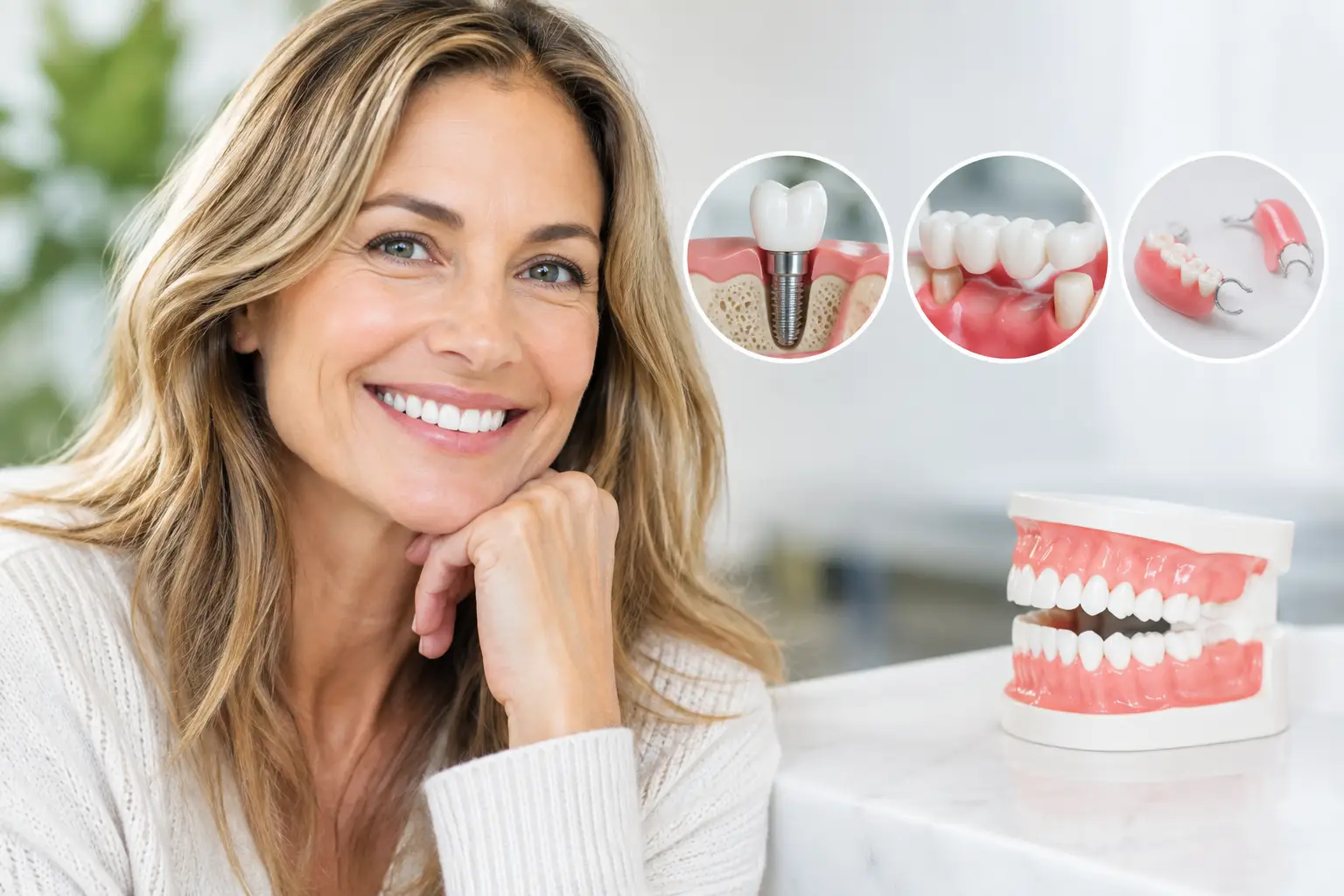

An aching tooth, a child due for a cleaning, or a filling that cannot wait should not turn into a billing mystery. Affordable dental payment options can make it easier for Aurora families to arrange needed care with a clear understanding of what insurance, public coverage, and personal budgeting may cover.
The best option depends on your treatment, benefits, household budget, and timing. A routine exam is different from an emergency repair, and a treatment plan for Invisalign or a cosmetic service needs a different conversation than a cleaning. The goal is not to delay care until every detail is perfect. It is to understand the costs early, ask the right questions, and choose a plan that feels manageable.
Affordable dental payment options start with a clear estimate
Before treatment begins, ask for a written estimate that separates the planned services and explains the expected patient portion. This gives you a practical starting point for comparing your coverage with the cost of care. It also helps avoid surprises when a treatment involves more than one visit.
For example, a cracked tooth may need an exam and X-rays first, followed by a filling, crown, or other restoration depending on the damage. The cost cannot be responsibly confirmed until the dentist has assessed the tooth. A clear estimate after that assessment lets you make decisions based on your actual needs rather than a general online price range.
It is also reasonable to ask whether treatment can be completed in stages. Some work must be done promptly to control pain, infection, or further damage. Other care may be safely planned over several appointments. Your dentist can explain the clinical priority, so you know what should happen now and what can be scheduled later.
Use dental insurance benefits efficiently
Private dental insurance can reduce out-of-pocket costs, but every plan works differently. Coverage may vary by service, include deductibles or co-payments, and set annual maximums. Even when a procedure is covered, the insurer may reimburse only a percentage of the fee or use its own fee guide.
Direct insurance billing can reduce the administrative work for patients. Instead of paying the full amount and waiting to submit paperwork yourself, the clinic sends the claim to the insurer when possible. You are then responsible for any balance not covered by your plan. This is especially helpful for busy parents and working adults who want a simpler appointment experience.
Before booking significant treatment, check a few details with your insurer: your remaining annual maximum, the percentage covered for the recommended service, whether a pre-determination is needed, and whether there is a waiting period. A pre-determination is not a guarantee of payment, but it can provide a useful estimate of what the insurer expects to cover.
If you have benefits through a spouse or parent as well as your own plan, coordination of benefits may help with eligible costs. The order in which plans are billed follows insurer rules, so it is helpful to provide both sets of information to the dental team before your visit.
Plan around annual maximums when appropriate
For treatment that is not urgent, timing can matter. If your annual insurance maximum has nearly been used, your dentist may be able to discuss whether part of a larger treatment plan can be scheduled after your benefits renew. This is not suitable for every situation. Pain, infection, a broken restoration, or a problem that could worsen should be assessed without delay.
The important distinction is between thoughtful scheduling and postponing necessary care. Addressing a small cavity early is often more predictable and less costly than waiting until it becomes a painful tooth that needs more extensive treatment.
Canadian Dental Care Plan support for eligible patients
The Canadian Dental Care Plan, often called CDCP, may help eligible Canadian residents access oral health care. Coverage and patient co-payments depend on factors such as adjusted family net income, eligibility requirements, the service needed, and the amount covered by the plan.
If you are enrolled, bring your CDCP information to your appointment and let the team know when you book. Prime Smile Dental Clinic accepts CDCP patients and can help make the appointment process more straightforward. The clinic can review the planned treatment with you, but coverage decisions remain subject to the CDCP rules and any required approvals.
It is wise not to assume that every service will be covered in full. Some patients may have a co-payment, and certain treatments may require preauthorization or have specific coverage limits. Asking about this before treatment gives you time to understand any expected out-of-pocket amount and discuss alternatives where clinically appropriate.
For seniors, families, and adults without private insurance, CDCP support may make preventive visits and necessary treatment more attainable. Regular exams, cleanings, and early attention to discomfort can also help prevent a more complicated problem from developing unnoticed.
Talk openly about the cost of recommended care
Cost conversations are part of patient-centred dentistry. You do not need to apologize for asking what a treatment will cost, what is included, or whether there are different clinically suitable approaches. A good discussion should cover the purpose of the treatment, the risks of waiting, expected longevity, and the financial estimate.
There can be trade-offs. A lower-cost option may be appropriate for some situations but may not offer the same appearance, durability, or long-term function as another option. Cosmetic services and orthodontic care are particularly individual. The right choice depends on your goals, oral health, timeline, and budget, not simply the lowest initial figure.
If paying the full patient portion at once is difficult, ask about available payment arrangements before starting treatment. Policies vary by clinic and by the type of care being provided. Having that conversation early is much easier than dealing with an unexpected balance after an appointment.
For larger treatment plans, consider requesting a phased schedule and keeping copies of your estimates and insurance information. This can help you budget by appointment, use benefit periods wisely, and make decisions without pressure.
Prevention is one of the most practical ways to manage costs
Affordable care is not only about how you pay after a problem appears. It is also about reducing the chance of a larger dental expense later. Routine exams and hygiene visits allow the dental team to identify early decay, gum concerns, worn fillings, or bite changes before they become more disruptive.
At home, consistent brushing with fluoride toothpaste, cleaning between teeth, and limiting frequent sugary drinks and snacks support that effort. For children, regular visits also build familiarity with the dental office and give parents a chance to ask about brushing habits, fluoride, growth, and orthodontic development.
Prevention cannot eliminate every surprise. A sports injury, broken tooth, or sudden swelling can happen despite excellent care. Still, a regular relationship with a family dental clinic means you have a place to call when something changes, and your dental history is already available to guide the next step.
Do not let an emergency become a bigger financial problem
Dental pain often leads people to wait because they are worried about cost. Unfortunately, waiting can allow an infection, fracture, or decay to progress. Prompt assessment does not always mean you must complete every recommended treatment that day, but it does let the dentist diagnose the problem, relieve discomfort where possible, and explain the next steps.
When you call about an urgent concern, describe your symptoms clearly. Mention severe pain, facial swelling, bleeding, a knocked-out tooth, fever, or difficulty swallowing. The team can advise on appointment timing and what information to bring, including insurance or CDCP details.
A manageable dental plan starts with one straightforward conversation. Bring your benefit information, ask for an estimate, and share any budget concerns before treatment begins. Whether you are arranging a child’s checkup, addressing a broken tooth, or planning a smile improvement, clear information can help you move forward with more confidence.