A tooth on the ground after a hockey collision, playground fall, or unexpected trip can feel frightening. Knowing how to save a knocked out tooth in the next few minutes may make it possible for a dentist to place it back in the mouth. The priority is simple: stay calm, protect the tooth correctly, and arrange emergency dental care immediately.
A knocked-out permanent tooth is a dental emergency. Fast action gives the tooth the best chance of healing, but even if time has passed, it is still worth bringing the tooth to an urgent dental appointment.
First, check for a more serious injury
Before focusing on the tooth, look at the person who was injured. Call 911 or seek emergency medical attention if there has been a loss of consciousness, vomiting, confusion, severe bleeding, trouble breathing, or a suspected injury to the head, neck, or jaw.
If the person is alert and the bleeding is limited to the mouth, have them sit upright and gently bite on clean gauze or a clean cloth. A cold compress on the outside of the cheek can help reduce swelling. Avoid placing loose gauze deep in the mouth, especially for a young child.
Then look for the tooth. If it cannot be found, do not assume it has been swallowed. A dentist or physician may need to assess whether it was inhaled or lodged elsewhere after the injury.
How to save a knocked out tooth: the essential steps
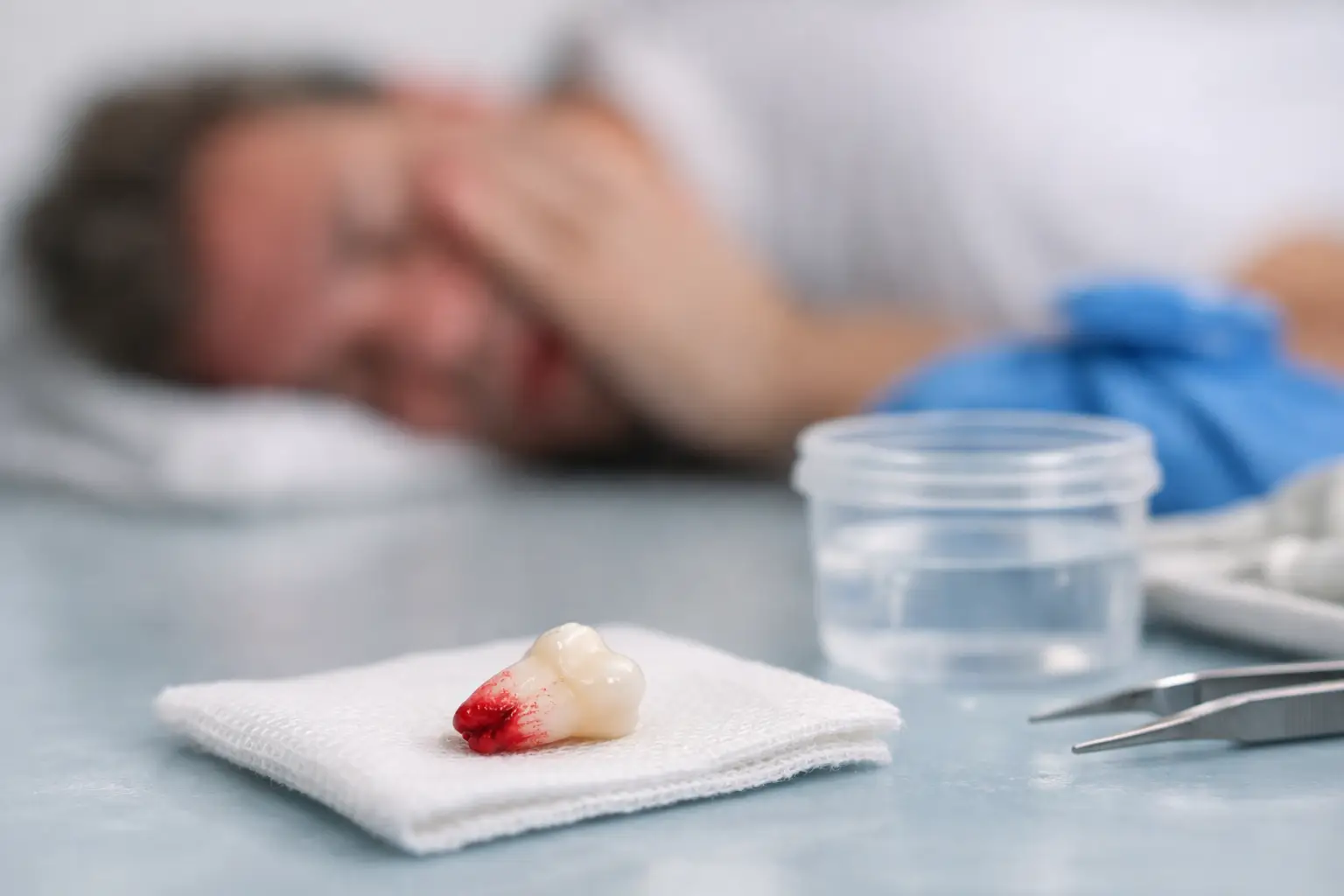
A tooth that has come out completely, including its root, is called an avulsed tooth. The cells on the root surface need to stay moist and protected. How you handle the tooth matters just as much as how quickly you get to the dental clinic.
Pick it up by the crown only
Hold the tooth by the crown, which is the white chewing part normally visible above the gumline. Do not touch, rub, scrape, or wipe the root. The root may have tiny fibres attached to it that support successful reattachment.
If the tooth is dirty, rinse it very gently for a few seconds with cold running water, saline solution, or milk. Do not scrub it with a toothbrush, soap, tissue, or disinfectant. Do not try to remove tissue from the root.
Put it back in the socket if it is a permanent tooth
For an older child, teen, or adult who is calm and able to cooperate, gently place the tooth back into its socket as soon as possible. Make sure it faces the right direction – the smooth front surface should face outward. Have the person bite down softly on gauze or a clean cloth to hold it in place.
Do not force the tooth into the socket. If it does not slide in easily, keep it moist using one of the methods below and bring it to the dentist right away.
Keep the tooth moist during the trip
If replacing the tooth is not practical, place it in cold milk. Milk is one of the most accessible options because it helps protect the cells on the root better than plain water.
If milk is not available, saline solution is a good alternative. A tooth-preservation kit, if one is available at a school, sports facility, or first-aid station, can also be used. An older child or adult who is fully conscious may hold the tooth between the cheek and gum while travelling to the dentist, but this is not safe for young children or anyone who may swallow it.
Do not store the tooth in tap water, a dry tissue, ice, or a bag without liquid. Do not let it dry out. Drying can damage the root surface quickly.
Do not put a baby tooth back in
This is the key exception. If a baby tooth has been knocked out, do not attempt to reinsert it. Placing a primary tooth back into the socket can harm the developing adult tooth underneath.
A child should still see a dentist promptly. The dentist can check for soft-tissue injuries, damage to nearby teeth, or pieces of tooth that may remain in the gum. Depending on the child’s age and which tooth was lost, the dentist may also discuss whether maintaining the space is necessary for future tooth alignment.
If you are unsure whether the tooth is a baby tooth or a permanent tooth, bring it with you and call an emergency dental clinic for guidance. Permanent front teeth commonly begin appearing around age six or seven, but every child’s dental development is different.
Get emergency dental care without delay
The best results often occur when a permanent tooth is repositioned within 30 minutes, but a successful outcome can still be possible after a longer period when the tooth has been stored properly. Do not wait to see whether discomfort settles or whether the tooth can be saved later in the day.
Call a dental clinic and clearly say that a permanent tooth has been knocked out. This helps the team understand the urgency and prepare for your arrival. At Prime Smile Dental Clinic, urgent dental appointments are available to help Aurora and York Region patients get prompt assessment after dental injuries.
At the appointment, the dentist will examine the mouth and may take X-rays to assess the tooth socket, the surrounding bone, and nearby teeth. If the tooth can be replanted, it is usually stabilized with a small flexible splint attached to neighbouring teeth. The dentist will also assess the gums, lips, tongue, and jaw for additional injury.
Follow-up visits are an essential part of treatment. A replanted tooth may need root canal treatment, monitoring for infection, and a period of careful healing. The outcome depends on the time outside the mouth, how the tooth was stored, the stage of root development, and the extent of the original injury.
What to do after the emergency visit
Your dentist will give instructions tailored to the injury, but patients are commonly asked to eat soft foods and avoid biting directly with the injured tooth while it heals. Good oral hygiene remains important. Gentle brushing around the area and any recommended mouth rinse can help keep the gums clean.
Avoid contact sports, rough play, and chewing hard foods until the dentist confirms it is safe. If the injury happened during sport, ask about a properly fitted custom mouthguard before returning to play. Store-bought guards can offer some protection, but a custom fit generally provides better comfort and retention.
Pain, swelling, or sensitivity can occur after dental trauma. Use medications only as directed by a healthcare professional, and contact the dental clinic if pain worsens, swelling develops, the splint becomes loose, or the tooth feels different when biting.
Common questions after a tooth is knocked out
What if the tooth is broken as well as knocked out?
Bring every piece you can find. A dentist may be able to use a fragment in treatment, and the pieces can help determine the type of injury. Handle broken pieces carefully and keep them moist in milk or saline while you travel.
Can I rinse the mouth?
Yes, gently rinse the mouth with water to clear blood or dirt. Avoid aggressive swishing. The goal is to make the person more comfortable without disturbing a clot or causing further irritation.
Will a replanted tooth look and feel normal again?
It may, but there is no guarantee. Some teeth heal well and function for many years, while others develop complications that require further treatment. Saving the natural tooth whenever possible can preserve bone and maintain space, even when longer-term care is needed.
A knocked-out tooth calls for quick, careful action, not perfect decision-making. Pick it up by the crown, keep it moist, never reinsert a baby tooth, and arrange urgent dental care right away. Those few practical steps can give the injured tooth its strongest possible chance.