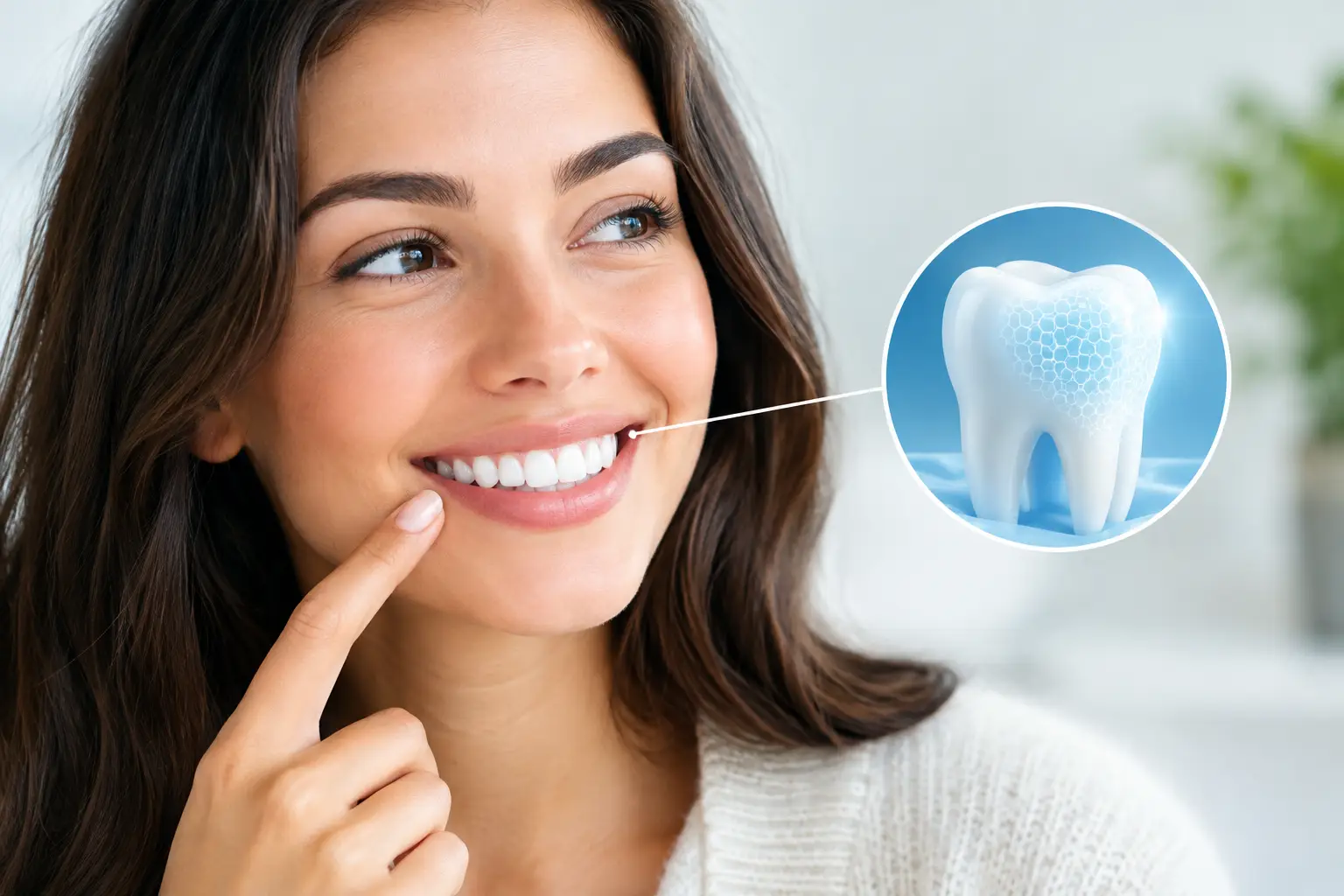

A dental implant appointment is a meaningful step toward eating, speaking, and smiling with greater comfort again. This dental implant recovery guide gives you a practical picture of the first two weeks, including what is normal, what to avoid, and when your dental team should hear from you. Recovery is usually manageable, but following your personal post-operative instructions matters more than following a general timeline.
An implant is a small titanium post placed in the jawbone to support a replacement tooth. Your gums need time to heal after surgery, and the bone needs much longer to form a stable connection with the implant. You may feel better within days, yet the healing process continues beneath the surface for several months. That is why protecting the area is just as important once the early soreness fades.
The first 24 hours: protect the surgical site
Light bleeding or oozing is common on the day of surgery. Your dentist may ask you to bite gently on gauze for a specific period, replacing it only as directed. A small amount of blood mixed with saliva can look more dramatic than it is. Rest with your head elevated, and keep your schedule quiet for the remainder of the day.
Avoid rinsing vigorously, spitting forcefully, or using a straw during the first day unless your dentist tells you otherwise. These actions can disturb the clot and irritate the surgical area. Do not probe the site with your tongue or fingers, even if stitches or a healing cap feel unfamiliar.
If you received sedation, arrange for a responsible adult to take you home and stay available as instructed. Do not drive, make major decisions, drink alcohol, or return to work requiring close concentration until the effects have fully worn off. Local freezing alone may also make chewing awkward, so take care not to bite your cheek, lip, or tongue.
Managing discomfort and swelling
Discomfort after implant placement is expected and is often most noticeable when the freezing wears off. Take any prescribed medication exactly as directed. If your dentist has recommended an over-the-counter pain reliever, follow the label and confirm it is suitable for you, particularly if you have a medical condition, take blood thinners, or have a history of stomach, kidney, liver, or bleeding concerns.
Swelling commonly increases over the first two to three days before it begins to settle. Apply a cold pack to the outside of your face in short intervals during the first day or two, with a cloth between the pack and skin. Bruising can also occur, especially after more involved treatment or bone grafting. It can take a week or longer to fade.
Pain should gradually improve, not intensify. A dull ache, mild tenderness, and slight tightness around the gums can be part of normal healing. Severe throbbing pain, swelling that worsens after the third day, or pain that returns strongly after improving deserves a call to your dentist.
What to eat after implant surgery
For the first few days, choose foods that are soft, cool or lukewarm, and easy to eat without chewing near the implant. Yogurt, scrambled eggs, mashed vegetables, oatmeal once cooled, soups that are not hot, smoothies eaten with a spoon, and soft pasta are common options. Keep meals nourishing. Protein, fluids, and regular meals support recovery better than skipping food because your mouth feels tender.
Avoid very hot foods and drinks while numb and during the first day, as heat may increase bleeding and you could burn yourself without noticing. Crunchy foods, seeds, nuts, popcorn, crusty bread, hard candy, and chewy foods can get trapped near the area or place pressure on it. Spicy and acidic foods may sting sensitive gums.
As comfort improves, introduce more texture gradually. The right pace depends on where the implant was placed, whether you had a graft or extraction at the same visit, and whether a temporary tooth is present. If your dentist has told you not to bite on a temporary crown or bridge, take that instruction seriously. A temporary restoration can look natural but may not be designed for full chewing force.
Dental implant recovery guide: cleaning without disrupting healing
A clean mouth supports gum healing, but the surgical area needs a gentle approach. Continue brushing the teeth away from the implant site as usual, unless your dentist advises otherwise. On the day of surgery, avoid brushing directly over the incision. Your care instructions may include a medicated rinse, a saltwater rinse beginning at a designated time, or both.
When saltwater rinsing is appropriate, let the liquid move gently around your mouth rather than swishing forcefully. Do not substitute a homemade rinse for a prescribed product, and do not use mouthwash containing alcohol unless your dental team says it is appropriate. Alcohol can be irritating during early healing.
After several days, you may be able to carefully clean closer to the area with an extra-soft toothbrush. The timing differs from person to person. Stitches may dissolve on their own or need removal at a follow-up visit. Leave them alone unless your dentist instructs you otherwise.
Days 3 to 14: returning to routine carefully
Many patients can return to desk work or light daily activities within one or two days. More physically demanding work may require additional time. Avoid strenuous exercise, heavy lifting, bending, and vigorous sports for the period recommended by your dentist, often several days. Increased blood flow and pressure can trigger bleeding or worsen swelling.
Smoking and vaping create a more serious risk than many people realize. Nicotine reduces blood flow to healing tissues and can interfere with the implant integrating with the jawbone. This can increase the risk of infection and implant failure. The safest choice is to avoid tobacco and vaping entirely, especially during healing. If stopping is difficult, tell your dental team before treatment so they can discuss practical support and the risks specific to your case.
Alcohol can also interfere with recovery, particularly if you are taking prescription pain medication or antibiotics. Follow the instructions you were given rather than assuming that feeling better means every restriction has ended.
You may notice that the implant area feels different from surrounding teeth for a while. That alone is not a sign of a problem. What matters is whether the sensation is improving and whether there is any movement. An implant should not feel loose. Avoid testing it by pushing on it or chewing hard foods to see what it can handle.
When to call your dentist
Your follow-up visits allow your dental team to check gum healing, remove stitches if necessary, and make sure the implant remains protected while it integrates. Keep these appointments, even if you feel well. Some concerns need attention before they become more complicated.
Contact your dental office promptly if bleeding does not slow after following the instructions you were given, if swelling is rapidly increasing, or if you develop fever, chills, pus, a foul taste, or a persistent bad odour from the surgical area. Call if pain is severe or becomes worse after initially improving, if numbness lasts longer than expected, or if the implant, healing cap, temporary tooth, or restoration feels loose or breaks.
If you have trouble breathing or swallowing, seek emergency medical care immediately. For urgent dental concerns outside regular hours, use the emergency contact process provided by your clinic.
Healing time is personal
The gum tissue often settles within one to two weeks, but the implant itself generally needs several months to bond with the jawbone. This process is called osseointegration. Your dentist may place the final crown after confirming the implant is stable and the surrounding tissues are healthy. In some cases, a temporary tooth can be placed sooner; in others, more healing time is the safer choice.
Healing can take longer when an implant follows a difficult extraction, requires bone grafting, or is placed in an area with limited bone. Medical conditions, certain medications, teeth grinding, and smoking can also affect the plan. These differences are not setbacks. They are reasons your dentist may recommend a timeline tailored to protecting your result.
At Prime Smile Dental Clinic, patients can expect clear post-treatment instructions and a follow-up plan that fits their procedure and daily routine. Keep your instructions somewhere easy to find, prepare soft foods before your appointment, and give yourself permission to rest. A calm, careful first two weeks helps create the conditions your new smile needs to heal well.