
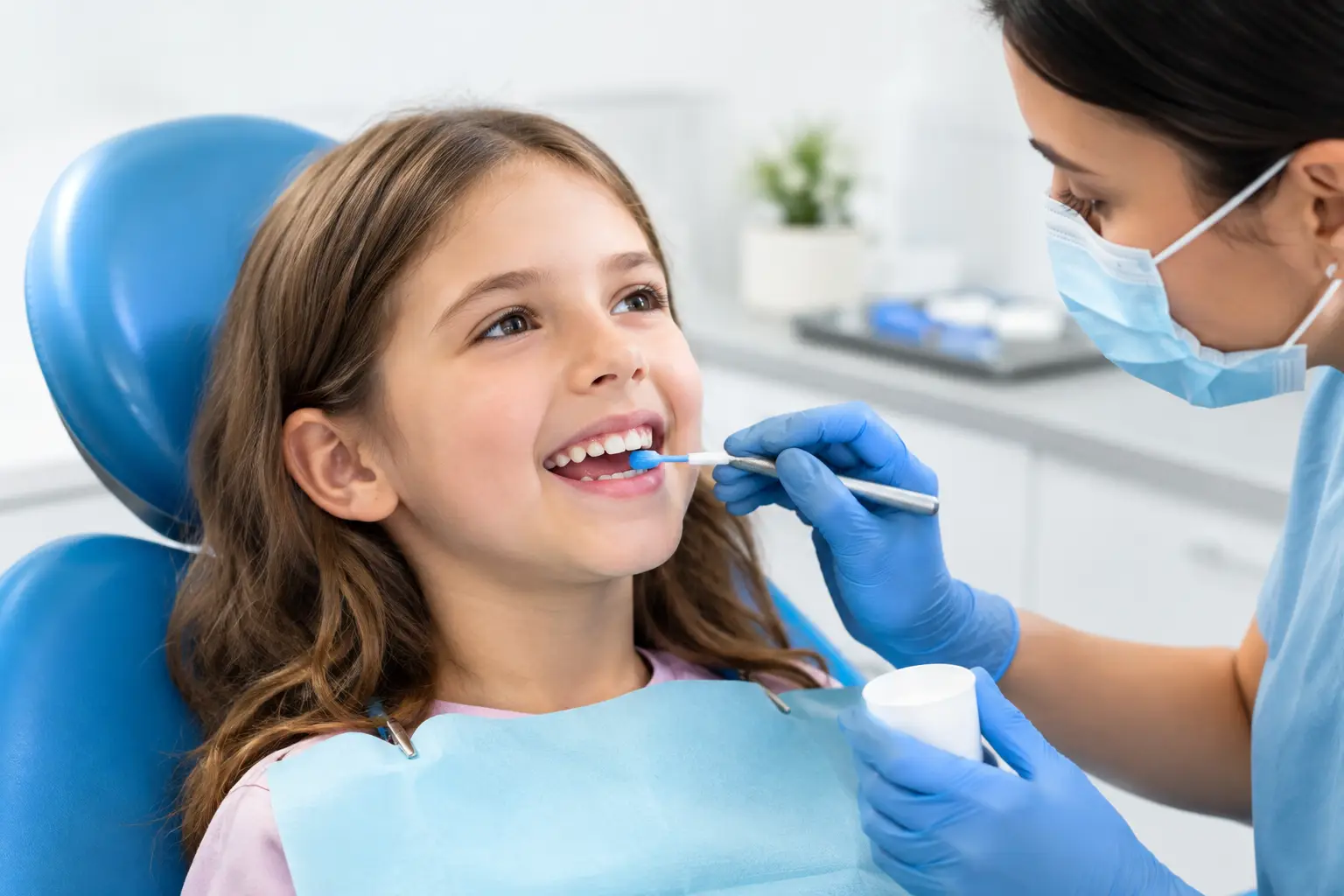
A new tooth can develop a cavity surprisingly quickly. That is why a fluoride treatment for children is often part of a preventive dental visit, especially when a child is still learning consistent brushing habits or has a history of tooth decay. It is a simple, comfortable way to give developing teeth extra protection between appointments.
For parents, the goal is not to add another complicated task to the family calendar. It is to help reduce the chance that a small area of decay turns into tooth pain, a filling, or an urgent dental visit. Whether fluoride is right for your child depends on their individual cavity risk, diet, oral hygiene, and the fluoride they already receive from toothpaste and drinking water.
What is fluoride treatment for children?
Fluoride is a naturally occurring mineral that helps strengthen tooth enamel, the hard outer layer of the tooth. Each day, enamel is exposed to acids made by plaque bacteria after children eat or drink, particularly foods and drinks with sugar. Over time, those acids can weaken enamel and start a cavity.
Fluoride supports a process called remineralization. In plain language, it helps weakened enamel regain minerals and become more resistant to future acid attacks. It can also slow down very early decay before it develops into a cavity that needs a filling.
At a dental office, fluoride is usually applied as a concentrated varnish, gel, or foam. Varnish is a common choice for children because it is quick to apply with a small brush and sets on the teeth. There are no needles, drills, or recovery time involved.
Why children can benefit from fluoride
Children are still building the routines that protect their teeth for life. Even with attentive brushing at home, certain areas can be difficult to clean well, particularly the grooves on back molars and the spaces between teeth. Young children may also swallow toothpaste rather than spit it out, which means they need only a small, age-appropriate amount at home.
Fluoride treatment provides a layer of professional prevention during regular examinations and cleanings. It does not replace brushing, flossing, or a balanced diet. Think of it as added support for the teeth most vulnerable to decay.
A dentist may be more likely to recommend fluoride if your child has had cavities before, visible early weak spots on enamel, braces or other orthodontic appliances, frequent snacking, or difficulty brushing thoroughly. Children who drink mainly bottled water may also have less exposure to fluoride than those who drink municipal tap water, though local water levels vary.
A child without any cavities may still benefit. The recommendation is based on risk, not simply whether a problem has already appeared. During a checkup, the dental team can look for early signs of enamel changes and discuss what makes the most sense for your child.
What happens during the appointment?
Fluoride treatment is usually one of the shortest parts of a children’s dental visit. After the teeth are cleaned or examined, the dental professional dries them and applies the fluoride product. With varnish, the material is painted onto the tooth surfaces using a tiny brush. It hardens quickly when it contacts saliva.
Most children tolerate the process very well. The flavour may be mildly sweet, and the teeth can feel a little different for a few hours because of the varnish coating. The dental team will explain aftercare based on the product used. Often, families are asked to avoid hard, crunchy, or sticky foods for a short period and wait before brushing that evening or the following morning.
Those instructions matter because they allow the fluoride to stay on the teeth long enough to do its job. If your child has a sensitivity, a health condition, or difficulty with certain tastes or textures, let the team know before treatment. Small adjustments can make the visit more comfortable.
How often is fluoride applied?
There is no single schedule for every child. Some children may receive professional fluoride once or twice a year during routine visits, while those with a higher risk of cavities may benefit from more frequent applications. A recommendation should reflect your child’s needs rather than a one-size-fits-all schedule.
Regular visits also give the dental team a chance to reassess risk. A child’s needs can change after a move, a change in diet, the arrival of permanent molars, orthodontic treatment, or an improvement in home care habits.
Is professional fluoride treatment safe?
When it is applied by a dental professional in the recommended amount, fluoride varnish is considered safe for children. Only a small amount is used, and it adheres to the tooth surface, reducing how much is swallowed. The dental team will use a product and technique appropriate for your child’s age.
Questions about fluoride are understandable, particularly when parents are choosing care for a young child. The key is using fluoride appropriately. At home, parents should supervise brushing until children can reliably spit out toothpaste and avoid eating it. For children under three, a rice-grain-sized smear of fluoride toothpaste is generally used. From age three to six, a pea-sized amount is commonly recommended, with supervision.
Your dentist can also help you consider all fluoride sources together. This includes toothpaste, drinking water, mouth rinses for older children when appropriate, and in-office treatment. More is not automatically better. The aim is effective cavity prevention with the right amount of fluoride for the child.
Fluoride is helpful, but it is not the whole plan
A fluoride treatment works best alongside daily habits that keep plaque and sugar exposure under control. Brushing twice a day with fluoride toothpaste is the foundation. Once teeth touch, cleaning between them is also needed because a toothbrush cannot reach every surface.
Food and drink habits matter just as much as the total amount of sugar a child eats. Frequent sipping of juice, sweetened milk, sports drinks, pop, or other sugary beverages keeps teeth exposed to acid for longer. Water between meals is usually the tooth-friendliest choice. Saving sweet foods and drinks for mealtimes can also be easier on enamel than grazing on them throughout the day.
Some children need additional preventive care beyond fluoride. Deep grooves in newly erupted permanent molars may be good candidates for dental sealants. Sealants are thin protective coatings that cover the chewing surfaces of back teeth, while fluoride strengthens enamel across many tooth surfaces. These treatments can complement each other, but they serve different purposes.
When should your child see a dentist?
A child should generally have their first dental visit by their first birthday or within six months of the first tooth appearing. Early appointments are often brief and gentle, giving parents practical guidance and helping children become familiar with the dental setting before treatment is ever needed.
Do not wait for a regular checkup if your child has tooth pain, swelling, a chipped or knocked-out tooth, a dark spot that is getting larger, or sensitivity that continues. These signs can point to decay or injury that requires prompt attention. Fluoride may help prevent early decay from progressing, but it cannot repair a cavity that has already formed.
At Prime Smile Dental Clinic, children’s visits are approached with patience and clear explanations, so parents can understand the care plan and children can feel at ease. Direct insurance billing and support for eligible CDCP patients can also make preventive appointments easier to organize for busy families.
The best next step is a simple one: bring your child in for a checkup, ask about their personal cavity risk, and use that conversation to decide whether professional fluoride belongs in their preventive care plan. A few minutes of prevention can help protect many growing smiles.