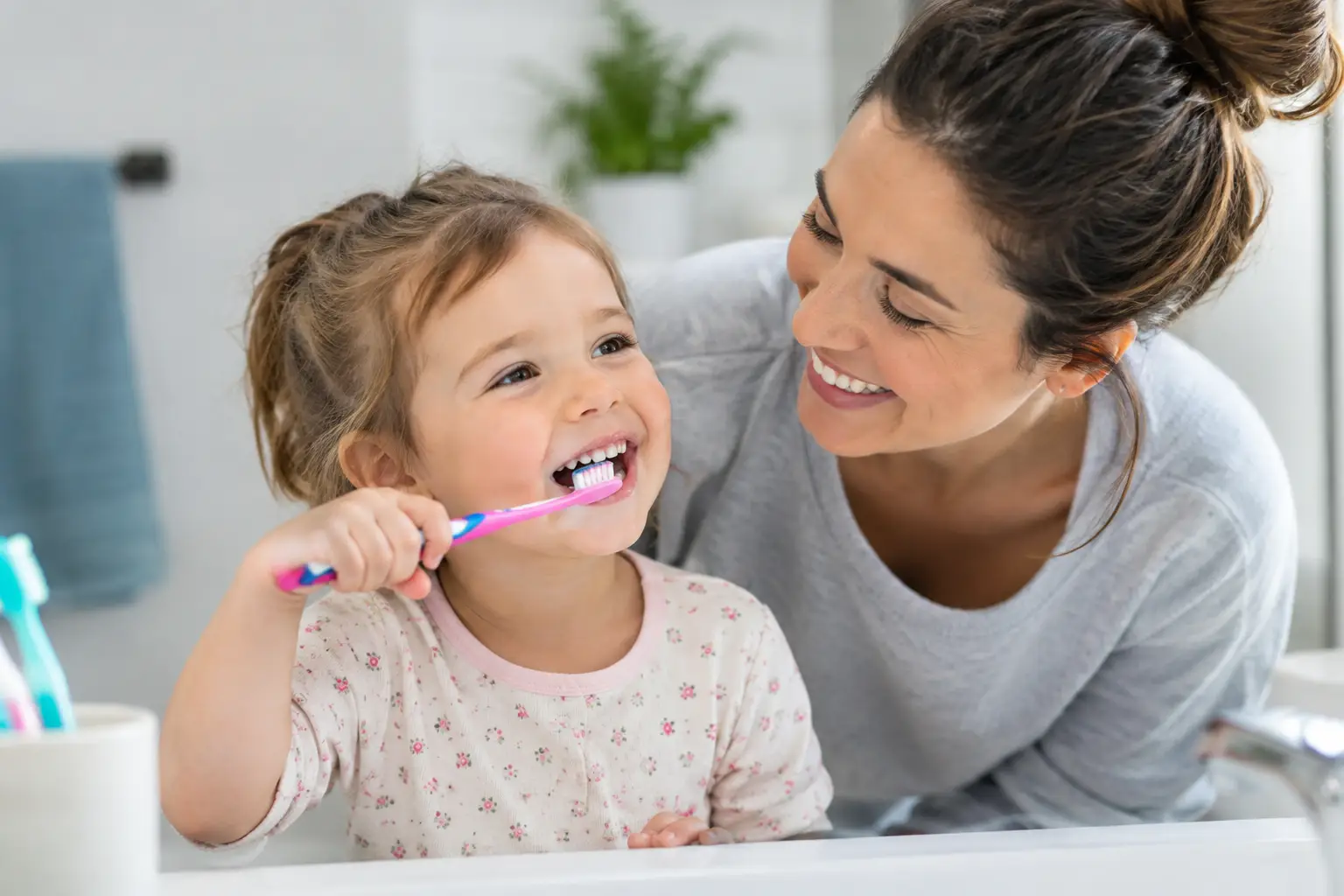
A toddler can insist on putting on their own boots, then refuse to let a toothbrush near their mouth. Learning how to brush toddler teeth is less about achieving a picture-perfect brushing session and more about creating a calm, repeatable routine that protects their growing smile. A few minutes of patient, consistent care twice a day can help prevent cavities, discomfort, and more complicated dental visits later on.
Start Brushing as Soon as Teeth Appear
Teeth need cleaning from the moment they come through the gums. Even one small tooth can collect plaque, especially after milk, snacks, or sweetened drinks. Before teeth appear, gently wiping your baby’s gums with a clean, damp cloth can help establish the habit. Once teeth erupt, switch to a soft, age-appropriate toothbrush with a small head.
Toddlers need an adult to do the actual brushing. They can hold a toothbrush, copy your movements, and take a turn at the end, but they do not yet have the coordination to clean every tooth effectively. Think of their turn as practice and yours as the part that keeps their teeth healthy.
How to Brush Toddler Teeth Step by Step
Choose a time when your child is reasonably calm and avoid making brushing feel like a surprise interruption. For many families, after breakfast and before bed work best. Bedtime brushing matters especially because saliva flow naturally decreases during sleep, leaving food residue and sugars on teeth longer.
Use a soft-bristled toothbrush and a small amount of fluoride toothpaste. For children under age three, use a smear about the size of a grain of rice. For children ages three to six, use a pea-sized amount. Fluoride strengthens tooth enamel and helps prevent cavities, but toddlers should be supervised so they do not swallow toothpaste.
Sit or stand in a position that gives you a clear view. Some parents find it easiest to sit their toddler on their lap facing away from them, with the child’s head resting gently against their body. Others prefer having the child lie back on a bed or couch. The best position is the one that lets you see the back teeth without either of you struggling.
Brush gently along the gumline, using small circles. Clean the outside, inside, and chewing surfaces of every tooth, including the back molars. These back teeth have grooves where food can stay behind. A simple two-minute song or timer can be helpful, but do not worry if your toddler will only tolerate a shorter session at first. Aim for a thorough clean and gradually build up the time.
After brushing, encourage your child to spit out any excess toothpaste if they can. They do not need to rinse with water. Leaving a small amount of fluoride toothpaste on the teeth provides continued protection.
Make the Routine Easier, Not Perfect
Resistance is common at this age. Toddlers are learning independence, testing boundaries, and often dislike having someone direct their movements. The goal is not to win a negotiation every night. It is to make toothbrushing an expected part of the day, like washing hands or putting on pyjamas.
Offer small choices that do not change the outcome. Your child can choose between two toothbrushes, select the brushing song, or decide whether to sit on your lap or stand on a step stool. These choices give them some control while keeping the routine in place.
It can also help to brush together. Let your toddler watch you brush your own teeth and narrate what you are doing in simple terms: “Now I am brushing the back teeth.” A favourite stuffed animal can have its teeth brushed first. Some children respond well to a mirror, while others are less distracted when they face away from it. It depends on the child, so trying different approaches is reasonable.
Be calm and matter-of-fact when brushing is difficult. If a toddler cries or pulls away, avoid turning it into a lengthy argument. Briefly acknowledge their feelings, then complete the brushing as gently and efficiently as you can. Consistency usually works better than offering repeated alternatives after the routine has started.
Common Toddler Brushing Challenges
“My child bites the toothbrush”
Biting is common, particularly when new teeth are erupting. Give your child a clean teething toy earlier in the evening if their gums seem sore, then use a toothbrush with a small head and brush one section at a time. Avoid pulling hard if they bite down. Pause, wait for them to release, and continue calmly.
“My toddler hates toothpaste”
Try a mild, child-friendly fluoride toothpaste flavour. Strong mint flavours can be overwhelming for young children. Do not switch to fluoride-free toothpaste simply because brushing is challenging unless a dental professional has advised it. The very small recommended amount of fluoride toothpaste provides meaningful cavity protection.
“We miss morning brushing”
Evenings can be easier because there is less rushing, but brushing twice daily remains the goal. If mornings are busy, keep the toothbrush where it is easy to see and connect brushing with an established habit, such as getting dressed. A consistent sequence is often more effective than relying on reminders when everyone is trying to get out the door.
“There is a white or brown spot on a tooth”
Do not wait for a routine visit if you notice white chalky areas near the gums, brown spots, a visible hole, swelling, or signs of pain. Early cavities can sometimes appear as dull white patches before they darken. Prompt dental assessment can help identify the cause and discuss the most comfortable treatment options.
Protect Teeth Between Brushing Times
Brushing does a great deal, but frequent exposure to sugar can still raise cavity risk. It is not only the amount of sugar that matters. How often teeth are exposed to sugary foods and drinks also makes a difference. Sipping juice, sweetened milk, pop, or sports drinks over long periods gives bacteria repeated fuel to produce acids that weaken enamel.
Water is the best drink between meals and at bedtime. If your toddler has milk before bed, brush their teeth afterward. Avoid putting a child to sleep with a bottle containing milk, juice, or any sweetened drink. If a comfort bottle is still part of the bedtime routine, water is the safer choice for teeth.
Offer regular meals and snacks rather than allowing frequent grazing throughout the day where possible. Cheese, plain yogurt, vegetables, fruit, and other balanced snacks can fit well in a toddler’s diet. Fruit is nutritious, but dried fruit and sticky snack foods can cling to teeth, so brushing and water still matter.
When Should a Toddler See the Dentist?
A child’s first dental visit is ideally scheduled by their first birthday or within six months of the first tooth appearing. Early visits are often short and gentle. They allow the dental team to check tooth development, review brushing and feeding habits, and help children become familiar with the dental setting before a problem develops.
Regular checkups also give parents a place to ask practical questions: Is my child getting enough fluoride? Are their teeth coming in normally? What should I do about thumb sucking or a pacifier? A family dental clinic can tailor advice to your child’s age, cavity risk, and comfort level rather than relying on a one-size-fits-all routine.
At Prime Smile Dental Clinic, children’s visits are approached with patience and clear guidance so families can feel prepared, whether they are booking a first checkup or have a concern that needs attention sooner.
A toddler will not remember every brushing song or which colour toothbrush they chose. What they will carry forward is the sense that caring for their teeth is a normal, supported part of family life. Keep showing up twice a day, keep the routine simple, and ask for help early whenever something does not look or feel right.