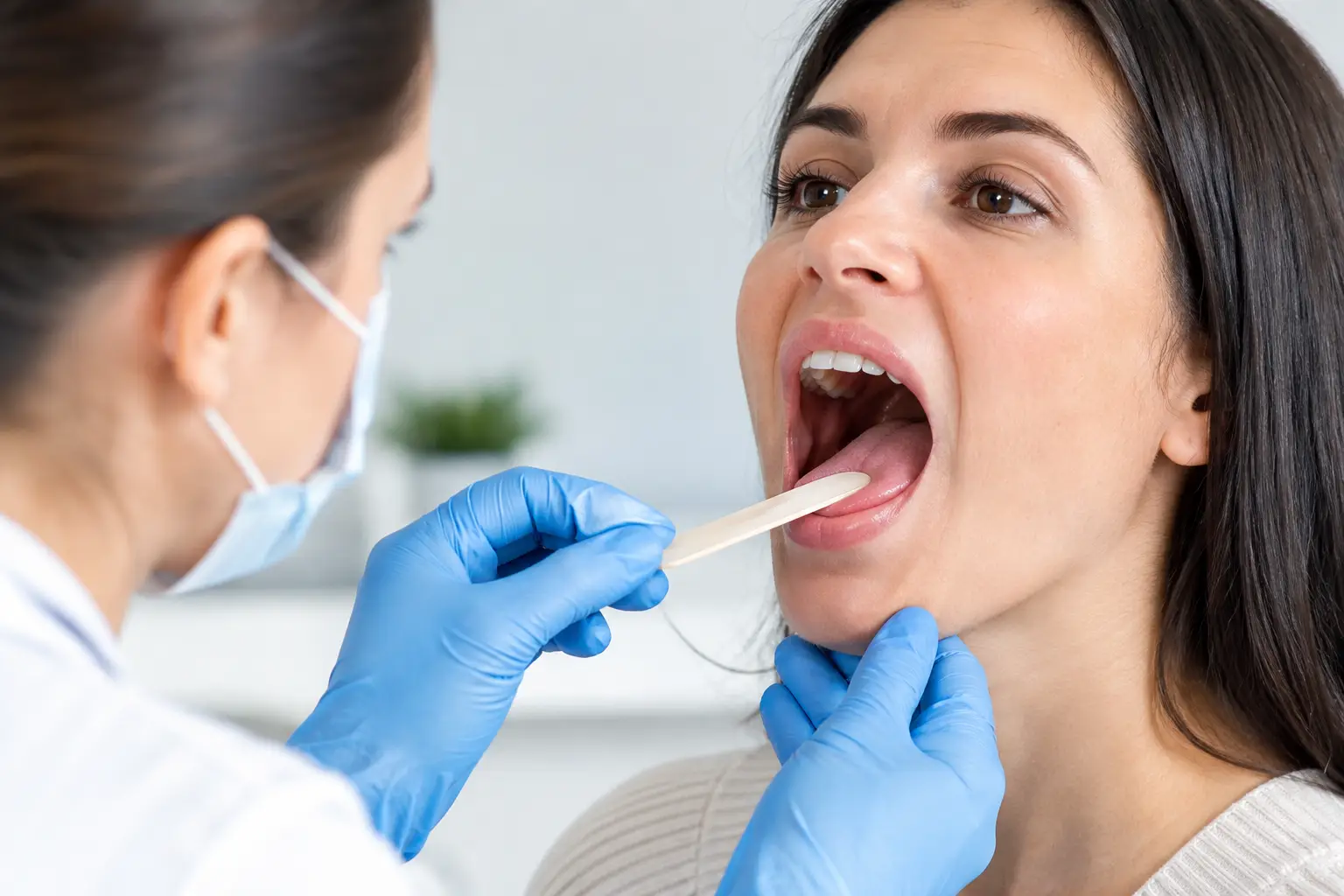

A cracked tooth during dinner, a child with a sudden toothache, or a filling that comes out before a busy workday can quickly disrupt everything. When you need an emergency dental appointment Aurora patients can rely on, knowing what to do in the first few minutes can ease discomfort and help protect your tooth until you are seen.
Dental emergencies are not always dramatic, but they should not be ignored. Pain, swelling, bleeding, or damage to a tooth can worsen when treatment is delayed. Calling a local dental clinic promptly gives the team a chance to assess your situation, provide practical advice, and arrange the earliest appropriate appointment.
When an Emergency Dental Appointment in Aurora Is Needed
An emergency dental concern is usually one that involves significant pain, infection, bleeding, trauma, or a risk of losing a tooth. A toothache that keeps you awake, makes it hard to eat, or does not improve with gentle home care deserves prompt attention. So does swelling around the gums, cheek, or jaw, especially when it is becoming more noticeable.
A chipped tooth may be less urgent when it is small and painless, but it can still have a sharp edge that irritates your tongue or cheek. A larger fracture, a crack with pain when biting, or a tooth with an exposed centre needs quicker care. The same applies to a lost filling, crown, or bridge. These problems may not always require treatment within the hour, but protecting the tooth early can prevent more extensive repair later.
A knocked-out adult tooth is one of the most time-sensitive dental emergencies. If possible, hold the tooth by the crown, which is the part normally visible above the gumline, rather than the root. If it is dirty, rinse it gently with milk or clean water without scrubbing it. Try to place it back in its socket only if it can be done easily and safely. Otherwise, keep it moist in milk or saliva and seek dental care right away.
For children, a knocked-out baby tooth should not be placed back into the socket. Doing so could affect the developing adult tooth underneath. Call a dentist for guidance, particularly if there is ongoing bleeding, pain, or a concern about injury to the jaw.
What to Do Before You Leave Home
The goal is to keep the area clean, reduce discomfort, and avoid making the injury worse. Rinse your mouth gently with warm water to clear away food particles or blood. A cold compress on the outside of the cheek can help limit swelling after an injury or during a painful flare-up. Use it in short intervals with a cloth between the cold pack and your skin.
For a toothache, carefully floss around the painful tooth. Food trapped between teeth can sometimes cause sharp pain or pressure. Do not place aspirin, alcohol, clove oil, or other substances directly on the tooth or gums. They can irritate soft tissue and do not treat the cause of the problem.
If a crown has come off, keep it in a clean container and bring it with you. Avoid chewing on that side of your mouth. Temporary dental cement may be appropriate in some cases, but it depends on the tooth and the condition of the crown. It is better to ask the dental team before trying to reattach it yourself.
For bleeding after an extraction or an injury, bite gently but firmly on clean gauze. If you do not have gauze, a clean, damp cloth may help temporarily. Avoid vigorous rinsing, spitting, smoking, and drinking through a straw, as these actions can disturb the blood clot that is needed for healing.
Pain medication may help you stay comfortable until your appointment, but follow the directions on the package and consider your own medical history, allergies, and current medications. Do not give adult medication to children unless a healthcare professional has confirmed the correct option and dose.
What Happens at an Emergency Dental Appointment Aurora Patients Can Expect
At an urgent visit, the first priority is identifying the cause of the problem and relieving pain where possible. Your dentist will ask when the symptoms started, whether there was an accident, what makes the pain better or worse, and whether you have noticed swelling, fever, or changes in your bite.
An examination may include dental X-rays, depending on the concern. X-rays can show problems that are not visible from the outside, such as an infection near the root, a crack below the gumline, or damage to supporting bone after an injury. The dentist will then explain what they see and recommend the most appropriate next step.
Treatment might involve smoothing a broken edge, placing a temporary or permanent filling, recementing a crown, draining an infection when clinically appropriate, or stabilizing an injured tooth. In some situations, the emergency visit is focused on getting you comfortable and protecting the tooth, with a follow-up appointment scheduled for the final restoration. A root canal, new crown, extraction, or other treatment may be recommended when the damage is more extensive.
There is no one-size-fits-all emergency treatment. A small chip can sometimes be repaired quickly, while a painful tooth with a deep crack may require more planning. Clear communication about the diagnosis, treatment options, timing, and expected costs helps you make an informed decision without added stress.
When a Dental Problem Needs Medical Emergency Care
A dentist is the right place for many urgent tooth and gum concerns, but some symptoms require immediate medical attention. Call 911 or go to the nearest emergency department if swelling is affecting your breathing or swallowing, if you have uncontrolled bleeding, a serious facial or jaw injury, loss of consciousness, or symptoms of a severe allergic reaction.
A fever with facial swelling, increasing weakness, or rapidly spreading swelling also needs urgent medical assessment. Dental infections can become serious when they spread beyond the tooth and gums. Do not wait to see whether severe symptoms settle on their own.
Making Urgent Dental Care More Manageable
When you call, explain your symptoms clearly and mention any swelling, trauma, bleeding, pregnancy, medical conditions, or medications that could affect treatment. If you have dental benefits, have your insurance information available. If you are covered through the Canadian Dental Care Plan, let the clinic know so the team can help clarify the billing process and coverage details that apply to your care.
Bring any broken tooth pieces, restorations, or orthodontic appliances with you if you can find them. For a child, bringing a favourite comfort item can make an unexpected visit feel less intimidating. If the patient is in significant pain or has received medication that may cause drowsiness, arranging a ride home is a sensible precaution.
At Prime Smile Dental Clinic, emergency care is approached with the same patient-first attention as routine family dentistry: assess the concern, explain the options in plain language, and help make the next step feel organized. After urgent treatment, following through with any recommended repair or checkup is what gives the tooth its best chance of staying healthy.
A dental emergency rarely arrives at a convenient time. Acting promptly, protecting the affected area, and asking for professional guidance can turn a stressful moment into a clear plan for relief and recovery.