A tooth can look fine at first glance yet still hurt when you chew, react sharply to cold, or feel rough after a piece has broken away. For patients searching for dental crown Aurora Ontario care, the priority is usually simple: protect the tooth, relieve discomfort, and get back to eating and smiling with confidence.
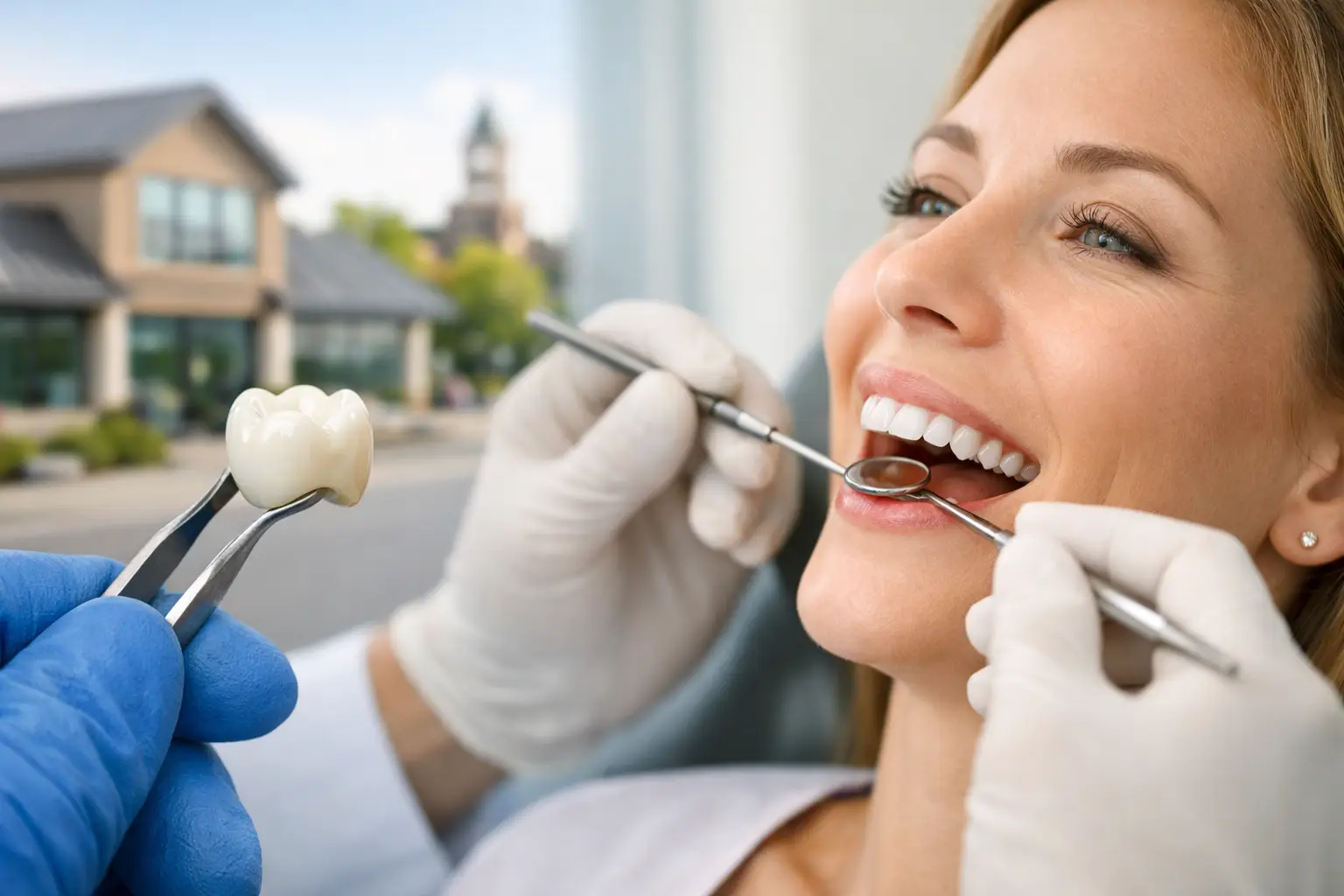
A dental crown is a custom-made covering that fits over the entire visible part of a tooth. It restores the tooth’s shape, strength, and appearance when a filling alone may no longer provide enough support. Crowns are a common restorative option for adults and seniors, and they can also be used for children in specific situations when a primary tooth needs protection.
When a Dental Crown May Be Recommended
A crown is not automatically the answer for every chipped or decayed tooth. Your dentist will first assess how much healthy tooth structure remains, whether the nerve is affected, and whether the tooth can be repaired conservatively. When possible, preserving natural tooth structure with a smaller restoration is often preferred.
A dental crown may be recommended when a tooth has a large filling that is weakening the remaining walls, a deep crack, significant decay, or substantial wear from grinding. Crowns are also commonly placed after root canal treatment because the treated tooth can become more brittle over time. If a tooth is badly broken but the root remains healthy, a crown may help avoid extraction.
Sometimes a crown is chosen for cosmetic reasons, such as improving the appearance of a severely discoloured or misshapen tooth. In those cases, the best option depends on the tooth’s condition and your goals. Veneers, bonding, whitening, or orthodontic treatment may be more appropriate for some smiles.
What Happens During Dental Crown Treatment in Aurora, Ontario
The process begins with an examination and, when needed, X-rays to look beneath the gumline and around the tooth’s root. Your dentist will discuss what is causing the problem and whether a crown is suitable. If there is active infection, extensive decay, or gum disease, those concerns may need attention before the final crown is placed.
To prepare the tooth, the dentist gently reshapes its outer surface so the crown can fit securely. Local freezing is used to keep you comfortable. If decay or an old filling must be removed first, the tooth may need to be rebuilt with filling material to create a stable foundation for the crown.
An impression or digital scan is then used to design the custom crown. While the final restoration is being made, you may receive a temporary crown to protect the prepared tooth. Temporary crowns are useful, but they are not as durable as the final restoration. Avoid chewing sticky foods, hard candy, ice, or very tough foods on that side until your final appointment.
At the fitting visit, your dentist checks the crown’s colour, shape, bite, and fit before securing it in place. A properly fitted crown should feel comfortable and allow you to bite normally. It can take a few days to adjust to the feel of a new restoration, but ongoing pain, a high bite, or difficulty flossing should be brought to the clinic’s attention.
Choosing a Crown Material
Modern crowns are designed to balance strength and natural appearance. The right material depends on where the tooth sits, how much biting force it handles, the colour of nearby teeth, and whether you grind or clench your teeth.
Porcelain and ceramic crowns are popular for visible front teeth because they can be colour matched to blend naturally with your smile. Zirconia is a strong ceramic option often used for back teeth, where chewing forces are greater. Some crowns combine materials to provide both strength and a tooth-coloured appearance.
There is no single material that is best for everyone. A back molar that absorbs heavy chewing pressure may call for a different choice than a front tooth where appearance is the main concern. During your consultation, ask about durability, appearance, expected care, and any relevant cost differences before deciding.
Will a Crown Feel Like a Natural Tooth?
Once the freezing has worn off and your bite has adjusted, a well-made crown should feel much like your natural tooth. It should not shift, catch food excessively, or cause continued pain when you bite. A short period of mild sensitivity after preparation can happen, particularly with hot or cold foods, but this should gradually settle.
A crown protects the tooth underneath it, but it does not make the tooth invincible. The natural tooth and gumline around the crown can still develop decay or gum inflammation. A crown can also chip, loosen, or crack under enough pressure, especially if you bite hard objects or grind your teeth at night.
If you wake with jaw soreness, have worn teeth, or notice frequent headaches linked to clenching, speak with your dentist. A custom night guard may help protect both natural teeth and restorations from excessive pressure.
Caring for Your Dental Crown at Home
Crown care is much like caring for the rest of your smile. Brush twice daily using fluoride toothpaste and clean between your teeth every day. Flossing is especially valuable around the crown, where plaque can collect near the gumline. Slide floss gently through the contact area rather than snapping it down against the gums.
Regular examinations and hygiene appointments allow your dental team to monitor the edges of the crown, your gums, and the tooth beneath it. Small changes are often easier to treat when found early.
To help your crown last, avoid using teeth to open packages or hold objects. Be cautious with ice, popcorn kernels, hard candy, and other foods that can damage teeth and restorations. If a crown comes loose or breaks, keep it if you can and contact the clinic promptly. Do not try to permanently glue it back in place yourself.
Cost, Insurance, and CDCP Considerations
The cost of a dental crown varies because each treatment plan is different. Factors can include the tooth’s condition, whether a buildup or root canal treatment is needed, the crown material selected, and the complexity of the appointment. A clear examination and treatment discussion should come before any work begins, so you understand the recommended care and anticipated fees.
Many private dental plans provide some coverage for crowns, although annual maximums, co-payments, and frequency limits may apply. Direct insurance billing can reduce paperwork for eligible patients, but it does not guarantee that every cost is covered. It is wise to confirm your specific plan details before treatment.
For patients using the Canadian Dental Care Plan, coverage and eligibility can depend on the service, your clinical needs, and program rules in place at the time of care. The dental team can help explain the information needed to review your options and any possible patient portion.
When to Seek Prompt Help
A broken crown, sudden tooth pain, swelling, or pain when biting deserves timely attention. These symptoms do not always mean the crown has failed, but they can signal a crack, decay beneath an older restoration, a bite issue, or an infection. Waiting may allow a repairable issue to become more complicated.
If you have facial swelling, fever, trouble swallowing, or difficulty breathing, seek urgent medical care right away. For other dental concerns, an emergency dental appointment can help identify the cause and provide the next step.
At Prime Smile Dental Clinic, crown treatment is planned around the health of your tooth, your comfort, and a practical care plan that fits your family’s schedule. If a tooth feels weak, painful, or damaged, arranging an assessment early can give you more choices for protecting it.