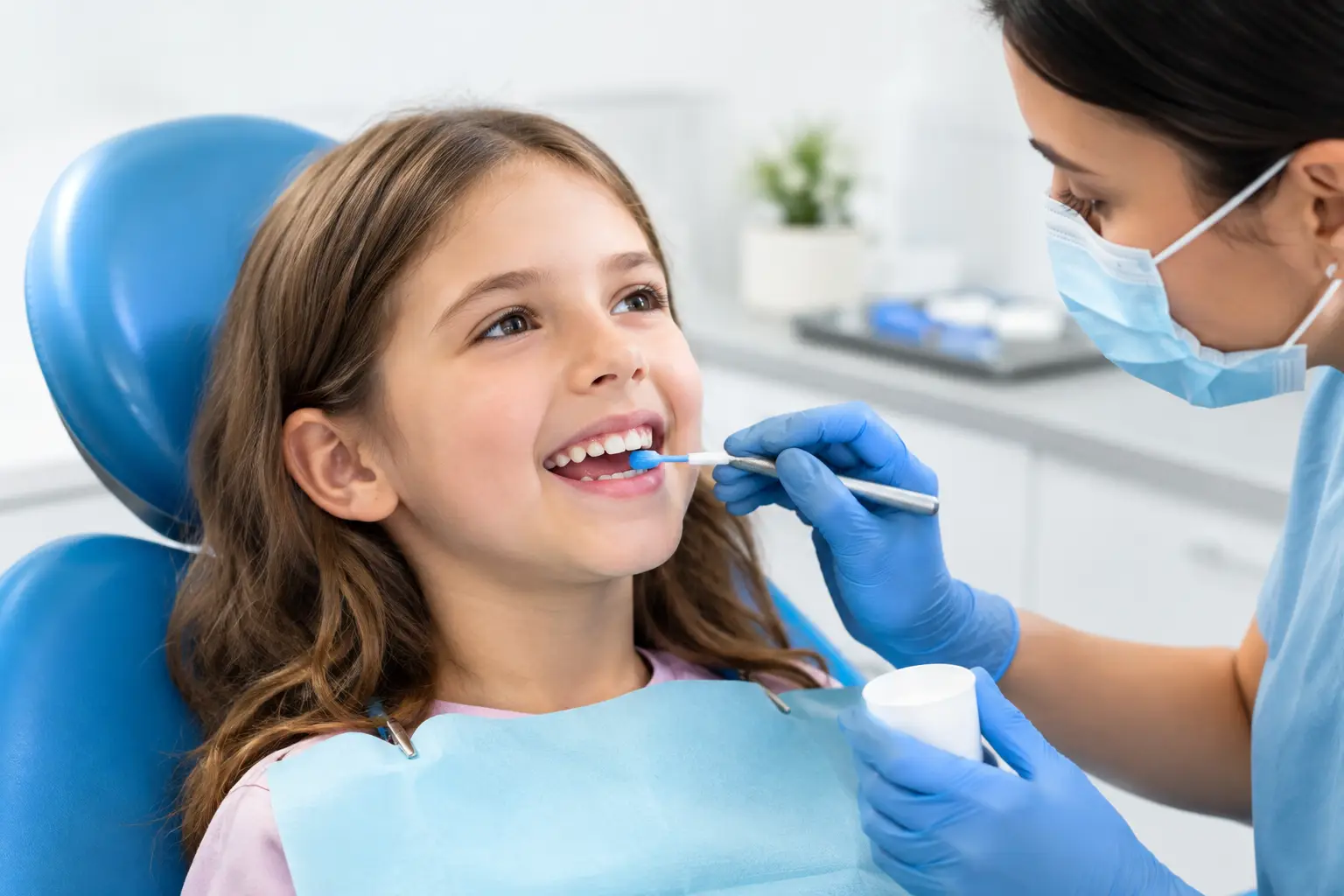

A sore spot in your mouth may be nothing more than irritation from a sharp tooth, a new denture, or an accidental bite. But when it does not heal, it deserves attention. Knowing the signs of oral cancer can help you act early, when assessment and treatment options may be more straightforward.
Oral cancer can affect the lips, tongue, cheeks, floor and roof of the mouth, gums, and throat. It does not always cause pain at first, which is one reason routine dental examinations matter. A dentist looks beyond teeth and gums during an exam, checking the soft tissues of your mouth for changes that may otherwise be easy to miss.
Signs of oral cancer to watch for
The most common warning sign is a sore, ulcer, or irritated area that has not healed after two weeks. Canker sores and minor injuries usually improve within this period. A spot that stays the same, gets larger, bleeds easily, or becomes increasingly uncomfortable should be examined promptly.
Look for a red patch, a white patch, or a red-and-white area anywhere in the mouth. These patches are not always cancer, and some can be related to irritation, infection, or other oral conditions. Still, they should not be ignored, especially when they do not clear up.
A lump, thickened area, crusted patch on the lip, or unusual swelling can also require assessment. You may notice it with your tongue while eating or brushing, or it may be something your dentist identifies during a checkup. Changes can appear small, so comparing one side of the mouth with the other can sometimes make an asymmetry more noticeable.
Other possible signs include persistent mouth pain, numbness, or tenderness that has no clear cause. Some people experience a burning sensation, while others notice that a denture or partial denture suddenly feels different. A loose tooth without an obvious dental reason may also need investigation.
Changes involving the tongue, jaw, or throat are equally worth taking seriously. These can include difficulty chewing, swallowing, or moving the tongue or jaw; a lasting sore throat; a feeling that something is caught in the throat; or a voice that remains hoarse. Swelling in the neck or a lump in the jaw area can be another sign that needs timely medical or dental attention.
What a concerning mouth change can look or feel like
Oral cancer does not have one standard appearance. It may look like a flat discoloured patch, a raised lesion, a non-healing ulcer, or an area that feels firmer than surrounding tissue. It may hurt, but it may not. That uncertainty is precisely why it is better to arrange an assessment than to wait for a change to become severe.
Pay attention to symptoms that persist rather than focusing only on how dramatic they seem. A small, painless white patch that remains for weeks can be more concerning than a painful sore that improves within a few days. The timeline matters.
It also helps to consider whether there is an obvious cause. For example, a sore beside a broken filling or sharp tooth may be caused by friction. That still warrants a dental visit, because the source of irritation should be repaired and the tissue should be checked after it has had time to heal. If the area remains after the irritation is removed, further assessment may be needed.
Who may have a higher risk?
Anyone can develop oral cancer, including people who do not smoke or drink alcohol. However, tobacco use, including cigarettes, cigars, chewing tobacco, and vaping nicotine products, can increase risk. Heavy alcohol use is another known risk factor, and using tobacco and alcohol together raises the risk further.
Human papillomavirus, or HPV, is associated with some cancers of the throat and back of the tongue. Long-term sun exposure can increase the risk of lip cancer, particularly for people who spend significant time outdoors. Age, past cancer treatment, a weakened immune system, and a history of oral cancer may also affect a person’s risk.
Risk factors are useful context, not a reason to self-diagnose. A healthy, non-smoking adult can still have a mouth change that needs examination. Likewise, having a risk factor does not mean that every sore or patch is cancer. The right next step is a professional assessment.
When to book a dental appointment
Book a dental appointment if you notice a sore, patch, lump, numb area, or other change that lasts longer than two weeks. Make an appointment sooner if a symptom is worsening, bleeding, making eating difficult, or causing pain that does not settle.
If you have facial swelling, trouble breathing or swallowing, uncontrolled bleeding, severe pain, or a rapidly expanding infection, seek urgent care. These symptoms may not point specifically to oral cancer, but they require prompt attention for your safety.
At an appointment, your dentist will ask when you first noticed the change, whether it has changed in size or colour, and whether there are related symptoms such as pain, weight loss, swallowing difficulty, or neck swelling. They will examine the area and surrounding tissues. Depending on what they find, they may monitor it after removing a likely source of irritation, arrange imaging, or refer you to an appropriate specialist for further testing or a biopsy.
A referral does not mean cancer has been confirmed. It means the area needs a closer look. Getting answers quickly can reduce uncertainty and avoid delays if treatment is required.
Why regular dental exams support early detection
Many people schedule a dental visit only when a tooth hurts. Preventive visits offer another benefit: they give your dental team a regular opportunity to look for changes in your lips, tongue, cheeks, gums, palate, and throat area.
You may not notice a change under your tongue, along the back of the mouth, or inside a cheek until it has been present for some time. Dental professionals are trained to recognize features that may need follow-up, and they can compare findings with your previous visits. For families, routine appointments also help children develop comfort with oral health checks early on.
The best schedule depends on your oral health, medical history, and individual needs. Some patients benefit from more frequent visits, while others may be advised to come in at a different interval. Your dentist can recommend a practical plan that fits your situation.
A simple way to check your mouth at home
Between dental visits, take a moment every month to notice what is normal for you. In good light, check your lips, gums, cheeks, tongue, and the roof and floor of your mouth. Look for new colour changes, sores, swelling, or areas that appear different on one side.
This is not a replacement for an examination, and it should not create anxiety over every minor change. The goal is familiarity. If you spot something new, make a note of when it started. If it lasts beyond two weeks or concerns you at any point, arrange an appointment rather than trying to judge it from appearance alone.
A mouth change is often caused by something benign and treatable. Still, peace of mind is worth a timely check. Prime Smile Dental Clinic can assess concerning oral changes during a dental visit and help you understand the appropriate next step, with clear guidance that keeps your care organized and manageable.