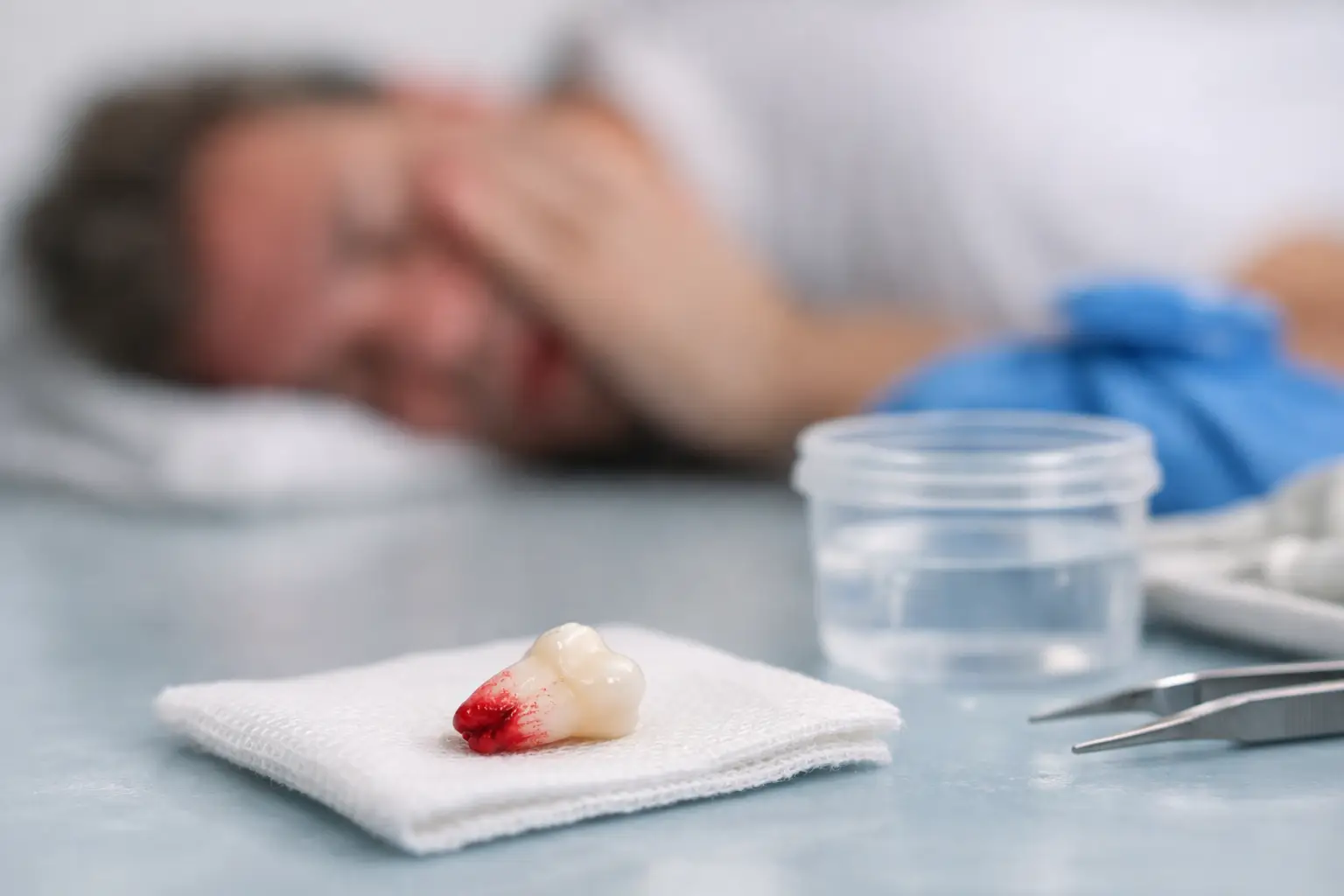

A cracked tooth during dinner, a child’s knocked-out tooth at practice, or facial swelling that worsens overnight can quickly turn into dental emergencies. Knowing what to do in the first few minutes can protect your comfort, reduce complications, and in some cases, improve the chance of saving a tooth.
The right next step depends on the problem. Some concerns need a same-day dental appointment, while others require a hospital emergency department first. If you are unsure, it is always reasonable to call a dental office for guidance rather than waiting to see whether pain or swelling settles on its own.
What counts as a dental emergency?
A dental emergency is a problem involving a tooth, gum tissue, jaw, or dental restoration that needs prompt professional attention to relieve severe symptoms, prevent infection, or avoid permanent damage. Not every sore tooth is an emergency, but pain, swelling, bleeding, trauma, and a lost permanent tooth should never be ignored.
Common reasons to seek urgent dental care include severe toothache, a broken or cracked tooth, a knocked-out or loose adult tooth, a lost filling or crown causing pain, an abscess or swollen face, and bleeding that does not stop. A broken denture, sharp orthodontic wire, or painful issue with a child’s tooth may also require timely care, particularly when eating, sleeping, or speaking is difficult.
A mild tooth sensitivity that comes and goes may be able to wait for a regular appointment. However, it can still be an early signal of decay, a crack, gum recession, or another issue worth checking. The key difference is whether symptoms are escalating, interfering with daily life, or accompanied by swelling, trauma, fever, or uncontrolled bleeding.
When to call 911 or go to the emergency department
Dental offices are equipped to treat many urgent mouth and tooth problems, but some symptoms need medical emergency care first. Call 911 or go to the nearest emergency department if there is trouble breathing or swallowing, swelling that is spreading quickly into the face or neck, heavy bleeding that will not stop, loss of consciousness, or a serious injury to the jaw or face.
A fever with significant facial swelling can indicate a spreading infection. Dental infections are treatable, but they should not be managed by waiting, using leftover medication, or relying only on pain relievers. Once breathing, swallowing, or general health is affected, immediate medical assessment is the safest choice.
What to do for common dental emergencies
Severe tooth pain
Rinse gently with warm water and carefully floss around the painful tooth. Occasionally, trapped food can cause sudden gum irritation and pressure. If nothing comes out or the pain remains severe, contact a dentist for an urgent appointment.
A cold compress on the outside of the cheek may help reduce discomfort and swelling. Over-the-counter pain medication can be used as directed on the label if it is safe for you, but do not place aspirin, crushed tablets, alcohol, or numbing products directly on the gum. These can burn the soft tissue and make the situation worse.
Severe pain may be caused by deep decay, a cracked tooth, an exposed nerve, infection, or gum disease. The goal of emergency treatment is not simply to mask the pain. It is to identify the source and provide the appropriate repair, drainage, restoration, or treatment plan.
A chipped, cracked, or broken tooth
Save any tooth pieces you can find and rinse your mouth with warm water. If there is bleeding from the area, apply gentle pressure with clean gauze. A cold compress can help with swelling after an injury.
A small chip may not hurt, but it can leave a sharp edge that irritates the tongue or cheek. A deeper crack can expose sensitive inner layers of the tooth or allow bacteria to enter. Avoid chewing on that side until a dentist examines it. The treatment could be as straightforward as smoothing or bonding the tooth, or it may involve a filling, crown, or root canal depending on how deep the damage extends.
A knocked-out permanent tooth
Time matters when an adult tooth has been completely knocked out. Pick it up by the crown, which is the chewing surface, not the root. If it is dirty, rinse it briefly with milk or clean water without scrubbing it.
If possible, gently place the tooth back into its socket and have the person bite softly on gauze to keep it in place. If that is not possible, keep the tooth moist in a container of milk or in the person’s mouth beside the cheek if they are old enough not to swallow it. Seek emergency dental care immediately.
Do not try to put a baby tooth back into the socket. Replanting a primary tooth can harm the developing adult tooth beneath it. Call a dentist promptly so the area can be assessed and your child can be kept comfortable.
A loose or displaced tooth
A tooth that has shifted after a fall, sports injury, or impact needs urgent assessment even if it has not fallen out. Do not force it back into position. Avoid biting down on it, use a cold compress if needed, and arrange prompt dental care. Stabilizing a tooth early can make a meaningful difference.
Swelling, a gum bump, or suspected abscess
Swelling around a tooth or gum, a pimple-like bump on the gum, a bad taste in the mouth, or pain when biting can point to an infection. Contact a dentist the same day, especially if swelling is increasing. Rinse gently with warm salt water and use a cold compress on the outside of the face, but do not attempt to pop or drain a gum bump yourself.
Even if an abscess drains and pain temporarily improves, the infection still needs treatment. Without care, it can return or spread. Your dentist will determine whether the tooth can be treated and preserved or whether another approach is necessary.
A lost filling, crown, or bridge
A lost restoration is not always an immediate emergency, but it becomes urgent when the tooth is painful, sharp, broken, or exposed to temperature. Keep the crown or restoration if you have it, and bring it to the appointment. Avoid chewing sticky foods or hard foods on that side.
Do not use household glue to put a crown back on. It can damage the restoration, irritate the tooth, and make professional treatment more difficult. A dentist can assess whether the restoration can be re-cemented or if the tooth needs additional repair.
Dental emergencies in children
Children are active, and dental injuries can happen at school, on the playground, or during sports. Stay calm, as your response helps your child feel safer. Check for signs of a head injury, severe bleeding, or difficulty breathing first. If those are present, seek medical emergency care.
For a chipped or injured tooth, rinse the mouth, save any pieces you find, and call a dentist. If a baby tooth is pushed inward, loose, or painful after a fall, it still deserves prompt attention even though it will eventually be replaced. A dentist can check for injury to the gums, jaw, and developing adult teeth.
For preventable sports injuries, a properly fitted mouthguard is a practical investment. It cannot prevent every accident, but it can reduce the risk of broken or knocked-out teeth during contact and high-impact activities.
Preparing for an urgent dental visit
When you call about dental emergencies, be ready to describe when the problem started, where the pain or swelling is located, whether there was an injury, and whether you have fever, bleeding, or difficulty swallowing. If a tooth or restoration has come out, bring it with you as directed.
It also helps to have a list of medications, allergies, and relevant health conditions available. If you have dental insurance or CDCP coverage, bringing your information can make the administrative side more straightforward, but do not delay urgent care because you are uncertain about coverage.
At Prime Smile Dental Clinic, urgent dental appointments are approached with the same patient-first focus as routine family care: assess the concern, relieve discomfort where possible, explain the treatment options clearly, and help you plan the next step.
Do not wait for the pain to become unbearable
People often postpone care because discomfort seems manageable, a busy schedule gets in the way, or they hope the problem will disappear. Unfortunately, dental pain rarely improves permanently without addressing its cause. A small crack can deepen, decay can reach the nerve, and a localized infection can become more serious.
If you have sudden pain, swelling, trauma, or a damaged tooth, act early. Prompt care can often mean a simpler repair, less discomfort, and a faster return to eating, speaking, and smiling with confidence.