The toothbrush is out, your toddler has suddenly become very busy, and bedtime is already running late. If you are trying to brush toddler teeth through a tightly closed mouth or a protest worthy of an Oscar, you are not alone. The goal is not a perfect two-minute performance every night. It is a calm, consistent routine that removes plaque and helps your child learn that brushing is simply part of the day.
Toddler teeth may be small, but they can develop cavities quickly. Regular brushing protects those first teeth, supports comfortable eating and speaking, and builds habits that carry into school years. A few practical adjustments can make the routine easier for both of you.
When to start brushing toddler teeth
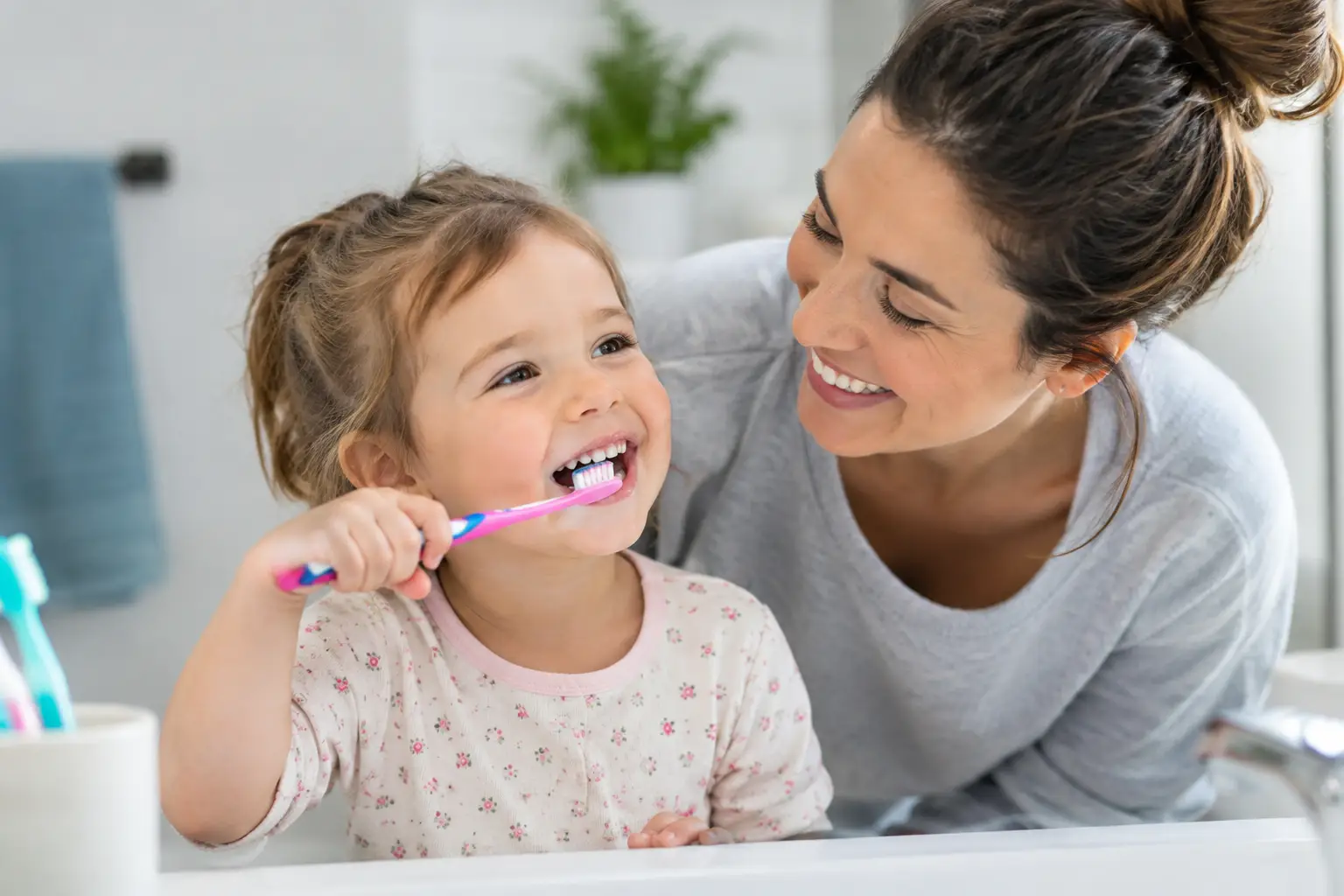
Start cleaning your child’s mouth before the first tooth appears by gently wiping the gums with a clean, damp cloth. Once a tooth comes through, use a small, soft-bristled children’s toothbrush twice a day: after breakfast and before bed.
Even baby teeth need protection. They hold space for adult teeth, help children chew and speak clearly, and contribute to a healthy developing bite. Cavities in primary teeth can be painful and may make a child wary of eating, sleeping, or dental visits.
Bedtime brushing deserves extra attention because food residue and sugary drinks can remain on teeth overnight. After brushing, water is the best choice if your child asks for a drink. Milk, juice, sweetened beverages, and frequent snacks after brushing give cavity-causing bacteria another opportunity to feed.
Use the right amount of fluoride toothpaste
For most children, fluoridated toothpaste is a useful part of cavity prevention. The amount matters because toddlers are still learning to spit and may swallow what is on the brush.
For children under age three, use no more than a smear of toothpaste – about the size of a grain of rice. From ages three to six, a pea-sized amount is appropriate. Place it on the brush yourself, keep the tube out of reach, and supervise brushing closely.
You do not need to rinse your child’s mouth after brushing. Encourage them to spit out what they can, then leave the small amount of fluoride on the teeth. If your toddler cannot spit yet, use the recommended tiny amount and continue to supervise. If you are unsure which toothpaste is right for your child, a dentist can give advice based on their age and cavity risk.
A simple technique works best
Toddlers do not need an elaborate brushing method. Use gentle, small circles along the gumline and tooth surfaces, cleaning the fronts, backs, and chewing surfaces. Aim for about two minutes in total, but do not let the timer become the source of a nightly struggle. Thorough, parent-assisted brushing is more valuable than a rushed attempt to meet an exact number.
Your child can hold a toothbrush and practise first, which builds independence. Then let an adult do the final clean. Young children do not yet have the hand control to brush effectively on their own. Most need hands-on help until around age seven or eight, when they can reliably write neatly and manage the brushing motion.
When two teeth touch, plaque can hide where the toothbrush cannot reach. Floss those contact points once a day. It may not be necessary between every toddler tooth at first, but it becomes more relevant as spaces close together, especially between the back teeth.
Make the position work for you
The right position can turn a difficult task into a manageable one. Some toddlers do best sitting on a parent’s lap with their head resting against the parent’s chest. Others are more cooperative lying back on a bed or changing table, where you can see their teeth clearly.
In the bathroom, try standing behind your child and gently tipping their head back against you. This gives you the same view they have at a dental appointment and avoids trying to brush from directly in front of a moving face. Choose the position that feels secure, comfortable, and safe for both of you.
How to reduce brushing resistance
Toddlers often resist because they want control, dislike the sensation, feel tired, or have learned that protest delays bedtime. A predictable routine helps more than a lengthy negotiation. Keep the steps in the same order each night: pajamas, toilet, teeth, story, bed. When brushing is expected rather than presented as a question, there is less room for a power struggle.
Offer small choices that do not change the outcome. Your child can choose between two toothbrush colours, pick the song you sing, or decide whether to brush their own teeth before you take a turn. Avoid asking, “Do you want to brush?” when brushing still needs to happen.
A cheerful song, a short timer, or a favourite stuffed animal “brushing” alongside them can help. Some children respond well to looking in a mirror. Others become overstimulated by it. It depends on your child, so keep what makes the routine easier and drop what creates more distraction.
Try to stay matter-of-fact if your child cries or pulls away. You can acknowledge the feeling while holding the boundary: “You do not like brushing right now. I will help you get your teeth clean.” Avoid turning brushing into a punishment or a prolonged argument. A calm, brief routine repeated daily usually becomes less dramatic with time.
Common toddler brushing problems
If your child bites the toothbrush, avoid pulling it out quickly. Pause, gently ask them to open, and try again from a different angle. A soft brush with a small head is easier to manoeuvre and more comfortable around sensitive gums.
Teething can make brushing feel unpleasant. Keep using a gentle brush, but be extra soft around sore areas. A cool, clean washcloth for the gums before brushing may provide temporary comfort. If your child has persistent pain, swelling, fever, facial swelling, or refuses to eat and drink, contact a dental professional or seek urgent medical advice as appropriate.
Vomiting after brushing can happen if the brush reaches too far back in the mouth, the toothpaste flavour is overwhelming, or brushing begins immediately after a large meal. Use a smaller brush, clean only as far back as you can comfortably reach, and consider a milder toothpaste flavour. If gagging or vomiting is frequent, mention it at your child’s dental visit.
Avoid using sugary rewards to get through brushing. A sticker chart, an extra bedtime story, or enthusiastic praise may be more helpful than treats. The long-term aim is for brushing to feel ordinary, not like a task that always requires a prize.
Food and drink habits matter too
Brushing is essential, but it cannot fully offset frequent sugar exposure. It is the number of times teeth are exposed to sugars and acids throughout the day that can raise cavity risk. Offer sweet foods with meals rather than grazing on them, and make water the regular between-meal drink.
Juice, even when labelled 100 percent juice, contains natural sugars and can be hard on teeth when sipped often. Sticky snacks can linger in grooves and between teeth. You do not need to make every food decision perfect. A realistic family routine that includes regular meals, water, and dependable bedtime brushing is more sustainable than strict rules no one can maintain.
When your toddler should see a dentist
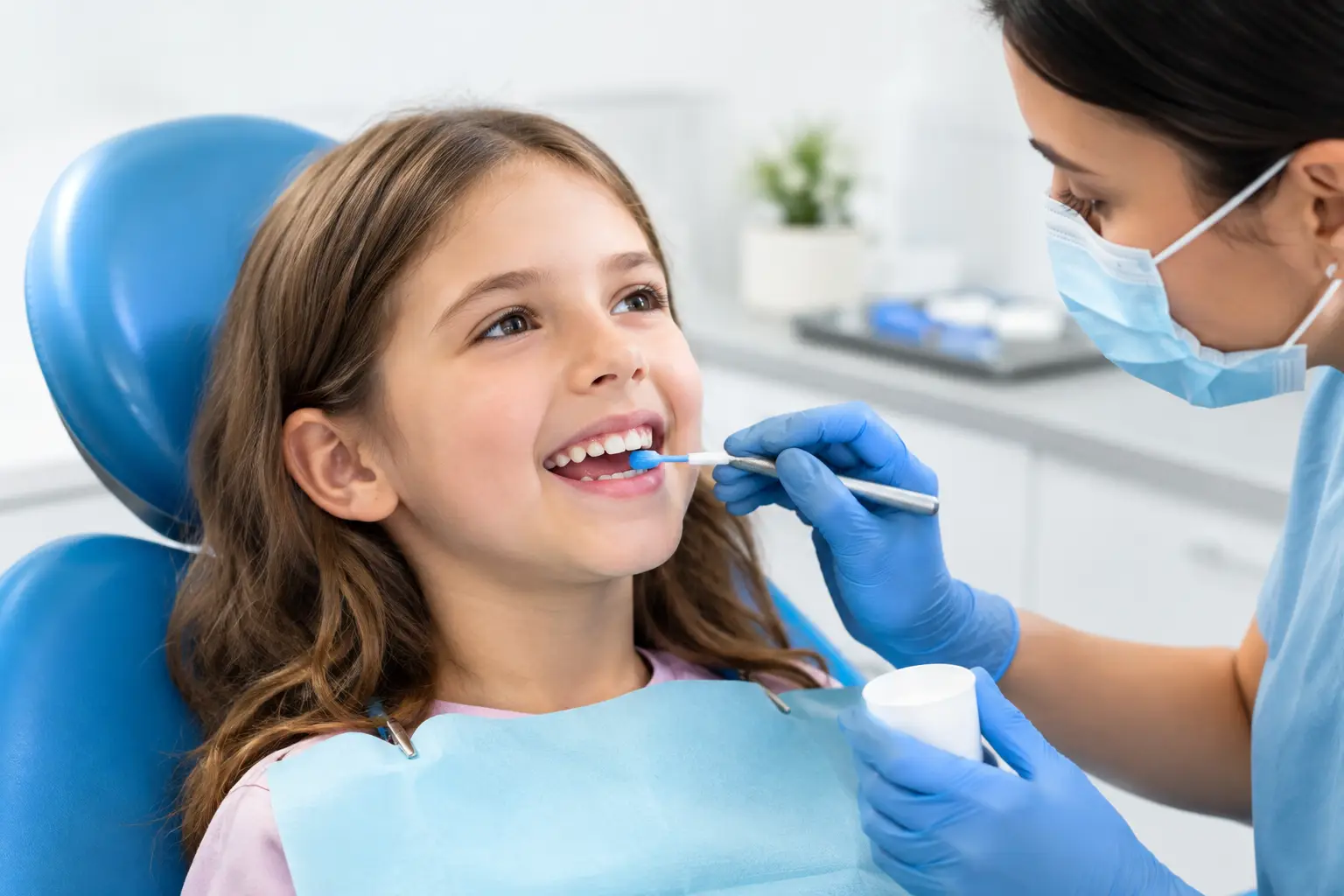
A child should have a first dental visit by their first birthday, or within six months of the first tooth appearing. Early visits are usually straightforward and gentle. They let the dental team check tooth development, look for early signs of decay, review brushing, and help your child become familiar with the setting before treatment is ever needed.
Book sooner if you notice white or brown spots on teeth, a chipped tooth, bleeding gums that continue despite gentle brushing, bad breath that does not improve, tooth pain, or swelling. Do not wait for a regular checkup if your child has a dental injury, significant pain, facial swelling, or a loose tooth after a fall.
At Prime Smile Dental Clinic, children’s visits are designed to give parents practical guidance and help little ones build confidence at their own pace. A short appointment can answer questions about fluoride, flossing, thumb sucking, pacifiers, and any areas that are difficult to keep clean.
The best brushing routine is the one your family can repeat, even on rushed mornings and tiring evenings. Start small, stay consistent, and let each successful night show your toddler that caring for their smile is a normal, safe part of growing up.