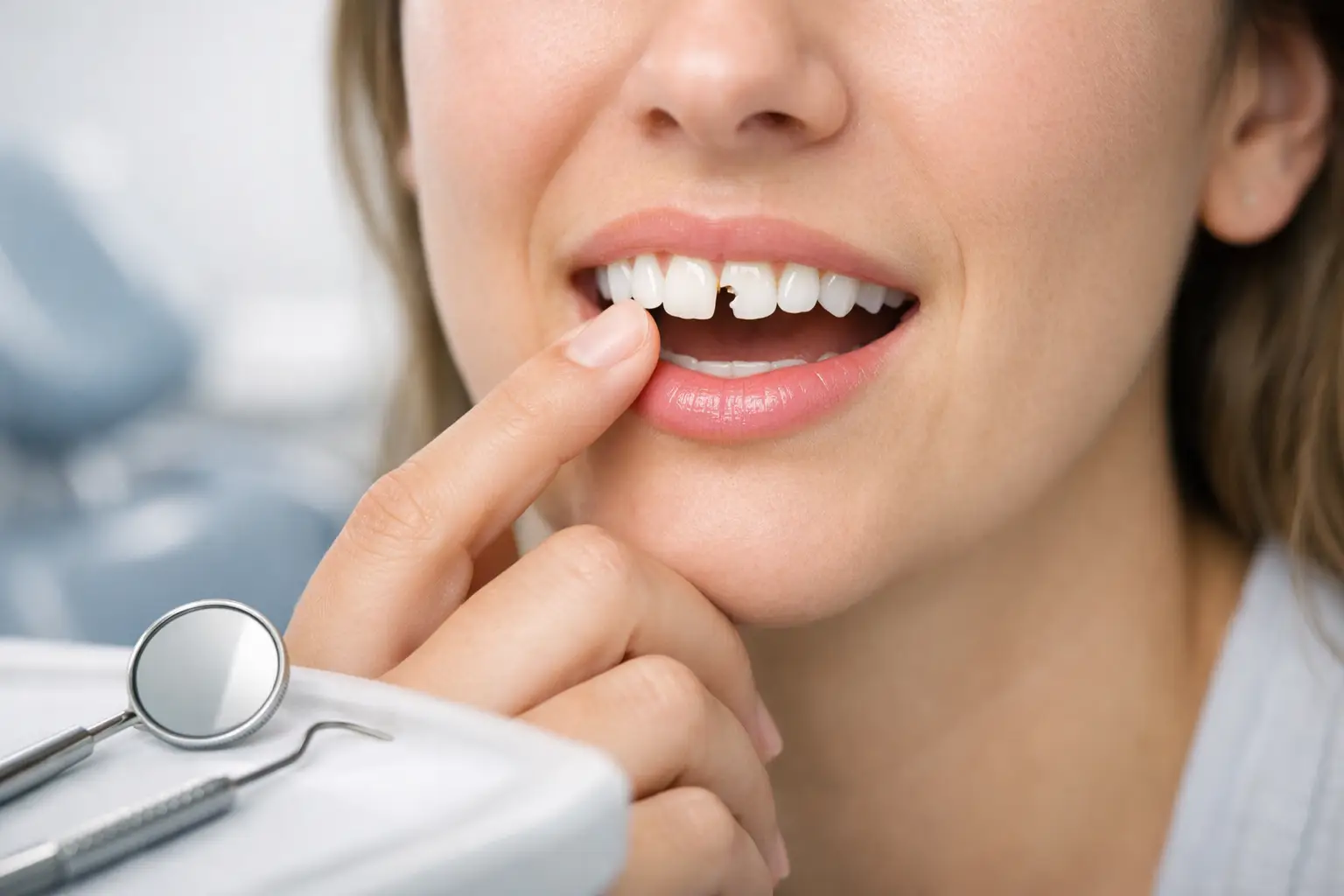
A chipped tooth can happen in a second – while biting an olive pit, taking a fall, playing hockey, or discovering that a hard candy was harder than expected. If you are searching for how to treat chipped tooth damage, the first priority is simple: protect the tooth, manage discomfort, and arrange a dental assessment before a small problem becomes a larger repair.
Some chips are mainly cosmetic, while others expose sensitive inner tooth layers or signal a deeper crack. Even when there is no pain, a sharp edge can irritate your tongue or cheek, and a damaged tooth is more vulnerable to further breakage. Prompt, calm care can make treatment more straightforward.
How to Treat a Chipped Tooth Right Away
Start by rinsing your mouth gently with warm water. This clears away small fragments and helps you see whether the area is bleeding. If you find the broken piece of tooth, place it in a clean container with milk or saliva and bring it to your appointment. In some cases, your dentist may be able to reattach it.
For swelling from an impact, hold a cold compress against the outside of the cheek for short intervals. If the tooth has a sharp edge, dental wax from a pharmacy can cover it temporarily. Sugar-free gum may work in a pinch, but only as a short-term measure until you can be seen.
Until your appointment, avoid chewing on that side of your mouth. Choose softer foods such as soup, yogurt, eggs, pasta, or cooked vegetables, and avoid very hot, very cold, sweet, crunchy, or sticky foods if the tooth feels sensitive. Continue brushing, but use a soft toothbrush and be gentle around the damaged area.
Do not try to file the tooth yourself or use household glue to repair it. These products are not safe for use in the mouth and can make professional treatment more difficult. Over-the-counter pain medication may help if it is appropriate for you, but follow the package directions and speak with a pharmacist or healthcare provider if you have questions about medications or medical conditions.
When a Chipped Tooth Needs Urgent Dental Care
A minor chip without pain may be able to wait for the next available dental appointment, but it should still be checked. Call for prompt care if the tooth is painful, sensitive to temperature, loose, visibly cracked, or has a large piece missing. A tooth that looks pink, red, or dark in the centre may have exposed pulp, the living tissue inside the tooth.
Seek urgent dental advice after an injury to the face, especially if there is swelling, a cut to the lip or gums, a bite that suddenly feels uneven, or more than one damaged tooth. Children should be assessed promptly after a dental injury, including injuries to baby teeth. The approach depends on the child’s age, the tooth involved, and whether the developing adult tooth may be affected.
Go to an emergency department if an injury includes heavy bleeding that will not stop, difficulty breathing or swallowing, a suspected broken jaw, loss of consciousness, or other serious facial trauma. Dental care is the right place for many tooth injuries, but your overall safety comes first.
What Your Dentist Will Check
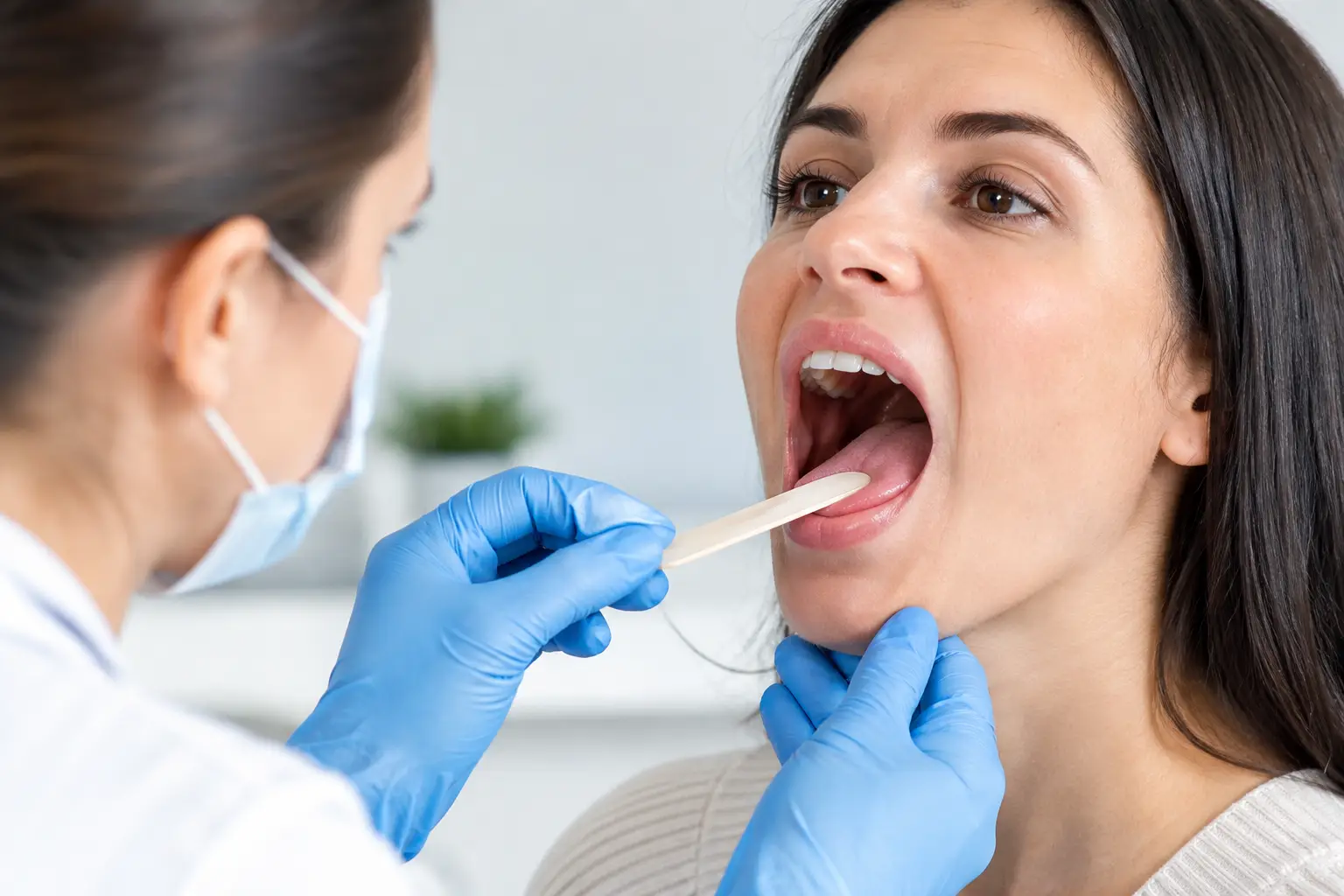
A chip does not always show the full picture. During your visit, the dentist will examine the tooth, nearby teeth, gums, and bite. X-rays may be recommended to check the root, bone, and areas of damage that are not visible from the outside.
The goal is not simply to smooth what you can see. Your dentist will determine whether the chip is limited to enamel, reaches the dentin beneath it, or involves the pulp. They will also look for cracks that can spread over time, particularly after a blow to the mouth or a hard bite.
This assessment helps prevent a common frustration: repairing a tooth cosmetically, only to discover later that an untreated crack or nerve injury needed more care. The right treatment depends on how much healthy tooth structure remains, where the chip is located, your bite, and your long-term goals for the tooth.
Treatment Options for a Chipped Tooth
For a very small enamel chip, smoothing and polishing the edge may be all that is needed. This can remove a rough spot that catches on your tongue or alters the look of the tooth, often in one visit.
Dental bonding is a common option for small to moderate chips, especially on front teeth. Your dentist applies a tooth-coloured composite resin, shapes it to blend with the natural tooth, and hardens it with a special light. Bonding is conservative because it usually preserves more of your natural tooth than other cosmetic options. It can chip or stain over time, however, so it may need maintenance or replacement eventually.
A filling may be recommended when the missing area is on a back tooth or when decay has weakened the tooth. For a larger visible chip, a porcelain veneer can improve the appearance of the front surface of a tooth. Veneers can produce a highly natural-looking result, but they are a more involved cosmetic treatment and usually require some alteration of the tooth surface.
When a large portion of the tooth has broken away, a dental crown may offer stronger, full-coverage protection. Crowns are often considered when the tooth has a major crack, extensive old fillings, or insufficient remaining structure for bonding alone to last. The trade-off is that crown treatment is more extensive than a small bonded repair.
If the chip exposes or damages the pulp, root canal treatment may be needed to save the tooth before it is restored with a filling or crown. This can sound intimidating, but treating the infection or inflammation inside the tooth can relieve pain and help preserve your natural tooth.
Can You Leave a Chipped Tooth Untreated?
Sometimes a tiny, painless chip is not an emergency. Still, it is wise to have it examined rather than assuming it is harmless. A rough edge can continue to wear your cheek, and a weak point in the enamel can become a larger fracture with normal chewing.
Sensitivity is another reason not to wait too long. When dentin is exposed, hot, cold, and sweet foods can trigger discomfort. Bacteria may also gain easier access to the deeper parts of the tooth. Early treatment is often less complex than waiting until pain, infection, or additional breakage develops.
Preventing Another Chip
If the chip happened during sports, a custom-fitted mouthguard can help protect teeth during contact and high-impact activities. If you clench or grind your teeth, particularly at night, ask whether a nightguard could reduce pressure on worn or weakened teeth.
Avoid using your teeth as tools to open packaging, cut tape, or crack nuts. It is also helpful to be cautious with ice, popcorn kernels, hard candies, and foods with hidden pits or bones. Regular examinations allow your dentist to identify worn fillings, cracks, and bite issues before they lead to a more noticeable break.
Booking Care Should Feel Manageable
A chipped tooth can be unsettling, particularly when it affects your smile or a child is in pain. At Prime Smile Dental Clinic, patients in Aurora can arrange care for urgent concerns as well as ongoing restorative and cosmetic treatment. The team can explain what is happening, discuss suitable repair options, and help make the appointment and insurance process feel organized.
If you have dental insurance or are using the Canadian Dental Care Plan, bring your coverage information to your visit so the team can help clarify the administrative steps. Coverage and eligibility vary, so it is best to confirm details before treatment where possible.
The most helpful next step is not to wait for the edge to worsen or the tooth to become painful. Protect the area today, then book a dental assessment so you can eat, speak, and smile comfortably again.