
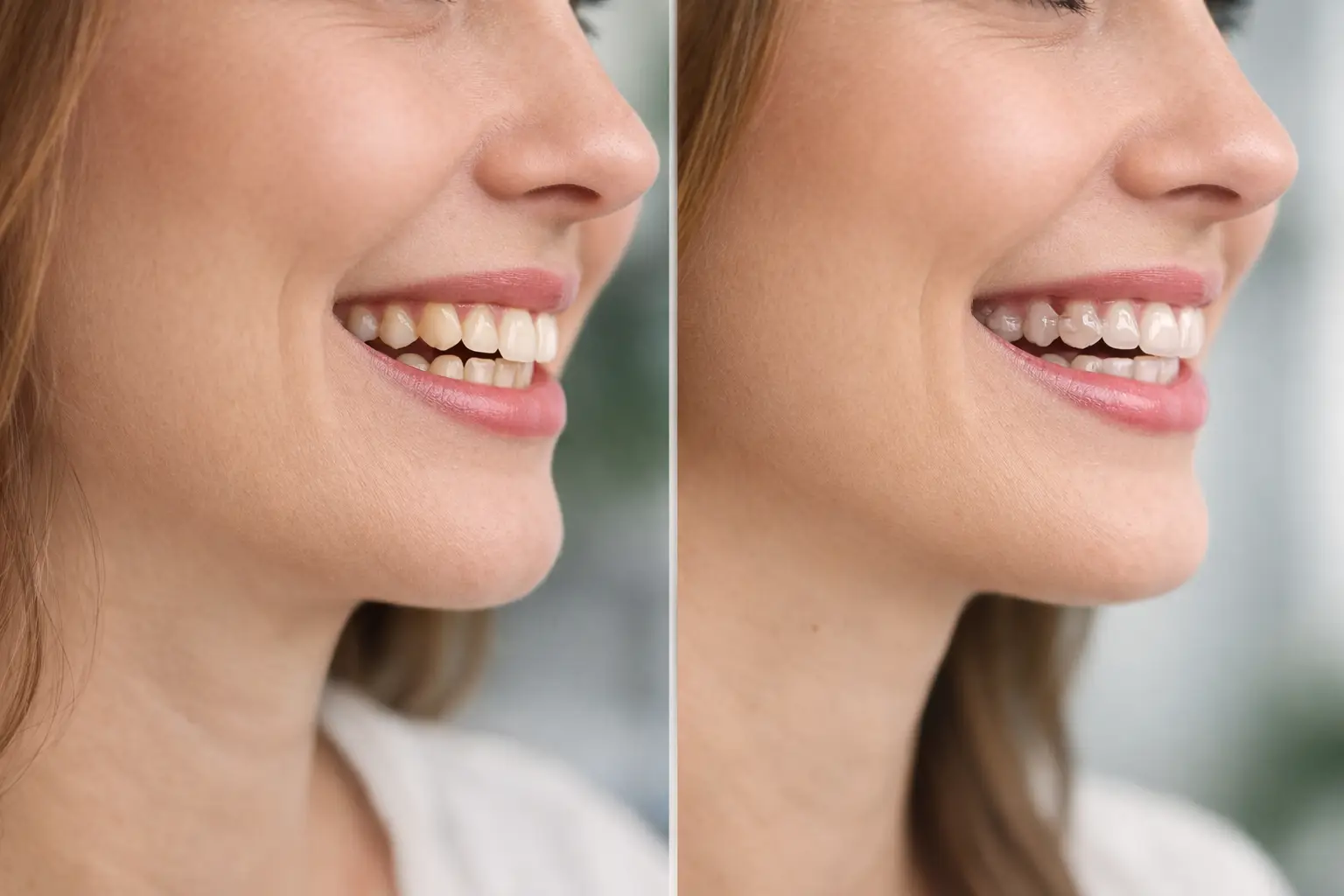
A crowded lower tooth that catches food, a small gap that shows in photos, or front teeth that no longer meet comfortably can make people start searching for Invisalign treatment before after results. The most useful way to look at those changes is not as a promise of a perfect smile, but as a picture of what careful planning and consistent aligner wear may achieve for your own teeth.
Clear aligner treatment is designed around your bite, tooth positions, gum health, and goals. Two people may begin with similar-looking crowding and have very different treatment plans. A consultation gives you a clearer answer than a gallery image ever can.
What Invisalign treatment before after results can show
Before treatment, the focus is usually on the concerns you notice day to day. Teeth may overlap, rotate, sit too far forward, or have spaces between them. Some patients are mainly interested in appearance. Others are concerned about bite pressure, cleaning around crowded teeth, or the way their teeth meet when they chew.
After treatment, many patients notice straighter tooth alignment, more even spacing, and a smile that feels more balanced. When appropriate for the case, aligners can also improve certain bite concerns. The goal is to move teeth into healthier, more functional positions while also improving the appearance of the smile.
Photos can be helpful because they show changes that are easy to miss when you see your own smile every day. Still, they do not reveal everything. They cannot show whether a patient wore aligners as directed, needed attachments, had refinements, or was a suitable candidate for clear aligners in the first place. A good before-and-after discussion should include those practical details.
The changes may be gradual
Clear aligners move teeth in small planned stages. It is common to see early changes in the first few months, particularly in the front teeth, but the timeline varies. Rotated teeth, significant crowding, spaces, and bite corrections can take longer to address.
The final stage is not simply the day the last aligner comes out. Once active movement is complete, retainers help hold teeth in their new positions. This is a key part of protecting the result.
What happens before Invisalign treatment begins
A healthy foundation matters. Before starting aligner treatment, your dentist will assess your teeth, gums, bite, and overall oral health. Active decay, gum inflammation, or other concerns may need treatment first. Moving teeth without addressing those issues can make care more complicated.
Your appointment may include digital scans, photographs, and X-rays where needed. These records help create a detailed treatment plan and allow you to see a simulation of the proposed tooth movement. The simulation is useful for understanding the plan, but it is a clinical guide rather than a guarantee. Teeth respond differently from person to person, and adjustments may be needed as treatment progresses.
Some cases need small tooth-coloured attachments. These are discreet shapes placed on selected teeth to give aligners a better grip for specific movements. Patients are sometimes surprised to learn about them after seeing very smooth-looking aligners online, but attachments are common and can make treatment more predictable.
In some situations, minor enamel contouring between teeth may be recommended to create room for movement. Your dentist should explain why it is being considered, what it involves, and whether there are alternatives.
Is Invisalign right for every smile concern?
Invisalign clear aligners can be an effective option for many teens and adults, including patients with mild to moderate crowding, gaps, some rotated teeth, and certain bite concerns. They are removable, which makes brushing, flossing, and eating more familiar than with fixed braces.
However, removable treatment comes with responsibility. Aligners generally need to be worn about 20 to 22 hours a day. Taking them out frequently or leaving them out for long stretches can delay progress and affect fit. For someone who knows a busy schedule will make consistent wear difficult, fixed braces or another approach may be more suitable.
Complex bite concerns, significant jaw discrepancies, heavily tipped teeth, or dental restorations can also affect whether clear aligners are the best option. The right recommendation depends on clinical findings, not on how appealing an aligner looks in a before-and-after photo.
For younger patients, growth, eruption patterns, and daily wear habits are all part of the conversation. Parents should feel comfortable asking how treatment will fit around school, sports, meals, and oral hygiene routines.
During treatment: the habits that shape the after photo
The most impressive Invisalign treatment before after results usually reflect more than the aligners themselves. They also reflect steady daily habits. Aligners should be removed for meals and for anything other than water. After eating, brushing before putting them back in is ideal, especially after sugary or strongly coloured foods and drinks.
Regular brushing, flossing, and routine dental hygiene visits remain important throughout treatment. Because aligners sit closely over the teeth, plaque and food debris can be held against enamel if teeth are not cleaned well. Good home care helps protect against cavities, gum irritation, and staining.
Keep aligners in their case whenever they are out of your mouth. Many lost aligners are accidentally wrapped in a napkin at a restaurant or misplaced during a busy workday. If an aligner is lost, cracked, or no longer fits properly, contact your dental team promptly rather than guessing what to do next.
Appointments during treatment allow your dentist to check that teeth are tracking as expected, review fit, and address concerns early. Depending on the plan, you may move to a new set of aligners at scheduled intervals. Some patients also need a refinement stage after the initial series. Refinements are additional aligners used to improve the final result and are not necessarily a sign that treatment has gone wrong.
How long does treatment take?
Treatment time depends on the movements required and how consistently aligners are worn. Straightforward cases may take several months, while more involved correction can take a year or longer. The initial consultation is the right time to ask about the expected timeline, appointment schedule, and what may extend treatment.
The best way to stay on track is simple: wear aligners as prescribed, change them only as directed, attend progress visits, and let your dental team know about fit issues. Trying to rush ahead to the next tray can be as unhelpful as wearing aligners inconsistently.
The after stage: retainers protect your investment
Teeth can shift throughout life, even after orthodontic treatment. Retainers are therefore part of the treatment plan, not an optional extra at the end. Your dentist will recommend a retainer schedule based on your situation. Many patients begin with more frequent wear and then transition to night-time wear for long-term maintenance.
Retainers should be cleaned regularly and stored safely. If one becomes loose, damaged, or lost, arrange an appointment rather than waiting for teeth to move. A prompt replacement can help preserve the result you worked toward.
Questions worth asking at your consultation
A clear conversation helps you make a confident decision. Ask what concerns aligners can realistically address, how long your case may take, whether attachments or refinements are likely, and what retainer care will involve. It is also reasonable to ask about costs, insurance coverage, payment options, and how appointments can fit around work and family schedules.
At Prime Smile Dental Clinic, patients can discuss Invisalign alongside their routine dental needs in one familiar setting. That means your dentist can consider your smile goals while keeping preventive care and long-term oral health in view.
A good after result is one that still looks like you, feels comfortable, and is supported by healthy teeth and gums. If you are considering clear aligners, a personalized assessment can turn online inspiration into a practical plan for your smile.