A child’s first dental visits can shape how they feel about oral health for years. When choosing a pediatric dentist in Aurora, Ontario, parents are often looking for more than a cleaning. They want a calm experience, clear advice, convenient appointment options, and a team that understands children do best when they feel safe and included.
Kids’ dentistry is built around prevention, early detection, and age-appropriate support. Regular visits help children become familiar with the dental office before there is a problem, while giving parents practical guidance on brushing, eating habits, fluoride, and changing dental needs.
What a Pediatric Dentist in Aurora, Ontario Can Help With
Children’s mouths change quickly. A baby’s first tooth, a preschooler learning to brush, a school-aged child with a loose tooth, and a teen beginning orthodontic treatment all need a slightly different approach. A family dental clinic that provides children’s care can support those changes while making routine visits easier to manage alongside the rest of the family’s dental needs.
At a child’s visit, the dental team may check how teeth are erupting, look for early signs of cavities, assess gums, review brushing and flossing habits, and monitor bite development. These appointments are also a chance to discuss concerns that may seem small but can matter over time, such as thumb sucking, mouth breathing, tooth sensitivity, crowded teeth, or frequent snacking.
The goal is not to make every child sit through a long or complicated appointment. The goal is to meet them where they are. Some children are chatty and curious, while others need time to watch, ask questions, or sit with a parent nearby. A patient-centred approach makes room for both.
When Should Your Child First Visit the Dentist?
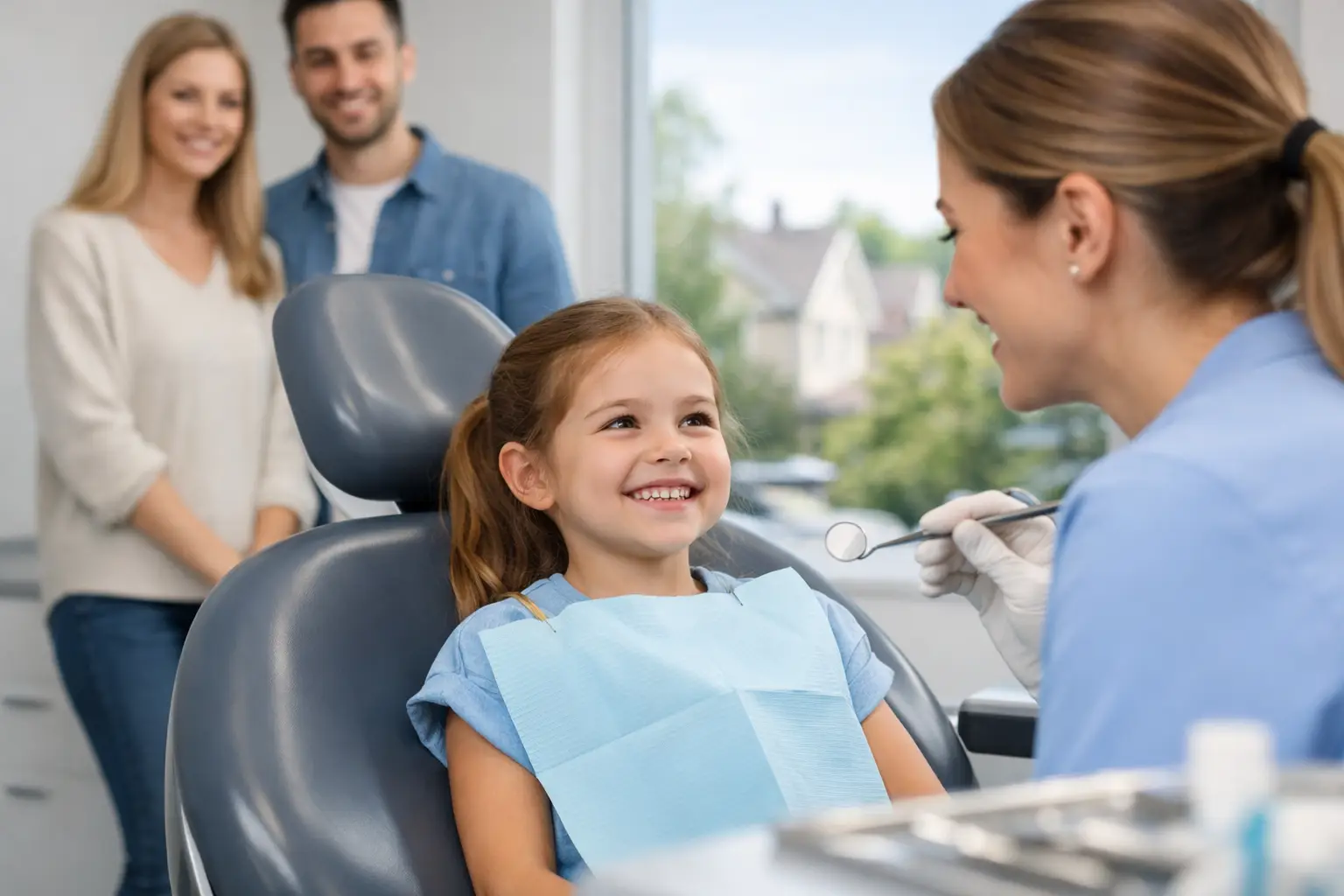
Many parents wait until all baby teeth have appeared, but an earlier visit can be helpful. A child should generally see a dentist around the time their first tooth comes in, or by their first birthday. That first appointment is often simple. It may focus on helping your child become comfortable, checking early tooth and gum development, and answering questions about home care.
After that, the recommended timing of checkups depends on your child’s oral health needs. Children with a history of cavities, enamel concerns, orthodontic changes, or difficulty brushing thoroughly may benefit from more frequent care. For other children, routine preventive appointments may be enough.
There is no advantage to waiting for pain before booking a visit. Tooth decay can develop quietly, particularly in the grooves of back teeth or between teeth that touch. Early care is usually simpler and more comfortable than treating a problem once it has progressed.
Making the First Visit Feel Easier
Parents do not need to prepare a perfect patient. In fact, keeping the visit low-pressure is often the best preparation. Use straightforward language: the dentist will count teeth, look at their smile, and help keep teeth strong. Avoid describing treatment your child may not need, especially with words that can create worry.
Choosing the right time of day also helps. If possible, book when your child is usually rested and not hungry. Bring a comfort item if it will make the visit feel more familiar, and let the team know ahead of time if your child has sensory sensitivities, medical needs, strong dental anxiety, or a previous difficult experience.
A good children’s dental visit is not measured by whether a child does everything perfectly. It is measured by progress. For one child, that may mean sitting in the chair and opening their mouth. For another, it may mean completing an examination and cleaning. Building trust can take more than one visit, and that is completely normal.
Prevention at Home Matters Most
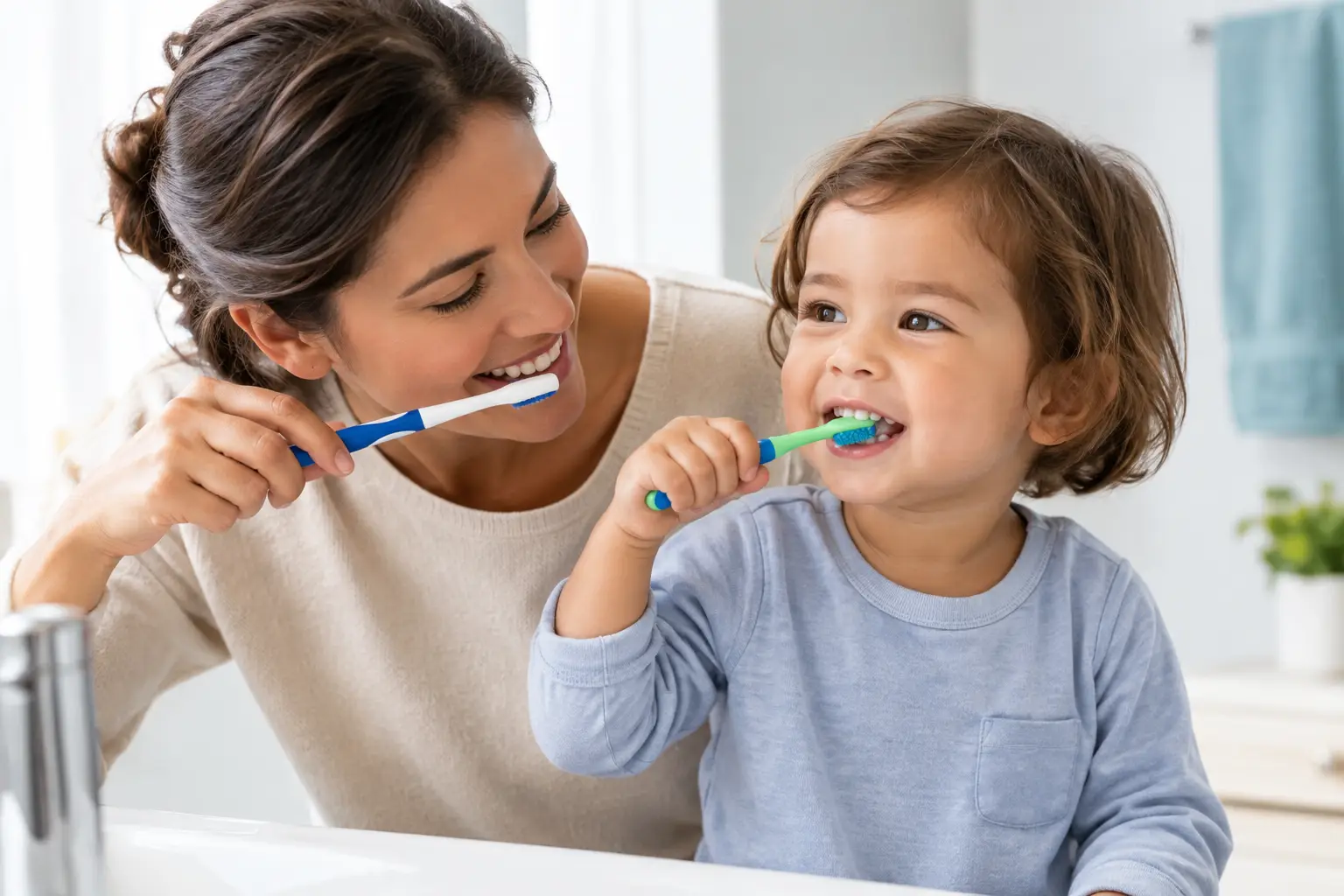
Professional care works best alongside consistent routines at home. Young children need hands-on help with brushing because they do not yet have the coordination to clean all tooth surfaces effectively. As they grow, parents can gradually let them take more responsibility while still checking the result.
Use a small, soft toothbrush and a rice-grain-sized smear of fluoride toothpaste for children under three. For children ages three to six, use a pea-sized amount and encourage them to spit out the toothpaste rather than swallow it. Once teeth are touching, flossing becomes part of the routine because a toothbrush cannot clean between those contact points.
Food and drink choices matter, but perfection is not required. Frequent exposure to sugar is usually more concerning than the occasional treat. Sipping juice, sweetened drinks, or sports drinks throughout the day gives cavity-causing bacteria repeated fuel. Water between meals, regular meals and snacks, and brushing before bed all make a meaningful difference.
Signs Your Child May Need a Prompt Appointment
Routine checkups are valuable, but some concerns should not wait for the next scheduled visit. Contact a dental clinic promptly if your child has:
- a toothache that lasts, worsens, or interrupts sleep;
- facial swelling, gum swelling, or a pimple-like bump near a tooth;
- a chipped, broken, loose, or knocked-out tooth after a fall or sports injury;
- bleeding that does not stop after applying gentle pressure; or
- sensitivity to hot or cold that continues after the food or drink is gone.
A dental injury can be upsetting, but acting quickly can make a difference. If a permanent tooth is knocked out, handle it by the crown rather than the root, keep it moist in milk or saliva if appropriate, and seek urgent dental guidance. Baby teeth require a different approach, so it is best not to try to force a baby tooth back into place.
Choosing a Clinic That Works for Your Family
Clinical care matters, but practical details matter too, especially for busy Aurora families. Look for a dental office that communicates clearly, offers appointments that fit school and work schedules, and can explain treatment options in plain language. When parents understand what is being recommended and why, decisions feel less stressful.
It can also be helpful to choose a clinic that can care for more than one family member. Having preventive care, fillings, emergency appointments, orthodontic consultations, and cosmetic or restorative treatment available in one place can reduce the need to coordinate multiple offices as your family’s needs change.
Ask how the office handles insurance and payment before treatment begins. Direct insurance billing can reduce paperwork, while acceptance of the Canadian Dental Care Plan may make care more accessible for eligible patients. Coverage and co-payments can vary, so it is still wise to confirm what your plan includes and ask for clarity about any expected out-of-pocket amount.
At Prime Smile Dental Clinic, children’s dentistry is part of a broader family-care approach, helping parents arrange preventive visits, address urgent concerns, and keep oral health on track without unnecessary administrative stress.
Supporting Healthy Habits as Children Grow
As children become more independent, the conversation shifts from doing the brushing for them to helping them understand why it matters. A timer, a favourite song, or brushing alongside a parent can make routines easier for younger children. Older children may need reminders about flossing, sports mouthguards, and the effect of frequent sugary drinks or acidic beverages on their teeth.
Teen years can bring new concerns, including crowding, wisdom teeth monitoring, orthodontic questions, and confidence about appearance. A dental team can help families understand whether observation, preventive care, or orthodontic treatment is appropriate. The right timing depends on tooth development and bite concerns, not just age.
A positive relationship with the dentist begins with small, manageable visits and grows through consistency. Booking care before discomfort appears gives your child time to learn that dental appointments are a normal part of staying healthy – and gives you a reliable place to turn when a question or urgent concern comes up.