A brighter smile can make a noticeable difference before a wedding, job interview, family photos, or simply when you look in the mirror. If you are considering teeth whitening Aurora Ontario, it helps to know what whitening can realistically change, how to do it safely, and why a dental assessment should come before choosing a product or treatment.
Whitening is not about creating an artificial-looking smile. The goal is usually to lift surface and deeper stains so your teeth look cleaner, fresher, and more like their natural shade. The right approach depends on your oral health, the type of discolouration you have, and the result you have in mind.
Why Teeth Change Colour
Teeth naturally vary in shade, and they often become darker or more yellow over time. Coffee, tea, red wine, dark berries, tobacco, and strongly coloured foods can leave stains on enamel. Even good brushing habits cannot always remove staining that has settled beneath the surface.
Age also plays a role. As enamel gradually becomes thinner, the naturally darker dentin underneath becomes more visible. Some discolouration is linked to medications, past trauma to a tooth, or changes that developed while teeth were forming. These causes do not all respond to whitening in the same way, which is one reason a professional conversation is useful before treatment.
Teeth Whitening in Aurora Ontario: Start With an Exam
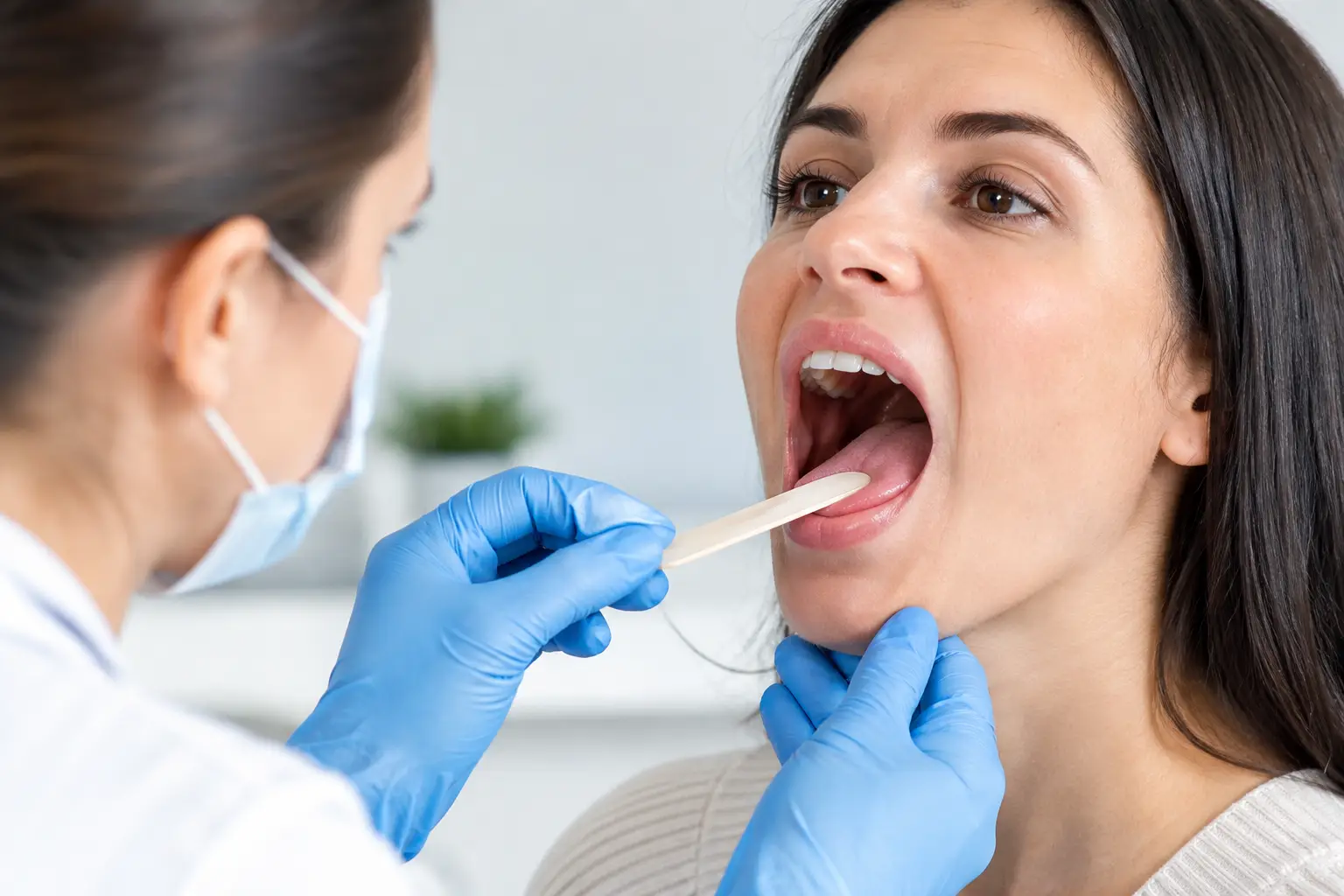
A whitening consultation is not just about selecting a shade. Your dentist first needs to make sure your teeth and gums are healthy enough for whitening. Untreated cavities, gum inflammation, cracked teeth, exposed roots, and leaking fillings can make whitening uncomfortable and may need attention first.
A professional exam also helps identify whether the colour is caused by removable surface staining, natural tooth shade, or a specific dental concern. For example, one dark tooth after an injury may require a different treatment than general yellowing across the smile.
For many patients, a dental hygiene appointment is a sensible first step. Removing plaque, tartar, and external stain can brighten teeth on its own and gives whitening products a cleaner surface to work on. If you have not had a checkup recently, starting with routine care can make the entire process more predictable.
Professional Whitening and Store-Bought Options
Over-the-counter whitening strips, toothpaste, pens, and kits can be appealing because they are easy to purchase. Some people see a modest improvement, particularly with mild surface stains. However, results can be uneven, and products with lower-strength ingredients may not make a significant difference for deeper discolouration.
Whitening toothpaste can help reduce new surface stains, but it does not usually change the internal colour of teeth. Many formulas work through gentle abrasives, so using them too aggressively or choosing a highly abrasive product without guidance may not be the best choice for sensitive teeth or enamel.
Professional whitening is planned around your smile, not a one-size-fits-all tray or strip. Dentist-supervised options may include custom-fitted take-home trays with whitening gel, or other professionally guided methods based on your needs. Custom trays help keep the gel in close contact with the teeth while reducing unnecessary contact with gum tissue.
The best option depends on your schedule, sensitivity history, starting shade, and desired timeline. A take-home approach can be convenient for busy adults and parents because treatment can fit around daily routines. A dental team can explain how long to wear the product, how much gel to use, and when to pause if sensitivity develops.
What Whitening Can and Cannot Change
Whitening can improve the colour of natural tooth enamel. It does not whiten crowns, veneers, bonding, fillings, or implants. This is especially important if you have a visible restoration on a front tooth, since whitening surrounding teeth could create a shade mismatch.
That does not mean cosmetic improvement is out of reach. It simply means treatment may need to be sequenced carefully. In some cases, natural teeth are whitened first, then an older visible restoration is replaced or updated to match the new shade. Your dentist can help you decide whether that makes sense for your goals and budget.
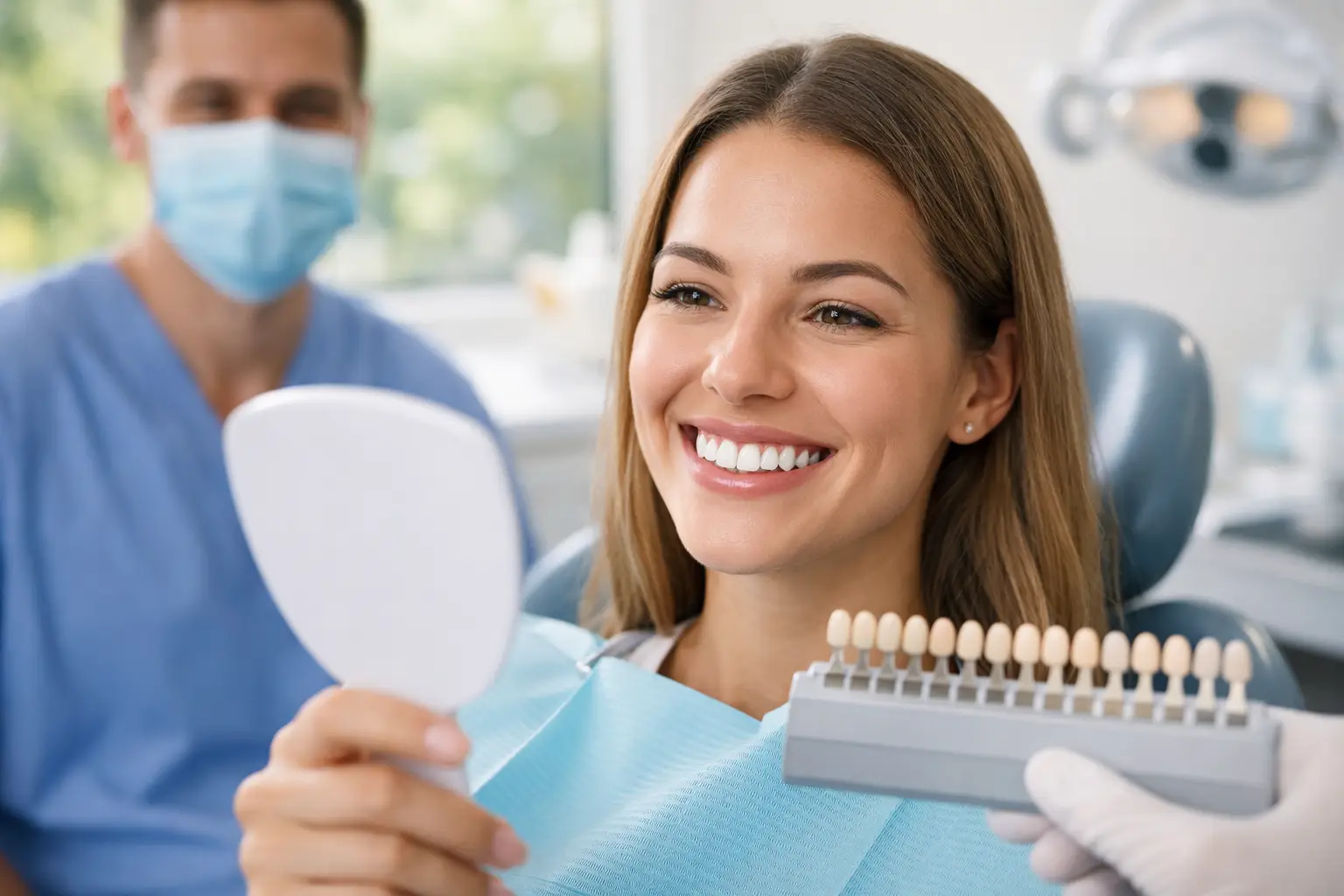
Results also vary from person to person. Yellow-toned teeth often respond well, while grey or brown discolouration may be more difficult to change. Photos and shade comparisons can help set a realistic target. A healthy, natural-looking improvement is generally a better goal than trying to achieve the brightest shade possible.
Managing Tooth Sensitivity
Temporary sensitivity is one of the most common concerns with whitening. It can feel like a brief sharp sensation, especially when drinking something cold. Most sensitivity is manageable and settles after treatment is adjusted or completed.
Let your dental team know if you have sensitive teeth, gum recession, or a history of discomfort with whitening products. They may recommend shorter application times, less frequent use, a sensitivity toothpaste, or a pause between sessions. Do not push through significant pain. Whitening should be a comfortable cosmetic treatment, not something you endure.
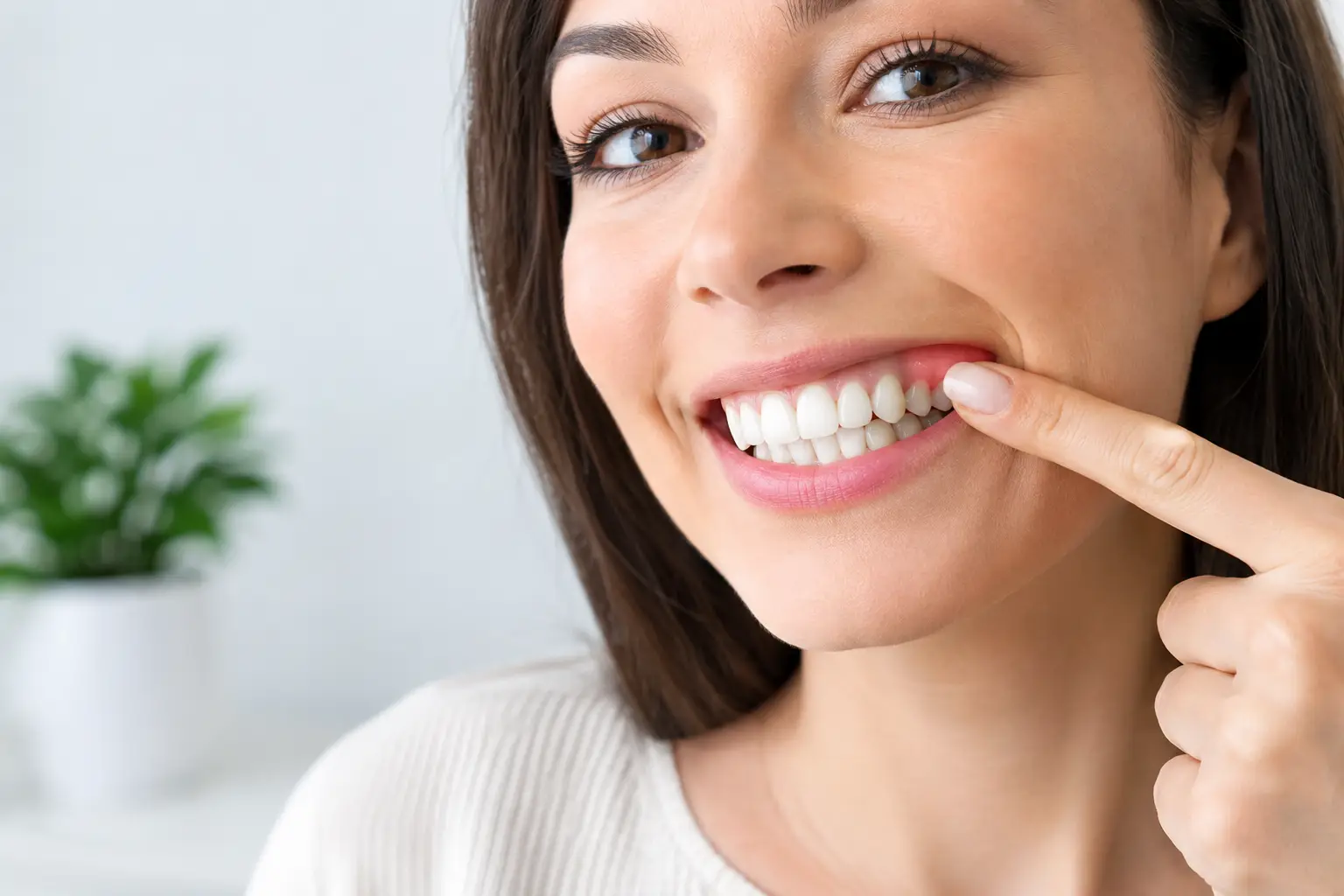
Gum irritation can happen when gel touches the gums or when a tray does not fit properly. This is another advantage of professional guidance and custom trays. Follow the instructions closely, and use only the recommended amount of gel. More product does not mean faster or better whitening.
Keeping Your Results Looking Fresh
Whitening results are not permanent, but simple habits can help them last longer. The first day or two after treatment can be a time when teeth are more likely to pick up colour, so your dental team may suggest limiting heavily pigmented foods and drinks during that period.
After that, consistency matters more than restriction. Brush twice daily with a fluoride toothpaste, clean between your teeth, and keep up with regular hygiene visits. If you enjoy coffee or tea, drinking water afterward can reduce the time staining substances remain on teeth. Using a straw for cold drinks may also help limit contact with front teeth.
Smoking or vaping can contribute to noticeable staining and may shorten the life of your whitening result. Reducing or stopping tobacco use supports both your smile and gum health.
Touch-up treatment may be appropriate over time, particularly for people who regularly drink coffee, tea, or red wine. The timing is individual. Rather than whitening continuously, ask your dentist when a touch-up would be safe and worthwhile for your smile.
When Whitening Should Wait
Whitening is generally a cosmetic option, so it can wait when more urgent dental needs are present. A toothache, broken tooth, swelling, bleeding gums, or a lost filling should be assessed before beginning cosmetic treatment. Addressing the source of discomfort protects your oral health and helps avoid complications.
Children and teens may need a different approach because their teeth and dental development are still changing. Pregnant or breastfeeding patients should discuss timing with their healthcare and dental providers before elective whitening. If you are unsure whether whitening is right for you, a consultation offers straightforward answers without pressure.
At Prime Smile Dental Clinic, we can help Aurora patients look at whitening as part of an overall smile plan, whether that begins with a cleaning, restorative care, or a cosmetic discussion. Direct insurance billing and CDCP support can help make routine dental care easier to organize, although cosmetic whitening is not typically covered by public or private dental plans.
A brighter smile is most satisfying when it starts with healthy teeth and gums. Book a dental visit when you are ready to discuss your options, ask questions about sensitivity or existing dental work, and choose a whitening plan that fits comfortably into your life.