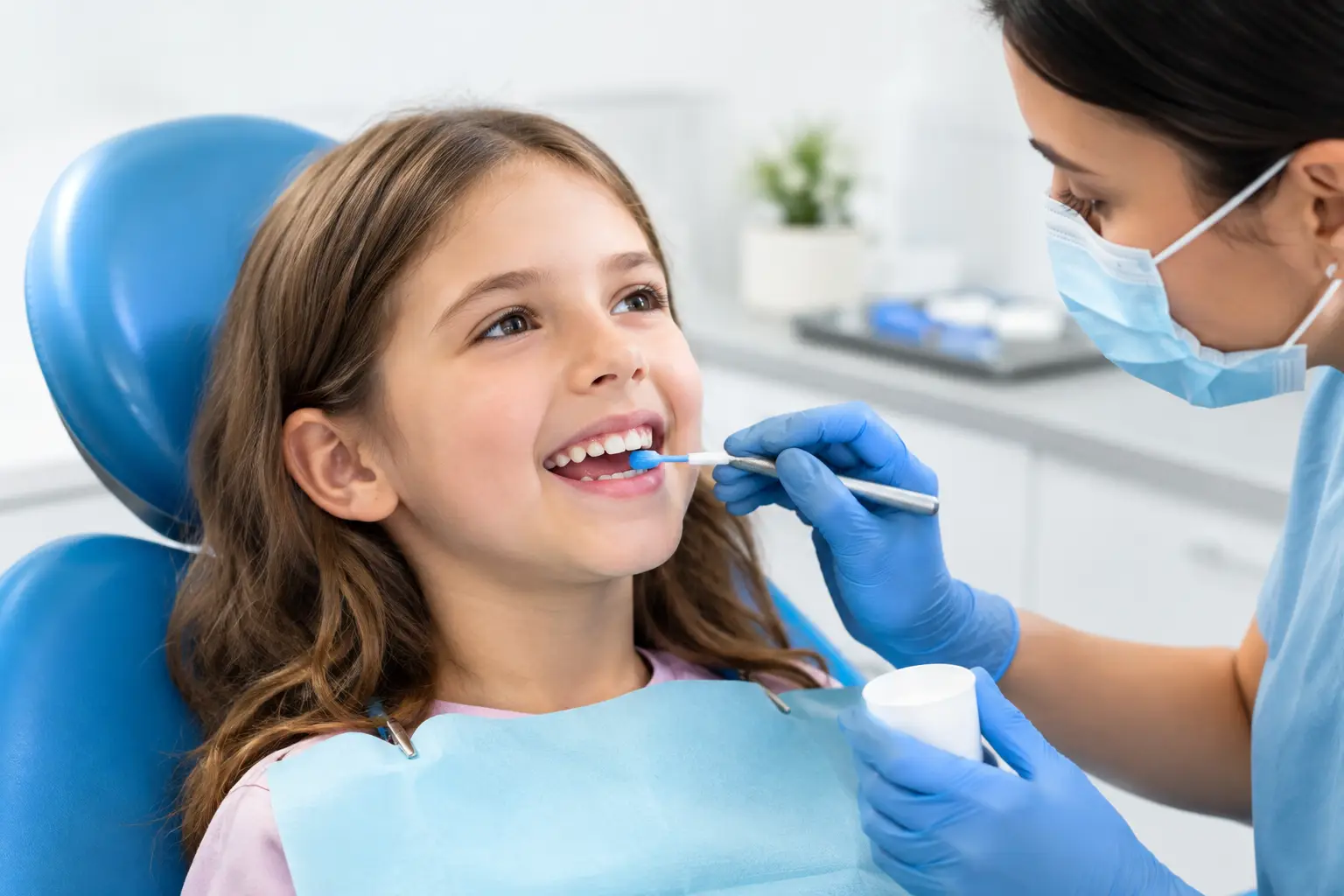

A racing heartbeat in the waiting room, a strong gag reflex, or a difficult past appointment can make even a routine procedure feel overwhelming. So, is dental sedation safe? For most appropriately selected patients, sedation can be a safe and helpful way to receive needed dental care when it is planned around their health history, delivered by trained professionals, and monitored carefully throughout the visit.
Sedation is not a one-size-fits-all solution, and it is not simply about making a patient fall asleep. The right option depends on the procedure, your level of anxiety, your medications, your medical history, and practical details such as whether a responsible adult can take you home. A conversation before treatment is what makes the experience more predictable and comfortable.
Is Dental Sedation Safe for Most Patients?
Dental sedation has a strong safety record when the level of sedation is appropriate for the patient and treatment, and when the dental team follows proper screening and monitoring procedures. Like any medication or medical treatment, however, it carries potential risks. Safety comes from identifying those risks early rather than assuming the same approach suits everyone.
Before recommending sedation, a dentist should review your overall health, including heart or lung conditions, sleep apnea, pregnancy, allergies, past reactions to anesthetic or sedative medications, and current prescriptions or supplements. This review also includes alcohol, cannabis, and other substance use, since these can affect how sedative medicines work.
For many people, the most common effects are temporary: drowsiness, dizziness, nausea, dry mouth, or patchy memory of the appointment. More serious complications, such as breathing difficulties or an unexpected reaction to a medication, are uncommon but are the reason a careful assessment, appropriate training, and patient monitoring matter so much.
Understanding the Main Types of Dental Sedation
The word “sedation” covers several approaches. Your dentist may recommend one method, or decide that local freezing and supportive comfort measures are the better fit.
Nitrous oxide
Nitrous oxide, sometimes called laughing gas, is breathed through a small mask placed over the nose. It can create a relaxed, light feeling while you remain awake and able to respond to the dental team. Its effects usually wear off quickly after the mask is removed, which can make it a practical option for patients with mild to moderate anxiety or a sensitive gag reflex.
Not everyone is a candidate. Nasal congestion can make it difficult to breathe comfortably through the mask, for example, and certain medical conditions may require another approach. Your dentist will discuss whether it is suitable for you.
Oral sedation
Oral sedation involves taking a prescribed medication before the appointment. It generally produces deeper relaxation than nitrous oxide, but patients are usually still conscious and able to communicate. Because drowsiness may last for hours, you will need a trusted adult to bring you to the clinic and take you home afterward.
The timing and dose are specific to the patient. Do not take an extra tablet because you still feel anxious, and do not combine the medication with alcohol, cannabis, sleep aids, or any non-approved medication. Follow the instructions you receive from your dental team exactly.
IV sedation and deeper sedation
For lengthy, complex, or particularly anxiety-provoking treatment, IV sedation or a deeper level of sedation may be considered. These options require enhanced training, equipment, monitoring, and recovery protocols. Patients are monitored closely during treatment, and a responsible escort home is required.
Deeper sedation is not automatically better. It may be appropriate for some procedures or patients, but it also involves more preparation and a longer recovery period. A dentist will weigh those trade-offs with you before making a recommendation.
What Makes Sedation Dentistry Safer?
A calm appointment begins well before you sit in the dental chair. The most meaningful safety measures happen during planning, when the team confirms that sedation is appropriate and prepares for your specific needs.
Your dentist will review your medical and dental history, medications, allergies, previous sedation experiences, and the treatment being planned. Be open about every prescription, over-the-counter medicine, vitamin, herbal product, and recreational substance you use. This information is confidential, and it helps prevent medication interactions or unexpected effects.
During sedation, the dental team monitors you according to the type and depth of sedation being used. This can include observing your responsiveness, breathing, pulse, blood pressure, and oxygen level. The office should also have the appropriate emergency equipment, medications, and trained personnel in place.
Local anesthetic is often still needed even when sedation is used. Sedation helps reduce fear and awareness; local anesthetic controls pain in the treatment area. Knowing the difference can help set realistic expectations.
Who May Need Extra Assessment?
Some patients need a more detailed review before sedation, and occasionally a referral or a different care setting may be the safest choice. This does not mean treatment is out of reach. It means the plan should account for the person, not just the procedure.
Extra consideration may be needed for people with obstructive sleep apnea, significant heart or lung disease, uncontrolled diabetes, severe obesity, kidney or liver disease, or a history of complications with anesthesia. Children, older adults, and people taking medications that affect breathing or alertness may also require especially careful dose planning.
Pregnancy is another reason to have a tailored discussion. Urgent dental treatment should not be ignored during pregnancy, but the timing of elective treatment and the medications used should be carefully considered with the patient’s healthcare providers when appropriate.
If you are feeling unwell on the day of the appointment, tell the office before leaving home. A cold, fever, chest symptoms, vomiting, or a recent change in medication can affect whether it is wise to proceed.
How to Prepare for a Sedation Appointment
Preparation reduces avoidable risk and makes recovery easier. Your dental team will give instructions based on the sedation method and your health history. If an instruction is unclear, call before the appointment rather than guessing.
For appointments involving oral, IV, or deeper sedation, patients are commonly asked to arrange an adult escort, wear comfortable clothing, and avoid driving or operating machinery for the rest of the day. Depending on the method, you may also receive instructions about eating and drinking beforehand. Follow those instructions closely, even if you have had sedation elsewhere in the past.
Bring an up-to-date list of medications and make sure your escort can stay available after your appointment. Plan for a quiet day at home. Children receiving sedation need close adult supervision after treatment, as sleepiness and unsteadiness can last longer than expected.
Do not use alcohol, cannabis, recreational drugs, or unapproved sedatives before or after your appointment. These substances can amplify drowsiness and affect breathing. You should also avoid making important decisions, returning to work that requires concentration, or signing legal documents while the medication is still affecting you.
Questions Worth Asking Before You Agree
A good sedation conversation should leave you feeling informed, not rushed. Ask what type of sedation is being recommended, why it fits your treatment, how you will be monitored, and what recovery will look like. You can also ask about alternatives, including shorter appointments, breaks during treatment, topical numbing gel, music or headphones, and nitrous oxide.
If cost or coverage is a concern, ask for a clear explanation before treatment. Sedation may not be covered in the same way as the dental procedure itself, depending on your private insurance plan or other available coverage. Clear information ahead of time helps families make decisions without last-minute surprises.
When to Call After Sedation
Mild sleepiness is expected after many forms of sedation, but symptoms that feel severe, persistent, or worrying deserve prompt attention. Contact the dental office or seek urgent medical care if there is difficulty breathing, chest pain, swelling, repeated vomiting, fainting, confusion that is getting worse, or an allergic-type reaction such as hives or swelling of the face and throat.
For most patients, recovery is uncomplicated: rest, follow the post-treatment instructions, drink fluids when permitted, and let the effects wear off. If pain, bleeding, or swelling relates to the dental procedure itself, the office can explain what is expected and when you should be seen.
Dental anxiety should never force you to postpone the care that protects your smile, comfort, and overall wellbeing. At Prime Smile Dental Clinic, a conversation about your concerns can help create a treatment plan that feels manageable, from a child’s first visit to a more involved restorative appointment. The safest path is the one built around your health, your comfort, and clear instructions you can follow with confidence.